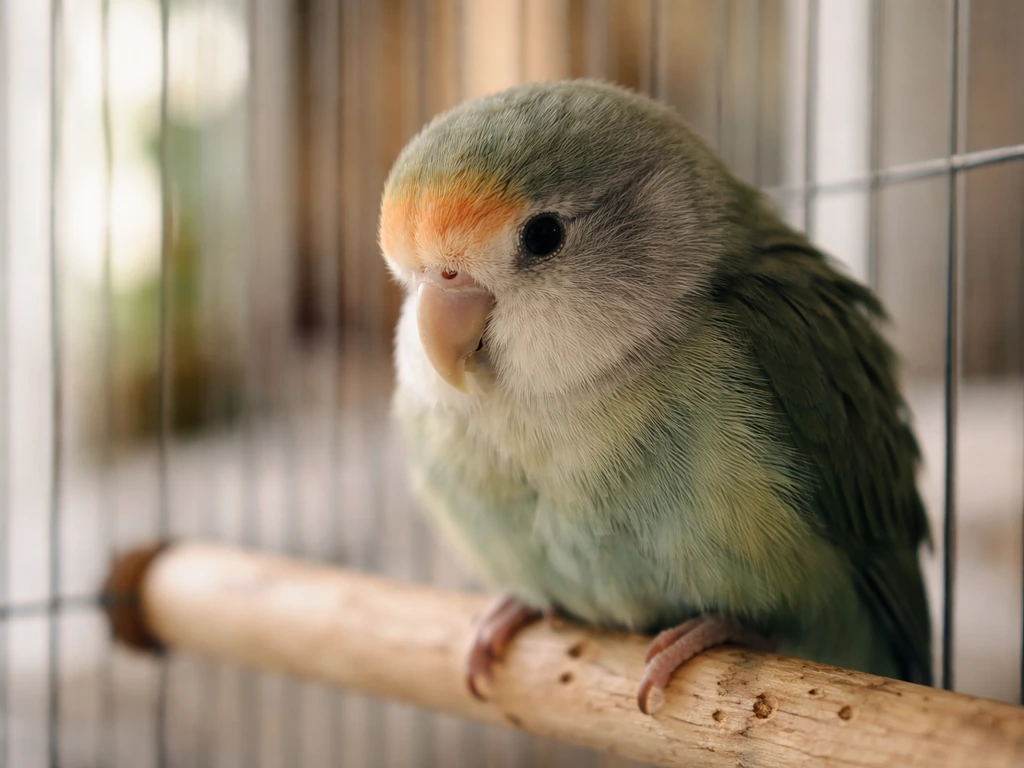
If your bird won't stop chirping, it's usually one of a handful of things: they want your attention, something in their environment is off, they're bored, or they're in a hormonal phase. In most cases it's completely normal communication, not a crisis. But constant, frantic, or unusual chirping paired with other symptoms like labored breathing, fluffed feathers, or changes in droppings is a different story and means you should contact an avian vet today.
Why Won’t My Bird Stop Chirping? Causes and Fast Fixes

Marcus Chen
14 May 2026
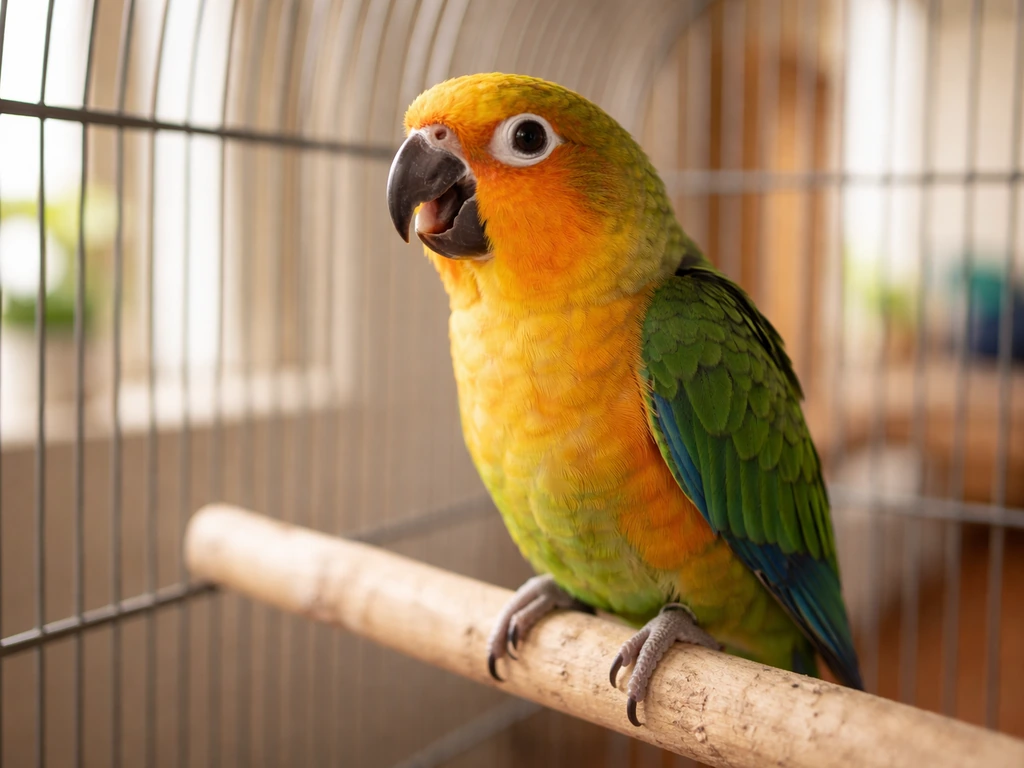
First check: is this normal chirping or a stress signal?
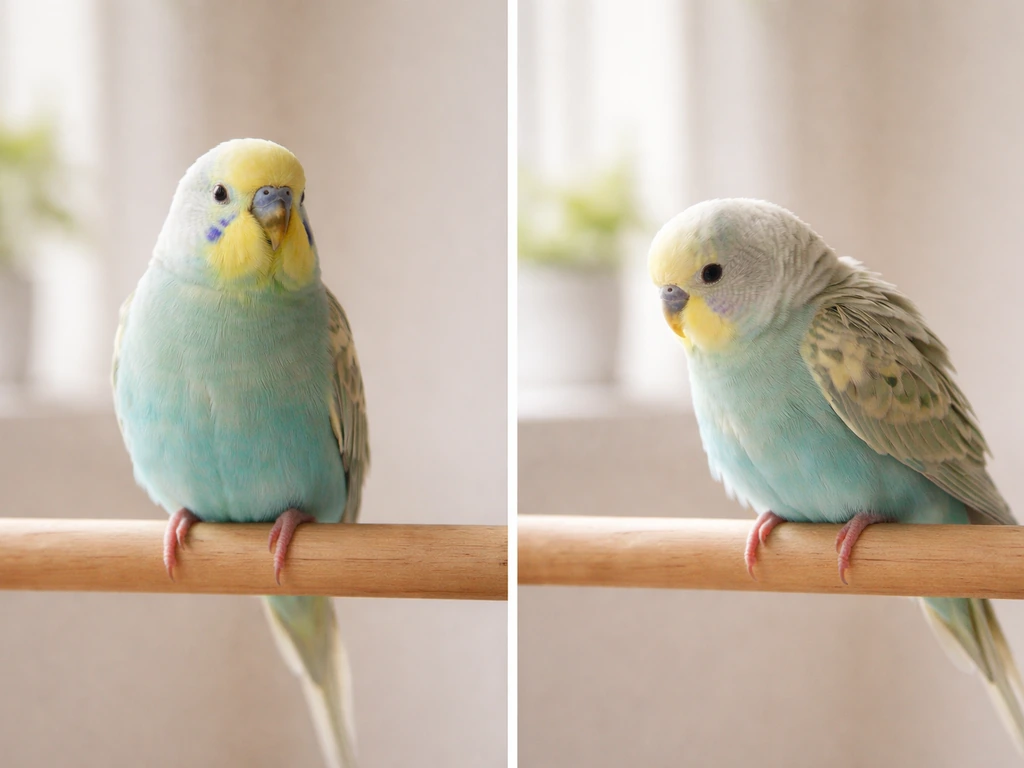
Before you do anything else, take two minutes to actually watch your bird. Not just hear it, but observe it. Is the bird alert, bright-eyed, moving around, and engaging with its surroundings? Chirping from an active, curious bird who perks up when you enter the room is almost always normal. That's your bird communicating, and it's a healthy sign.
The chirping becomes a red flag when it sounds different from the bird's usual voice, when it's frantic or continuous without breaks, or when it comes with physical signs like puffed-up feathers, sitting low on the perch, not eating, or labored breathing. Excessive vocalization, including repetitive chirps and alarm calls, is recognized as a classic sign of stress in pet birds. The key is reading the full picture, not just the noise.
Also think about whether this is a change from the bird's normal pattern. A bird that's always been chatty is less of a concern than one that has suddenly ramped up the volume and frequency. Sudden changes in vocalization almost always mean something has shifted, either in the environment, the bird's social world, or its health. If you notice your bird is suddenly very quiet instead of chirping, the same checklist can help you figure out whether it is behavior, stress, or a health issue Sudden changes in vocalization.
Why birds chirp nonstop: the most common reasons
Attention and contact calling
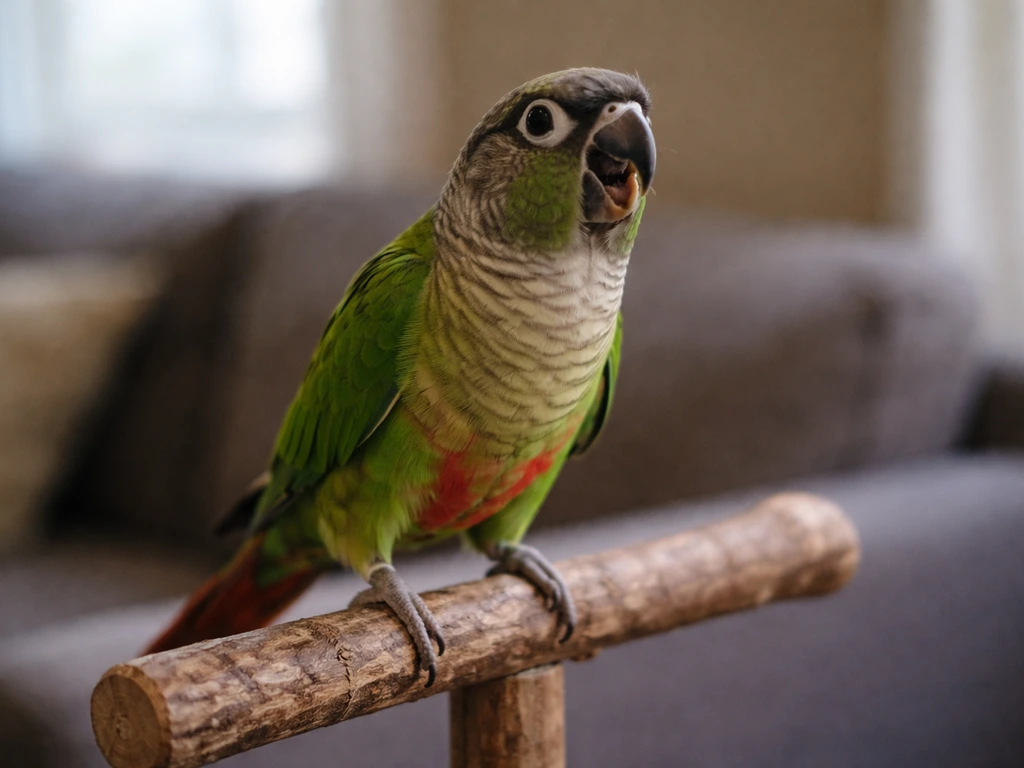
This is the number one reason. Birds are flock animals. In the wild, they use constant vocal contact to stay connected to their group. In your home, you are the flock.
If your bird can hear you but can't see you, expect chirping. If you're searching for the answer to why won't my bird shut up, start by deciding whether the chirping is normal contact calling or a stress or health signal. It's asking, 'Are you still there? ' Many birds will stop the moment you walk into view or respond with a whistle or word.
If this sounds like your bird, the fix is simple: increase visual contact, move the cage to a room where you spend more time, or make a habit of calling back.
Boredom and lack of stimulation
A bird with nothing to do will vocalize out of frustration. This is especially common in intelligent species like cockatiels, conures, and parrots. If the cage is sparse, if the toys never change, or if your bird spends most of the day alone with no foraging opportunities, expect noise. This kind of chirping usually gets louder later in the day when the bird has had hours of nothing going on.
Routine disruptions
Birds thrive on predictability. A new piece of furniture, a change in your work schedule, a new pet in the house, or even rearranging the living room can make a bird uneasy and vocal. Think back over the past week or two: has anything changed? Disrupted sleep schedules are a particularly common trigger. Birds need roughly 10 to 12 hours of darkness and quiet to sleep properly. If light levels or noise are keeping your bird up at night, daytime chirping often follows.
Hormonal phases
Seasonal hormonal changes, especially in spring, can send even the quietest bird into overdrive. During hormonal periods, birds often become louder, more territorial, and more demanding. This phase usually passes on its own, but environmental triggers like extended light exposure and lots of physical contact can prolong it.
Environmental discomfort
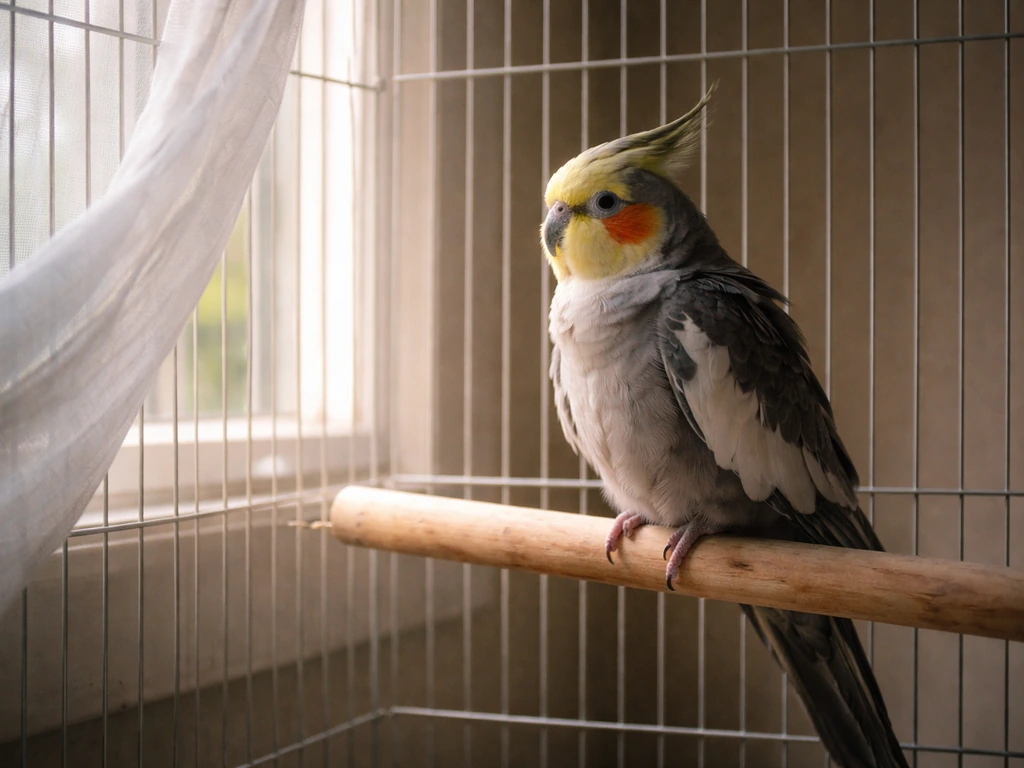
Temperature, drafts, humidity, and lighting all affect how a bird feels. A bird that's too cold, too warm, or sitting in a drafty spot will vocalize its discomfort. Cockatiels, for example, are comfortable in the range of about 65 to 85 degrees Fahrenheit. Sudden drops or spikes outside that range are stressful. Cage size also matters: a bird that doesn't have enough room to move, climb, and spread its wings is a stressed bird, and stress vocalization follows.
Health red flags: when chirping means something is wrong
Sometimes constant chirping is a pain response. Lafeber (Pet Birds by Lafeber Co.) notes that a cockatiel “alarm call” is an attention signal and may come with body-feather positions, so you can interpret the vocalization better when you watch posture too Cockatiel Sounds Explained. Birds instinctively hide illness, but when discomfort becomes significant, they may vocalize it. The tricky part is that birds are good at masking how unwell they are until things are fairly advanced, so any chirping that comes alongside other symptoms deserves serious attention.
Watch closely for these warning signs paired with the chirping:
- Open-mouth breathing, tail-bobbing with each breath, or any audible clicking or wheezing sounds (these suggest a respiratory problem)
- Fluffed feathers, especially when it's not cold, combined with sitting low on the perch or on the cage floor
- Loss of appetite or changes in droppings (color, consistency, or volume)
- Discharge from the nostrils or eyes
- Unusual posture, head tilting, or loss of coordination (possible neurological issue)
- Sudden onset of repetitive, compulsive chirping that doesn't match any environmental trigger
Respiratory issues in particular can cause birds to vocalize differently or more frequently. If the chirping sounds strained, raspy, or is accompanied by any of the breathing signs above, that's an urgent situation. Don't wait on that one.
What to do today: step-by-step troubleshooting
- Do a quick physical check. Look at your bird right now. Is it alert, moving, eating, and breathing normally? If yes, you're likely dealing with a behavioral issue. If anything looks off physically, skip to calling your avian vet.
- Check the environment. Verify the cage temperature is in a comfortable range. Look for drafts from vents, windows, or fans. Make sure the cage is appropriately sized for your bird to move freely and isn't overly cluttered or overly bare.
- Review the light schedule. Is your bird getting 10 to 12 hours of dark, quiet sleep? If not, cover the cage at a consistent time each night and reduce ambient noise. Do this for a few nights and see if daytime chirping decreases.
- Assess social contact. Has your schedule changed? Are you spending less time with the bird? Move the cage to a room where you are, respond when it calls, and add a short out-of-cage interaction session if you haven't been doing that.
- Add enrichment immediately. Rotate in a new toy, create a simple foraging activity (wrap a treat in paper or tuck it in a foraging toy), or rearrange perches. Even small novelty can reduce boredom chirping quickly.
- Identify any recent changes. New pet, new furniture, a visitor, a change in your schedule, or even a new smell in the house. If you can identify the trigger, address it directly or give the bird time to adjust while maintaining extra reassurance.
- Reduce hormonal triggers if applicable. If it's spring and the chirping is accompanied by nesting behavior, limit petting to the head and neck only, reduce light exposure to under 12 hours per day, and avoid offering nesting materials.
Tracking the pattern: behavior vs. medical
If the chirping doesn't ease up within a day or two of environmental adjustments, start keeping a simple log. You don't need anything fancy, just a note on your phone. Write down when the chirping starts, how long it lasts, what the bird was doing beforehand, and anything else you noticed. This serves two purposes: it helps you spot a behavioral pattern (always after you leave the room, always in the late afternoon), and it gives an avian vet useful information if you need to call.
Track these things specifically:
- Time of day the chirping is most intense
- Duration and whether it ever fully stops
- Body language during chirping (feathers flat or puffed, posture, eye brightness)
- Appetite: is the bird eating its normal amount?
- Droppings: any change in color, texture, or frequency?
- Breathing: any visible effort, tail movement, or sounds?
- Any obvious trigger just before it starts (you leaving, a sound outside, another pet)
A behavioral pattern usually shows clear triggers and resolves when those triggers are addressed. A health issue tends to be more consistent throughout the day, often gets worse over time, and comes with at least one physical symptom. If after three to five days of monitoring you see the chirping intensifying or notice any physical change, that's your cue to call the vet. Don't hold off hoping it resolves on its own.
When to call an avian vet
Call an avian vet the same day if you see open-mouth breathing, tail-bobbing, any respiratory sounds, the bird sitting on the floor of the cage, complete refusal to eat, or any neurological signs like head tilting or loss of balance. These are not wait-and-see situations with birds. Birds deteriorate quickly once illness becomes visible because they mask symptoms for so long before that point. A bird that looks 'a little off' may actually be quite sick.
It's also worth a vet call if the chirping has been going on for more than a week with no clear behavioral trigger and no improvement after environmental adjustments. Some health issues are subtle early on and only show up in a physical exam or blood work.
Preventing repeat chirping issues
Once you've sorted out the current episode, here's how to reduce the chances of it happening again. Most repeat chirping problems come down to four areas: enrichment, routine, environment, and handling.
| Area | What to do | Why it helps |
|---|---|---|
| Enrichment | Rotate toys weekly, add foraging activities, provide different textures and materials | Reduces boredom and gives the bird something to do besides vocalize |
| Routine | Feed, cover, and interact at the same times each day | Predictability reduces anxiety-driven chirping |
| Environment | Maintain stable temperature (65-85°F for most species), keep cage away from drafts, ensure 10-12 hours of dark/quiet sleep | Addresses discomfort triggers before they cause problems |
| Handling | Keep daily out-of-cage time consistent, limit hormonal petting (body stroking) especially in spring | Meets social needs without ramping up hormonal behavior |
Daily observation is honestly the most underrated preventive tool. Spending even five minutes a day really watching your bird, not just hearing it in the background, lets you catch small shifts early. A bird that starts chirping a bit more, eating a bit less, or sitting a bit lower on the perch is telling you something before it becomes a bigger issue. The sooner you notice, the easier it is to address.
It's worth noting that the opposite problem, a bird that goes suddenly quiet, can be just as telling. If you're also noticing your bird has become unusually silent alongside occasional bursts of chirping, that pattern shift deserves the same careful attention. If you are seeing the opposite, such as your bird becoming unusually quiet all of a sudden, treat it like a sign to investigate stress, routine changes, or possible health issues unusually silent. Vocal changes in either direction are your bird's primary way of communicating that something has changed.
FAQ
How can I tell if my bird is chirping for attention versus stress?
Attention chirping usually changes when you respond, the bird stays alert, and the sound is similar to its normal voice. Stress chirping is more likely to be frantic or repetitive, and it often comes with posture changes like fluffed feathers, sitting low, or fewer normal activities.
My bird only chirps when I leave the room. Is that normal?
Often yes. Many flock species call for visual contact, especially if they can hear you but cannot see you. Try keeping the cage in a line of sight from your usual spots, or move your bird to a room where you spend time, then see if the pattern settles.
What should I do if the chirping starts right after I cover the cage at night?
Recheck the cover fit and lighting. Covers that let light leak through, or that trap heat, drafts, or noise from a hallway or TV, can disrupt sleep and trigger daytime chirping. Aim for a stable, dark, quiet sleep window of about 10 to 12 hours.
Can loud chirping be caused by another pet or sound in the house?
Yes. Reflections, mirror placement, constant movement, or a cat or dog reacting near the cage can trigger alarm-style calls. If the chirping ramps up during certain times of day, look for patterns like feeding, cleaning, vacuum use, or when another animal is present.
How long should I wait before calling an avian vet?
If there are any breathing signs, open-mouth breathing, repeated tail-bobbing, inability to eat, or unusual behavior like loss of balance, call the same day. If there is no clear environmental trigger, and it persists beyond a week or fails to improve after 1 to 2 days of adjustments, schedule a visit.
Is it safe to use a fan, air conditioner, or open window to control temperature?
You can, but avoid direct drafts on the cage. Birds can vocalize when uncomfortable even if the room feels “fine” to you. Place airflow so it circulates without blowing across the bird, and monitor whether chirping increases when the system runs.
My bird chirps more in the late afternoon. What’s a likely cause?
Late-day vocalization is commonly linked to boredom or unmet routine needs, such as no foraging or limited stimulation during the hours before. Adding supervised chew toys, rotating toy types, and offering foraging-style feeding later in the day can reduce frustration-related chirping.
Can a new cage, furniture, or rearranging the room trigger chirping?
Yes. Birds are sensitive to predictability and territorial cues. After a change, expect “recalibration” chirping, but it should gradually ease. If it keeps escalating or you see physical signs, treat it as more than just environmental adjustment.
Do hormonal seasons always mean the chirping will pass on its own?
Often it does, but extended light exposure and frequent physical contact can prolong hormonal behavior. Reduce unnecessary handling, keep the light schedule consistent, and avoid encouraging nesting-like behaviors when your bird starts showing hormonal cues.
Could chirping be pain, even if my bird still seems active?
Yes. Birds can mask illness early. If chirping seems different from normal and you notice subtle changes like reduced eating, sitting differently, or altered droppings, consider it a pain or discomfort possibility and monitor closely for progression or physical symptoms.
What should I write in my chirping log, and for how many days?
Track start time, duration, what your bird was doing before chirping (eating, preening, resting), and any events nearby (you entering view, visitors, cleaning, other pets). Monitor for about 3 to 5 days to distinguish a clear trigger pattern from a health-related pattern.
Will lowering noise or turning off the TV stop the chirping?
Sometimes, especially if disrupted sleep or general household noise is stressing the bird. However, if the chirping is triggered by separation or environment mismatch, turning down background noise may not fully solve it. Combine noise control with changes to visual access and daily routine.
Next Article
Why Is My Bird Making Whimpering Noises? What to Check
Find reasons for whimpering bird noises, quick home checks, and red flags for urgent vet care plus tracking tips.