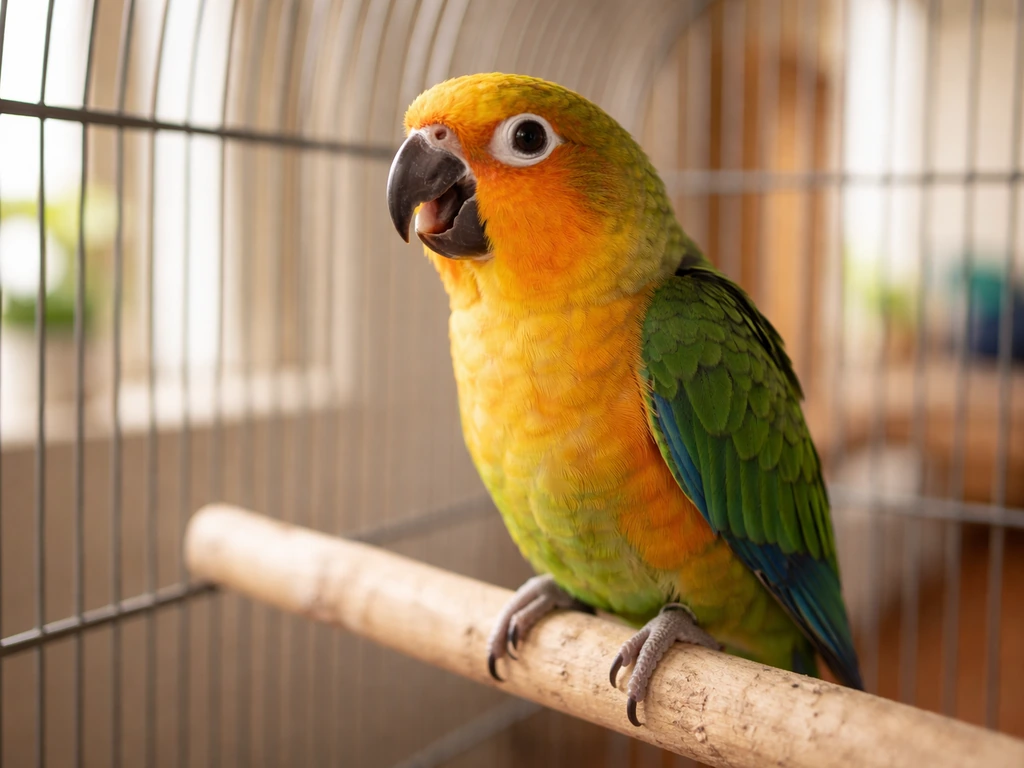
A quiet bird is not automatically a sick bird, but it is always worth paying attention to. Most of the time, silence has a perfectly normal explanation: your bird is tired, molting, adjusting to something new, or simply has a quieter personality than you expected. The real question is whether the quiet comes alone or arrives alongside other changes like fluffed feathers, labored breathing, sitting on the cage floor, or skipping meals. That combination is when you need to act fast.
Why Is My Bird Not Making Noise? Causes and What to Do

Marcus Chen
23 May 2026
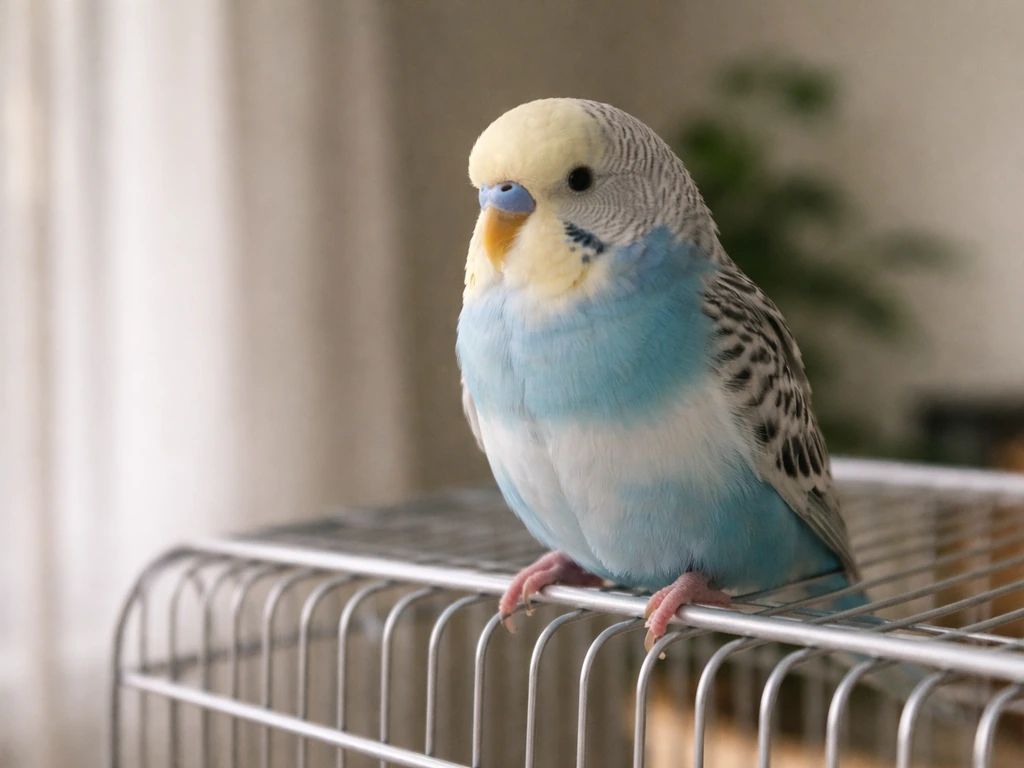
What "not making noise" actually means (baseline vs sudden quiet)
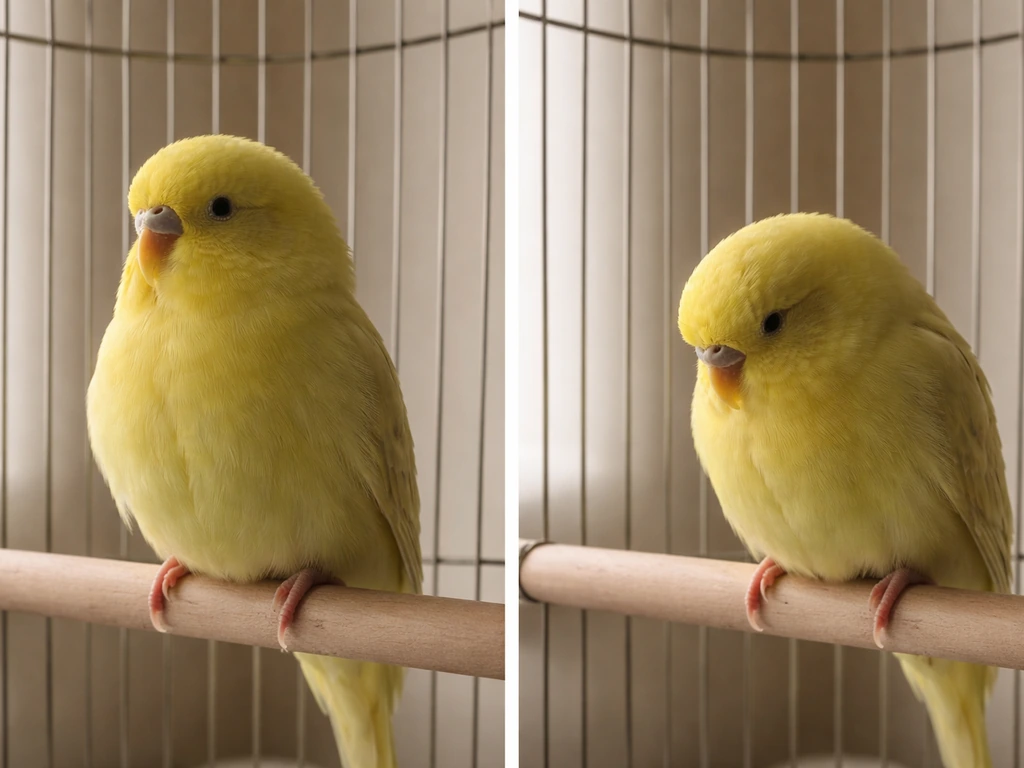
Before you worry, figure out which situation you are in. There is a big difference between a bird that has always been on the quieter side and a bird that was chatty yesterday and silent today. The first is a personality and environment question. The second is a health and stress question.
Your bird's "baseline" is their normal daily pattern: how often they chirp, when they are most active vocally, and how they typically respond when you walk into the room. Budgies and cockatiels, for example, tend to have a strong morning vocalization peak, taper off during midday, and get quieter again toward evening. If your bird is simply quiet during its normal rest window, that is baseline behavior, not a warning sign.
A sudden shift is what matters most. If a bird that normally greets you with chatter is sitting quietly, not responding to your voice, and seems uninterested in food or interaction, that is a meaningful change from baseline. That shift, especially paired with any physical sign, is what this article is really about.
(If your bird is the opposite problem, there are separate discussions on birds that won't stop chirping or suddenly became much louder than usual, which are their own set of causes. If your bird is the opposite problem, there are separate discussions on birds that won't stop chirping or suddenly became much louder than usual, which are their own set of causes.
If you are dealing with the specific problem of a bird that will not stop making noise, the causes and solutions can be very different from a bird that suddenly gets quiet birds that won't stop chirping. )
Normal reasons birds go quiet
The good news is that most reasons for a quiet bird are completely benign. Here are the ones to consider first.
Sleep and light cycles
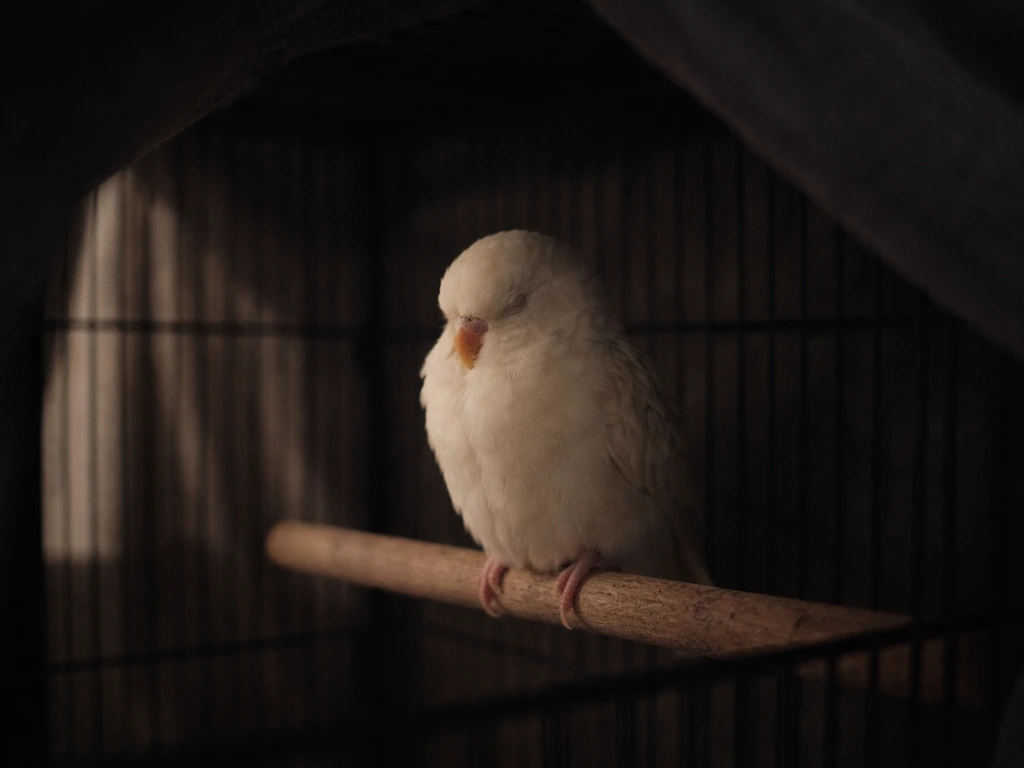
Birds need 10 to 12 hours of uninterrupted sleep in a dark, quiet space. Some individuals, especially budgies, benefit from closer to 12 to 14 hours. If your bird is not getting enough darkness or is being disturbed at night by TV light, street noise, or household activity, they will be tired and much less vocal during the day. Check that their sleeping area is genuinely dark and quiet overnight, and make sure they are not being woken up early.
Molting
Molting takes a significant amount of energy. During a molt, many birds become quieter, less playful, and more withdrawn. This is normal and temporary. If you can see pin feathers coming in and your bird is otherwise eating well and behaving normally aside from being quieter, molting is likely the explanation.
Stress, adjustment, and environmental changes
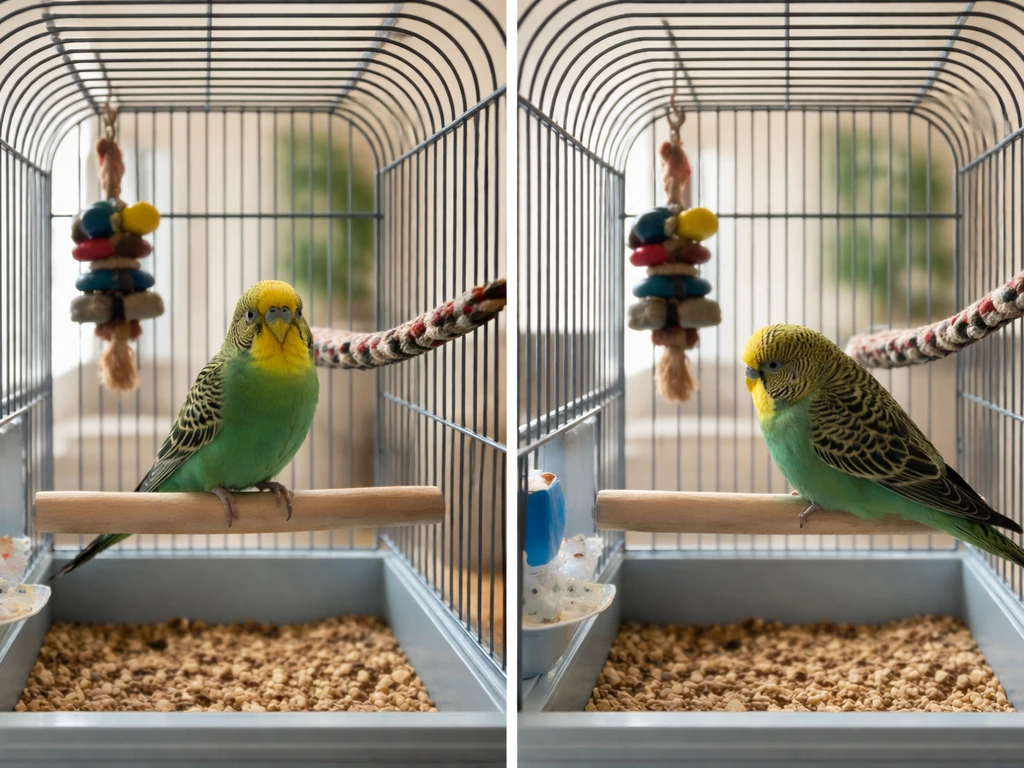
A new home, a rearranged cage, a new household member, a schedule change, or even a piece of furniture moved nearby can make a bird go quiet. Birds are creatures of habit and any disruption to their routine or environment can temporarily suppress vocalization. This kind of quiet usually resolves within a few days as the bird adjusts.
Seasonal and hormonal changes
Breeding season can shift a bird's vocal behavior in either direction, quieter or louder, depending on the individual. Some birds become more withdrawn and less social during hormonal periods. Light cycle shifts between seasons also affect behavior, since birds are highly sensitive to changes in daily light duration.
Personality
Some birds are just quieter than others. A finch is naturally much less loud than a cockatoo. Within the same species, individual birds vary widely. If you recently got a new bird and they are quiet, they may simply need more time to feel safe before they start vocalizing freely. Give a newly rehomed bird at least a few weeks before drawing any conclusions about their "normal" vocal level.
Quick at-home checklist to rule out sickness
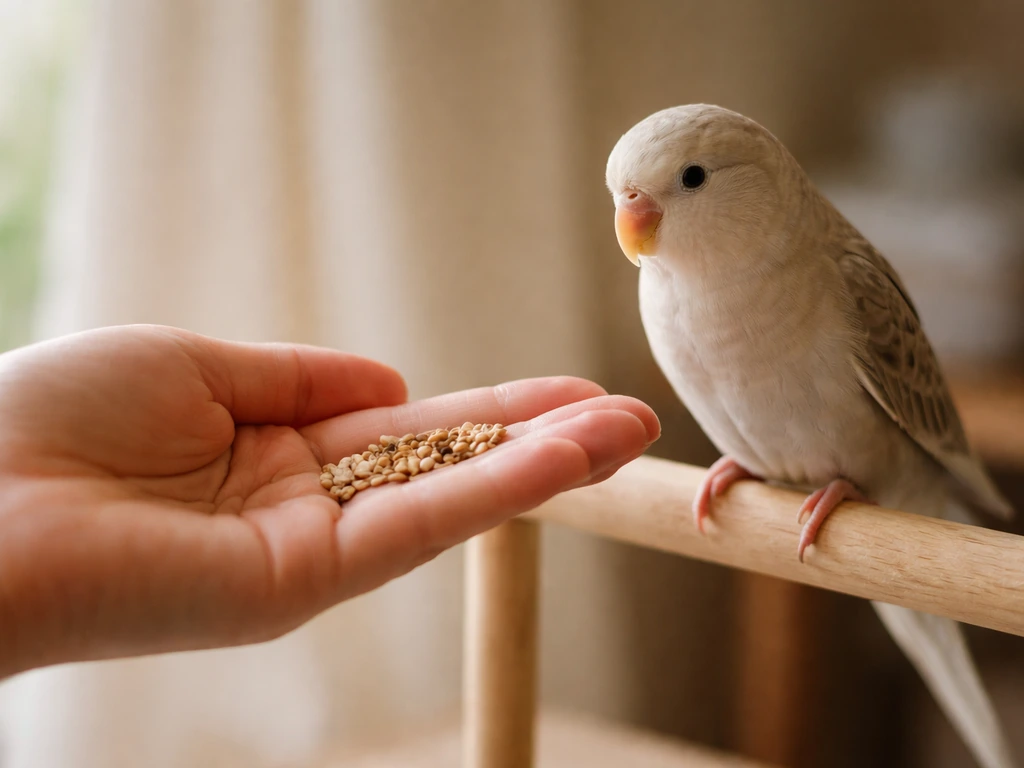
Before you call a vet or spiral into worry, do a calm, systematic check of your bird right now. If your bird suddenly got very quiet out of nowhere, this is exactly the kind of situation where it helps to use a step-by-step check to decide what to do next why is my bird so quiet all of a sudden. You are looking at several wellness indicators at once. Move slowly and speak quietly so you do not stress the bird further.
- Appetite: Has your bird eaten today? Is food being cracked open (for seed eaters) or bitten into? Skipped meals are always significant.
- Droppings: Look at the cage floor. Normal droppings have a dark green or brown solid part, a white urate portion, and a small liquid component. Red, yellow, tarry black, pale, or very watery droppings are warning signs.
- Breathing: Watch the chest and tail for 30 seconds without disturbing the bird. Breathing should be smooth, quiet, and invisible unless the bird is moving around. Tail bobbing up and down with each breath, open-mouth breathing at rest, wheezing, or visible chest heaving are all red flags.
- Posture: A healthy bird sits upright and alert on its perch. A sick bird often sits fluffed up, hunched, or low on the perch, and may be found on the cage floor.
- Eyes and nares (nostrils): Eyes should be bright and open. Nares should be clean and dry. Discharge, crustiness, or swelling around either is a warning sign.
- Feather condition: Fluffed feathers at rest (not during a nap) can indicate the bird is trying to retain body heat, which often means it is cold, unwell, or in pain.
- Responsiveness: Does the bird track movement, respond to your voice, or react to something interesting near the cage? A bird that stares blankly or barely responds is not just quiet, it is lethargic.
- Weight: If you handle your bird regularly, hold them briefly. A bird that feels lighter than usual, with a prominent keel bone (the ridge in the center of the chest), may have been losing weight.
If your bird passes all of these checks, the quiet is almost certainly behavioral or environmental. If any of these checks raise a concern, keep reading.
Health problems that can cause silence
Birds instinctively hide illness. Quarantine guidance also emphasizes that birds may hide illness and that observation alone may miss problems until they progress, so avian-appropriate quarantine and observation practices should be used before reintroducing birds. In the wild, showing weakness attracts predators, so they are wired to mask symptoms for as long as possible. By the time a bird looks obviously sick, the problem has often been building for days. Silence combined with any of the following is a reason to contact an avian vet the same day.
Respiratory illness
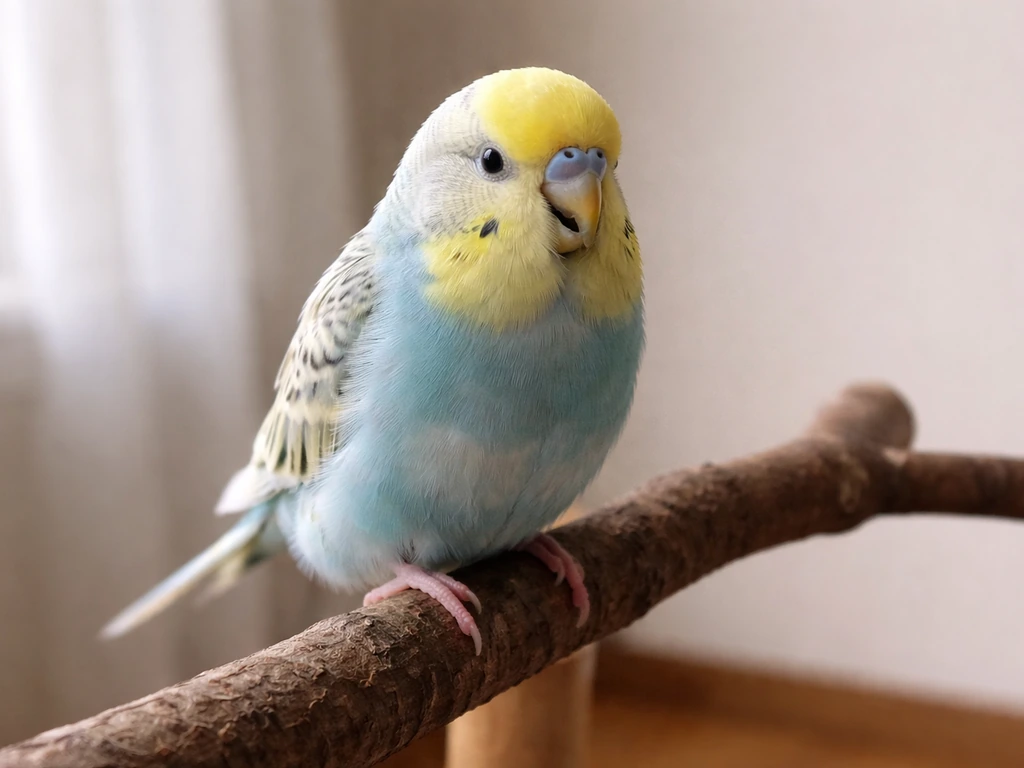
Respiratory disease is one of the most common reasons a bird goes quiet. Infections, air sac disease, bacterial illness (including chlamydiosis, sometimes called parrot fever), and parasites like air sac mites in finches and canaries can all affect a bird's ability or willingness to vocalize. Watch for tail bobbing with each breath, open-mouth breathing at rest, exaggerated chest movement, neck stretching, wheezing, or any change in the quality of the bird's voice. Open-mouth breathing at rest is considered a very serious sign and warrants same-day veterinary attention.
Pain or injury
A bird in pain goes quiet. If your bird had any incident recently, even something seemingly minor like getting a foot caught, being startled into the cage bars, or being stepped on, check them over carefully. Look for swelling, asymmetry, or a limb held at an odd angle. A bird that favors one foot, holds a wing oddly, or will not bear weight normally may be injured.
Gastrointestinal illness
Digestive problems often show up first as appetite loss and dropping changes. Droppings that are suddenly very watery, unusually colored (yellow-green, red, black), or dramatically smaller than normal can indicate GI illness. A bird with a GI problem typically becomes quieter, less active, and less interested in food all at once.
Temperature stress (overheating or cold)
Both overheating and being too cold suppress vocal behavior. A cold bird will fluff up and may shiver. An overheated bird may hold wings slightly away from the body, breathe with an open mouth, and look lethargic. Birds do best at consistent temperatures, generally between 65 and 85 degrees Fahrenheit, away from drafts, air conditioning vents, and direct hot sunlight. Check where the cage is sitting before assuming illness.
Hormonal and reproductive issues
Female birds in particular can become very quiet when dealing with reproductive issues like egg binding, which is a potentially life-threatening condition. Signs include straining, sitting puffed up on the cage floor, labored breathing, and a swollen abdomen. This is an emergency. Male birds can also become withdrawn and quiet during intense hormonal periods, though this is less often a medical emergency.
What to do today: step-by-step troubleshooting
- Do the full at-home checklist described above. Observe from a distance first so the bird behaves naturally, then move in slowly for a closer look.
- Check the environment: temperature, drafts, light level, noise level, and any recent changes to the room or household routine. Adjust anything obviously wrong before assuming illness.
- Make sure food and fresh water are accessible and that the bird has actually been eating and drinking. If food looks untouched since yesterday, that is significant.
- Remove potential stressors: cover the cage partially if the bird seems nervous, reduce loud TV or music nearby, and give the bird some low-key time without people crowding the cage.
- Verify the sleep situation. If the bird has been sleep-deprived due to a light left on at night or household noise after dark, give them a full 12-hour dark quiet period tonight and see whether vocal behavior improves tomorrow.
- If the bird is slightly cold (fluffed but otherwise eating and breathing normally), move the cage to a warmer spot away from drafts. Use a cage cover at night. Do not use heat lamps without veterinary guidance.
- Write down what you are observing: when the quiet started, what changed around the same time, what the droppings look like, whether appetite is normal. This information is exactly what an avian vet will ask for.
- If the bird passes all wellness checks and the quiet seems tied to a specific environmental change, monitor closely for 24 to 48 hours while you address the trigger.
- If any health concern from the checklist is present, skip further home troubleshooting and contact an avian vet today.
When to call an avian vet (and how urgent is it?)
Not all vet situations have the same urgency. Here is a clear breakdown of what warrants emergency care right now versus a same-day call versus a scheduled appointment.
| What you're seeing | What to do |
|---|---|
| Open-mouth breathing at rest, tail bobbing with each breath, wheezing, blue or pale tissue color | Emergency: get to an avian vet immediately |
| Collapse, seizures, inability to stand or perch, suspected toxin exposure, uncontrolled bleeding, severe trauma | Emergency: get to an avian vet immediately |
| Straining on the cage floor with a swollen abdomen (possible egg binding) | Emergency: get to an avian vet immediately |
| Quiet + fluffed posture + not eating today + lethargic or unresponsive | Same-day veterinary call |
| Quiet + abnormal droppings (color or consistency) for more than one day | Same-day veterinary call |
| Quiet + nasal or eye discharge, visible swelling, suspected injury | Same-day veterinary call |
| Quiet but eating, droppings normal, alert, breathing normally, recent environmental change | Monitor for 24 to 48 hours and address environmental triggers; call the vet if no improvement |
| Quiet during molt, after a move, new household schedule, or recently rehomed bird with no other symptoms | Monitor; give the bird time to adjust; consult a vet if quiet persists beyond 2 to 3 weeks with no improvement |
When you do call a vet, be ready to describe your bird's species, age, when the quiet started, what the droppings look like, whether the bird is eating and drinking, any recent changes at home, and what the breathing looks like. That information helps the vet triage quickly and tell you how fast to come in.
One last thing worth knowing: birds hide illness well, and waiting to see if something resolves on its own is one of the most common mistakes bird owners make. If your gut says something is wrong, trust it and call. An avian vet would rather reassure you that everything is fine than see a bird that waited too long. The checklist and the urgency table above are starting points, not substitutes for professional evaluation when something feels off.
FAQ
How can I tell if my bird is just having a normal quiet period versus something wrong?
A normal “quiet” usually lines up with their typical daily rest window, and they still eat, interact at least a little when approached, and breathe comfortably. If the quiet lasts past the usual rest time, or they stop responding to you and food, treat it as a change from baseline and reassess for illness or stress.
What if my bird goes quiet only after something changes at home, how do I decide if it is behavioral?
Try to identify whether the silence is tied to a specific trigger. For example, if they get quiet right after a new cage placement, a new scent in the room, loud music, or frequent household commotion, it often points to stress or sensory overload. If the quiet is unrelated to any trigger and comes with physical signs, prioritize a same-day avian vet call.
Can lighting at night really make my bird less vocal the next day?
Do a brightness and light-cycle check. If their sleeping cover or room lighting allows early morning light, porch lights, TVs, or phone screens to spill into the sleeping area, they may not get uninterrupted dark. Even one extra hour of light can reduce daily vocalization in many birds.
My bird is molting and quieter, when is molting no longer the likely explanation?
Molting can reduce singing, but it should not come with breathing changes, tail bobbing, open-mouth breathing at rest, droppings changes that are sudden and dramatic, or refusal to eat. If you see those “wellness indicators” shifting, do not assume it is just molting and contact an avian vet.
Is it normal for a bird to be quiet, even if they still eat and move normally?
If the bird will not step up, won’t take favorite treats, or ignores normal greeting and foraging, that is more concerning than just “less chatter.” Also note drinking changes and activity level. Appetite loss plus silence is a stronger red flag than silence alone.
What breathing signs mean I should treat a quiet bird as an emergency?
Look closely at breathing at rest. Tail bobbing with breaths, wheezing, exaggerated chest movement, neck stretching, or any open-mouth breathing while resting are urgent. Open-mouth breathing at rest is a same-day emergency for many birds, because it can indicate significant respiratory distress.
How do I check for temperature problems before assuming illness?
Warmth and correct placement matter. Keep the cage away from drafts, AC vents, direct sun, and cold exterior walls. If your home is cooler or the cage is near a draft, a bird may stay fluffed and quiet. If the bird is overheated, it may hold wings slightly away from the body and look lethargic, sometimes with open-mouth breathing.
My bird was fine yesterday, then went quiet after something happened. How should I check for injury?
Sudden silence after an incident can be pain, even without an obvious bruise. Check for swelling, asymmetry, limping, a foot held up, a wing held differently, or reluctance to bear weight. If you see any abnormal posture or movement, contact an avian vet the same day for pain and injury concerns.
If droppings look off, does that make “not making noise” more urgent?
Droppings that are suddenly much smaller, very watery, or oddly colored (especially red, black, yellow-green) can indicate GI or systemic illness and often comes alongside reduced appetite and activity. If droppings change plus silence is present, it is safer to call an avian vet rather than wait.
My new bird is quiet, how long should I wait before I worry about health?
If your bird is newly rehomed, their silence can be adaptation or fear, but they should still show normal appetite and comfort behaviors (steady breathing, normal perching posture, consistent drinking). If they are also not eating or seem unresponsive, treat it as possible illness rather than “just settling in.”
What reproductive signs mean I should seek urgent care for a female bird that is quiet?
Birds can become quiet during hormonal periods, but egg-related emergencies require fast action. If you see straining, puffed-up sitting on the cage floor, a swollen abdomen, or labored breathing, this can be egg binding and needs immediate veterinary help.
What details should I prepare when contacting an avian vet about a sudden quiet bird?
When you call, have specific observations ready: exact species and age, when the quiet started (hour by hour if possible), whether appetite and drinking changed, what the droppings look like today versus normal, and a clear description of breathing at rest. This helps the vet determine urgency quickly.
What is the biggest mistake bird owners make when their bird becomes quiet?
A common mistake is waiting to see if it resolves, because birds hide illness until it is advanced. If you notice silence plus any of the listed physical or behavioral changes, use your instincts and seek avian evaluation promptly, even if you are not sure what the problem is.
Next Article
Why Won’t My Bird Stop Chirping? Causes and Fast Fixes
Find why your bird keeps chirping and get fast fixes to check stress, boredom, discomfort, routine, and health red flags