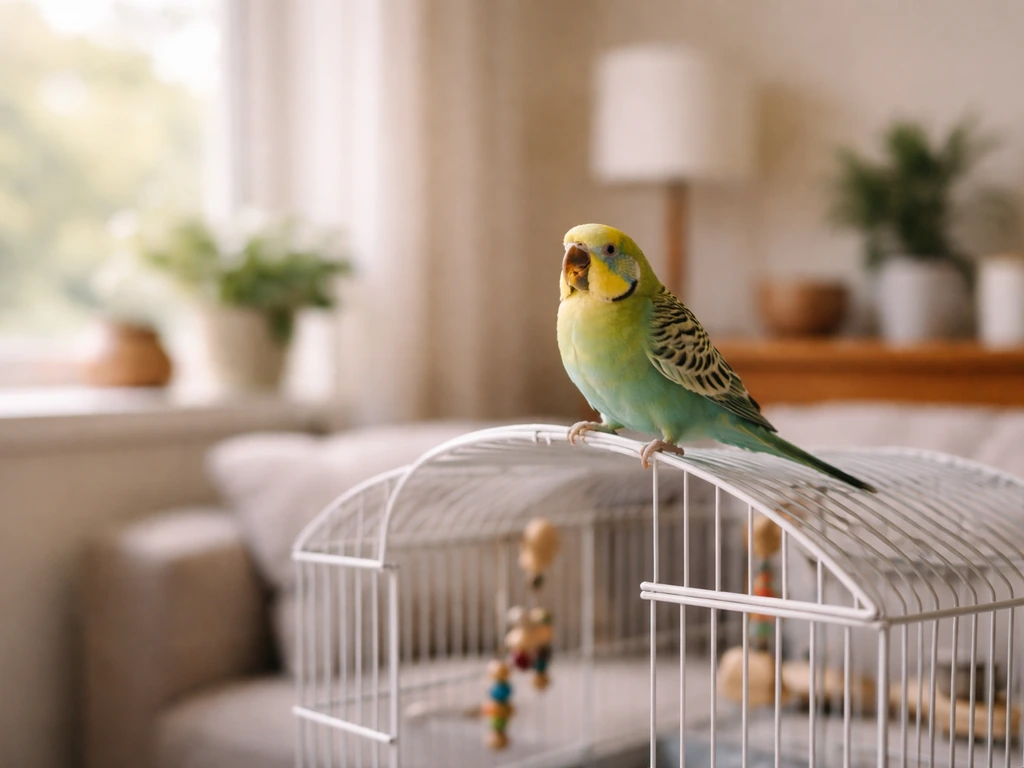
A sudden drop in your bird's noise level is worth taking seriously, but it doesn't automatically mean something is wrong. Because birds can show blank" rel="noopener noreferrer">subtle illness, it helps to notice even slight changes in appetite, behavior, or posture. Birds go quiet for lots of reasons, from minor environmental changes to genuine illness. If you are asking why won’t my bird shut up, it can help to compare its normal baseline with what is different right now, including environment and body signs. The key is knowing what else to look for alongside the silence, because quietness on its own is just one data point. Pair it with fluffed feathers, changes in droppings, or labored breathing, and the picture changes fast.
Why Is My Bird So Quiet All of a Sudden? Causes and Next Steps

Marcus Chen
18 Jun 2026
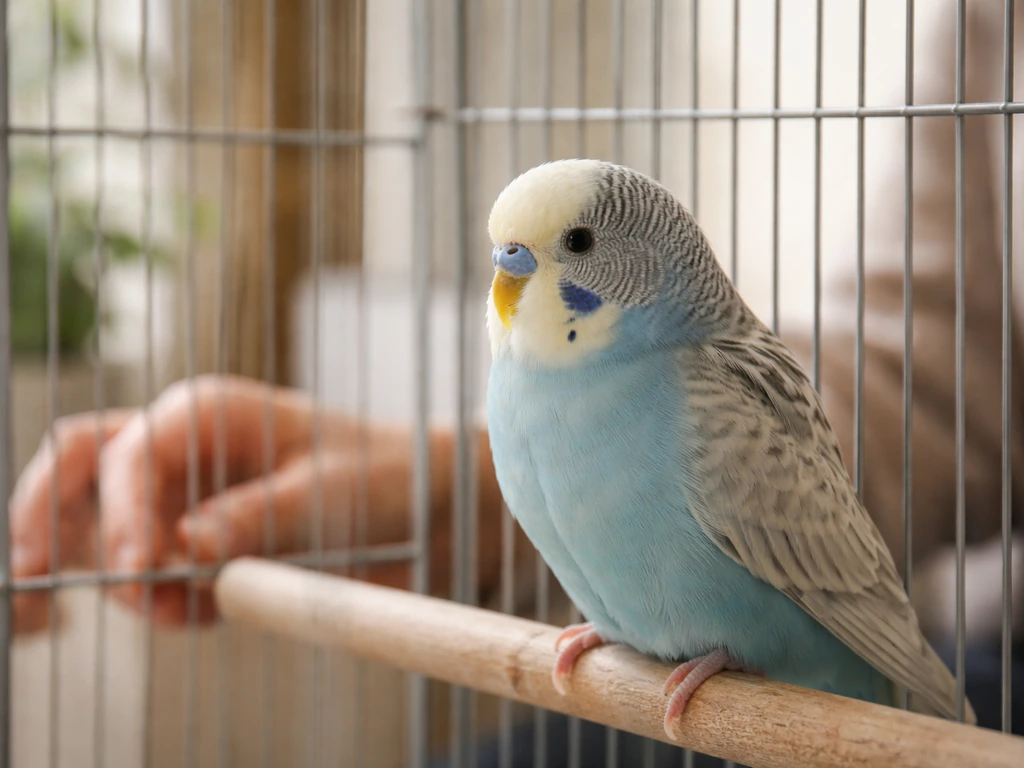
What 'quiet' actually means for pet birds
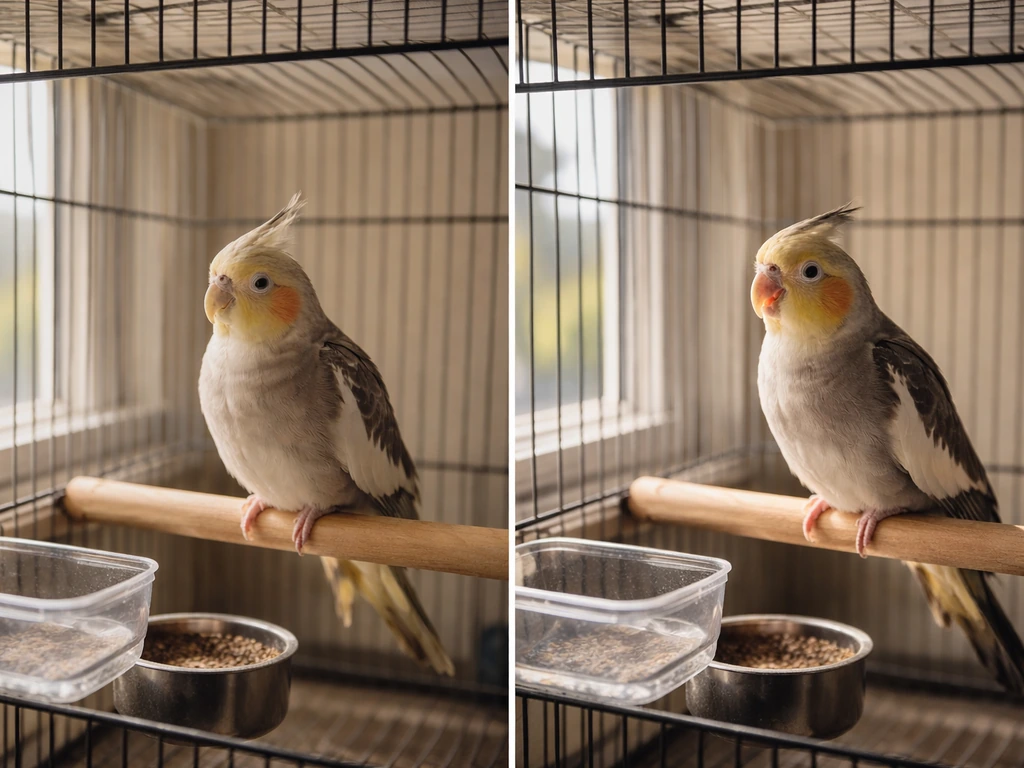
Every species has a baseline. A cockatiel that normally chatters through the morning and goes quiet in the afternoon is behaving completely normally. A conure that screams at dawn and again at dusk is following its flock instinct. When owners ask why their bird is suddenly so quiet, they're usually noticing a genuine drop from that individual bird's personal baseline, not some universal standard.
That individual baseline is what matters. A bird that normally whistles while you cook and now sits silently for an entire morning has changed. That change is the signal. It's different from a bird that's just never been particularly loud, or one that's predictably quiet during a molt or after a big environmental shift like moving the cage.
It's also worth separating 'quiet' from 'not talking.' If your bird has stopped using learned words or phrases, that's a slightly different question from general quietness. If you are trying to figure out why did my bird stop talking, it helps to separate total quietness from loss of specific learned words. Sometimes birds stop vocalizing broadly; other times they just drop specific speech patterns. Both are worth watching, but a total silence is generally more urgent than losing a few words.
Quick triage: check these things right now
Before you spiral into worry or brush it off entirely, do a quick five-minute observation. Don't disturb the bird yet. Just watch from a normal distance and go through this list.
- Activity level: Is the bird sitting in its usual spot, or has it dropped to a lower perch or the cage floor? A bird on the cage floor is a red flag.
- Posture: Is it sitting upright and alert, or is it hunched, head tucked, feathers puffed out? Fluffed feathers at rest are a classic early illness sign.
- Eyes: Are both eyes open, bright, and responsive? Partially closed or sunken eyes suggest the bird is not feeling well.
- Breathing: Watch the tail and chest. Normal breathing is nearly invisible. If the tail is bobbing up and down with each breath, or if the bird is breathing with its beak open while at rest, that's serious.
- Droppings: Check the cage bottom. Look for color, consistency, and quantity. Green or yellow urates (the solid white part turning colored), watery droppings, or a noticeable drop in the number of droppings are all warning signs.
- Appetite and water: Has the bird been eating? Check seed levels, pellet consumption, or fresh food. An untouched food dish after a full day is concerning.
- Nares and eyes: Any discharge, crustiness, or swelling around the nostrils or eyes needs attention.
- Other symptoms: Are there any additional changes, like sneezing, coughing, clicking sounds when breathing, or the bird grinding its beak unusually?
The more of these boxes you're ticking alongside the quietness, the more urgently you need to act. One thing off (just quiet, everything else normal) calls for close monitoring. If you are wondering why your bird is not making noise, use the triage checklist to see whether the silence is mild or a sign of an issue that needs urgent attention. Three or four things off together calls for a vet call today.
Health causes that make birds go quiet
Birds are prey animals, which means they instinctively hide illness until they physically can't anymore. By the time obvious symptoms appear, a bird may have been sick for days or even weeks. VCA Animal Hospitals notes that by the time obvious symptoms appear, pet birds may have been sick for days to weeks, so prompt action matters. Sudden quietness can actually be one of the first visible signs that something is wrong internally, which is why it's worth investigating even when nothing else looks obviously off yet.
Respiratory problems
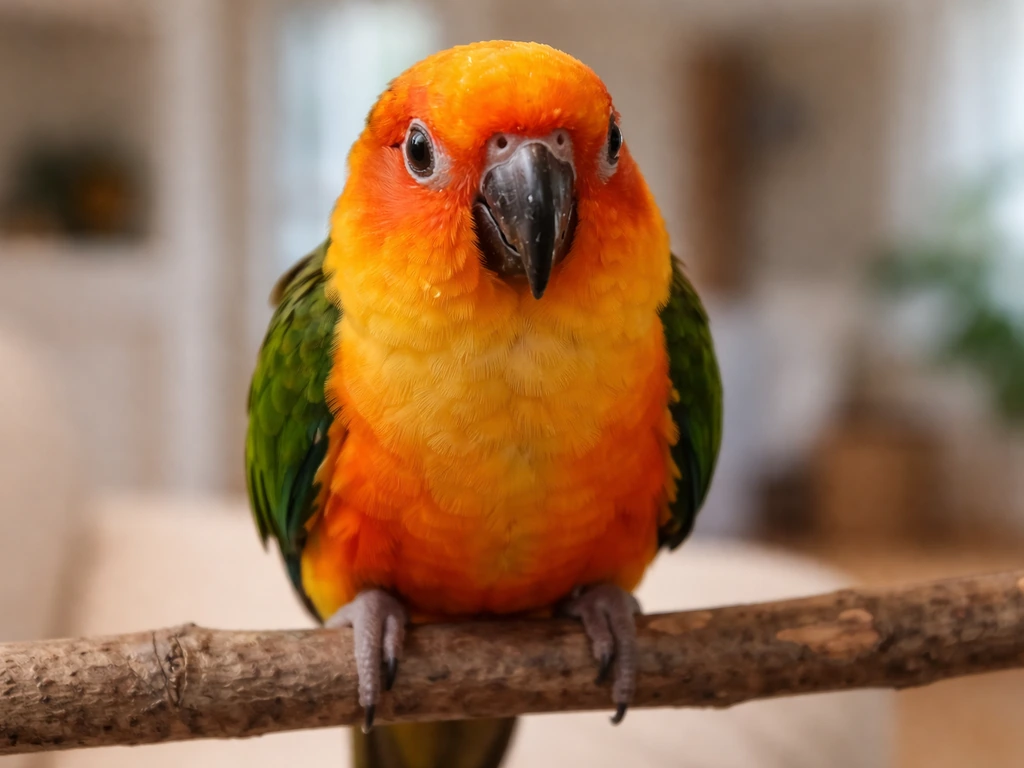
Respiratory infections are common in pet birds and they directly affect vocalization. If a bird's airway or air sacs are inflamed or infected, making sound becomes uncomfortable or difficult. Signs beyond quietness include tail bobbing with every breath, open-mouth breathing at rest, clicking or wheezing sounds, discharge from the nares, and a voice that sounds different or more hoarse than usual. Open-mouthed breathing at rest is always an emergency. Don't wait on that one.
Gastrointestinal illness
GI problems often show up as reduced appetite, abnormal droppings, and a generally subdued bird. A bird with an upset gut or an infection like bacterial enteritis doesn't feel like chattering. Watch for droppings that are watery, discolored (yellow or green urates instead of white), or significantly reduced in number. Weight loss is another sign, though it's hard to detect without a gram scale, which every bird owner should honestly have at home.
Fever, infection, or systemic illness
A bird fighting a systemic infection or running a fever will often go very quiet, sit fluffed up to conserve heat, and sleep more than usual. The fluffed posture is the bird's way of trapping body warmth. If your bird looks like a little round ball of feathers and isn't moving around the cage much, combined with reduced eating and quietness, that combination warrants a vet call the same day.
Stress, environment, and routine changes
Not every quiet bird is a sick bird. Stress is a very common, very underestimated cause of sudden behavior changes in pet birds. Birds are creatures of routine, and even changes that seem minor to us can genuinely unsettle them.
- Cage relocation: Moving the cage to a new spot, even just to a different wall in the same room, can cause a few days of subdued behavior while the bird reassesses its environment.
- New household members: A new pet, a new baby, a new roommate, or even frequent visitors can make a bird retreat into silence.
- Schedule changes: Birds sync to your schedule more than most owners realize. If your work hours changed or you've been away more, your bird notices.
- Seasonal light changes: Shorter days in autumn and winter affect hormone levels and can naturally reduce vocalization. This is normal and usually temporary.
- Lack of stimulation: A bored bird sometimes goes quiet out of apathy. This is more common in highly intelligent species like African greys, amazons, and cockatoos.
- Social separation: If a bird was recently separated from a bonded companion (human or bird), grief-like quietness is a real response.
- Bullying by a cage mate: If you have multiple birds, a dominant bird may be intimidating the quieter one. Watch the cage dynamics carefully.
Stress-related quietness usually comes without the physical warning signs listed in the triage section above. The bird still eats, droppings look normal, posture is upright, and breathing is easy. If all of that checks out, look hard at what changed in the bird's environment in the past one to two weeks.
Pain, injury, and physical discomfort
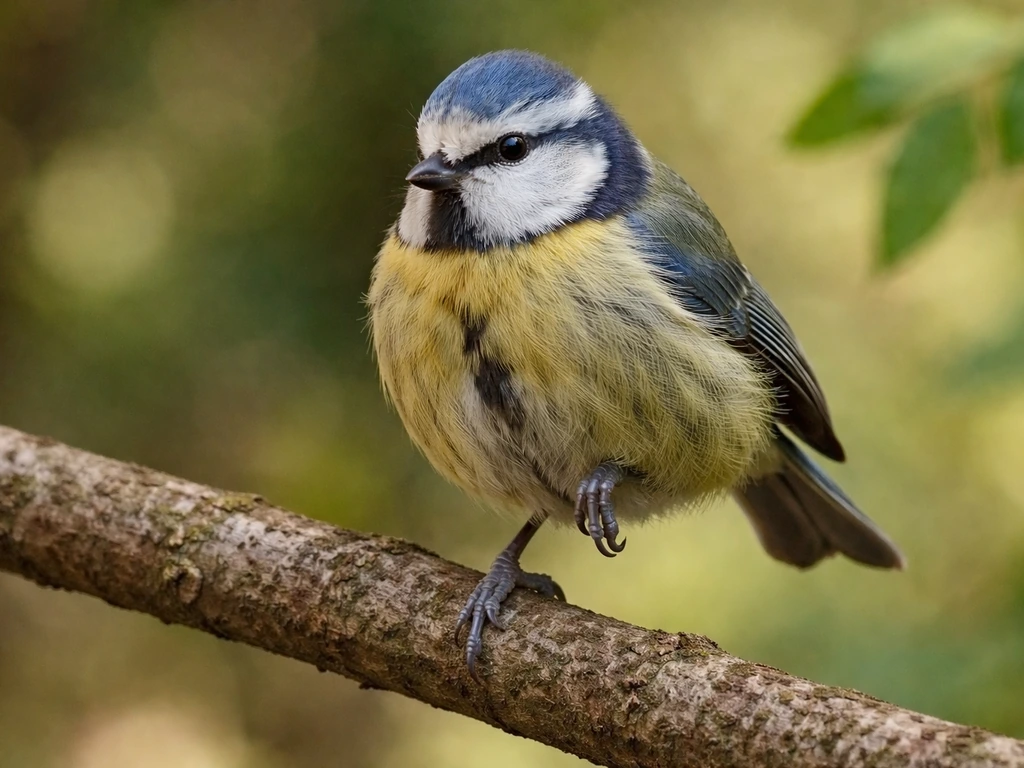
A bird in pain goes quiet. It's one of the most consistent behavioral responses to physical discomfort across species. The challenge is that birds don't always show pain in obvious ways. Here's what to look for.
- Favoring one foot: Holding one leg up while perching, or shifting weight constantly, can indicate foot pain, bumblefoot, or a leg injury.
- Wing position: A drooping or partially extended wing that the bird isn't tucking away normally may signal a fracture, sprain, or soft tissue injury.
- Reluctance to move: If the bird stays in one spot and avoids climbing or flying, even when encouraged, that's worth noting.
- Guarding behavior: A bird that flinches or moves away when you approach a specific body area, or that reacts unusually to being touched in certain spots, may be protecting an injury.
- Head tilt or balance issues: These can indicate neurological problems or inner ear issues and need prompt veterinary attention.
- Beak or face abnormalities: Swelling, asymmetry, or changes in the beak structure alongside quietness can indicate injury or infection.
If you suspect injury, avoid handling the bird more than necessary. Unnecessary restraint adds stress to an already compromised bird. Get to an avian vet rather than trying to assess injuries yourself.
What to do at home today vs when to call the vet
Here's how to split the decision: if the quietness is the only thing that changed and everything else checks out after your triage, you can monitor at home for 24 to 48 hours while making some supportive adjustments. If any of the red flags below apply, call an avian vet today, not tomorrow.
Call an avian vet immediately if you see
- Open-mouth breathing or breathing that looks labored at rest
- Tail bobbing with every breath
- The bird is on the cage floor and not moving
- Discharge from the eyes, nares, or mouth
- No droppings in the past 12 to 24 hours, or droppings that look completely abnormal
- The bird hasn't eaten in more than 24 hours
- Seizures, falling off the perch, or loss of coordination
- Severe fluffing combined with eyes closed and no response to normal stimuli
- Suspected trauma or visible injury
When you call, have this information ready: the bird's species and approximate age, how long ago you noticed the quietness, what other symptoms you observed, any recent changes to diet or environment, and what medications or supplements the bird is currently on. The more specific you are, the faster the vet can triage the call.
Safe things you can do at home right now
- Keep the environment calm and consistent: reduce loud noises, unfamiliar visitors, and handling until you understand what's going on.
- Maintain normal temperature: birds that are ill benefit from a warm environment, around 85 to 90°F (29 to 32°C) near the cage if they seem cold or fluffed, but don't overheat a bird that's active and alert.
- Ensure food and fresh water are accessible and close to where the bird is perching, especially if it seems reluctant to move.
- Do a quick diet check: make sure nothing new was introduced recently that could be causing digestive upset.
- Remove anything in the cage that could be a recent source of toxin exposure: new toys with metals, non-stick coatings nearby, candles, air fresheners, or cleaning products used in the room.
What not to do
- Don't ignore quietness that comes with even one or two other physical symptoms. The combination is what raises the alarm, not any single sign alone.
- Don't give human medications, over-the-counter remedies, or herbal supplements without guidance from an avian vet. What's harmless to humans can be toxic to birds.
- Don't assume it will just pass. Birds can deteriorate very quickly once symptoms become visible. A wait-and-see approach is only appropriate when the bird passes your triage check with no red flags at all.
- Don't try to force-feed or force-water a bird that's clearly unwell. Get professional guidance first.
Sudden quietness in a bird that's normally chatty is your cue to pay attention. Most of the time, a calm environment check and a 24-hour watch will give you the answer. If you are asking why your bird won't stop chirping even though it seems otherwise okay, work through the quietness baseline and triage checks first why won't my bird stop chirping. But when the quiet is paired with physical changes, trust that instinct telling you something is off. Birds don't ask for help loudly, so you have to do the noticing for them.
FAQ
How long should I monitor my bird before I call an avian vet?
If your bird is quiet but still alert, breathing easily, eating and pooping normally, you can do a careful home watch for 24 hours, keep the room calm and stable, and avoid rearranging toys or moving the cage. If quietness continues beyond that window, or you notice any worsening, contact an avian vet even if new symptoms seem small.
Does “quiet” mean the same thing for every bird, or does it depend on their normal behavior?
In most cases, a sudden drop in vocalizing is more concerning when it is a change from that bird’s usual pattern, especially if it is paired with fluffed posture, reduced appetite, abnormal droppings, or breathing changes. If the bird has always been quiet, the bar is higher for urgency unless you see physical signs or a sudden deviation from its normal daily behavior.
What breathing signs mean my bird’s quietness could be respiratory?
Breathing clues matter more than sound. Tail bobbing with each breath, open-mouth breathing at rest, wheezing or clicking, and discharge from the nares are reasons to treat it as respiratory trouble and seek urgent avian care. Do not rely on whether the bird still makes occasional noises, because discomfort can reduce both volume and frequency.
My bird is quieter and the droppings look different, what should I do first?
If droppings change along with the silence, treat it as gastrointestinal or systemic illness risk rather than “just stress.” Focus on consistency and color, watery or significantly reduced output, discolored urates (yellow or green), and weight loss. Because dehydration and internal infection can escalate quickly, contact an avian vet promptly when quietness and fecal abnormalities overlap.
How can I tell the difference between normal resting and illness-related fluffed behavior?
Do not assume the bird is sleeping normally if it is fluffed and staying in one spot most of the day, especially if it is eating less. Birds can rest, but a bird that looks like a “round ball” and is less active than usual, combined with reduced eating or other changes, needs same-day veterinary guidance.
What should I avoid doing if I think my bird might be in pain?
If you suspect pain or injury, the safest immediate step is to minimize handling and avoid trying to “check” things by grabbing the bird. Keep the environment calm and provide warmth, then arrange an avian vet evaluation. If the bird is holding itself oddly, limping, breathing oddly, or not moving normally, do not delay.
How do I know if quietness is stress versus something medical?
Stress can reduce vocalizing, but you should confirm there are no physical red flags first. A useful decision aid is this: if posture stays upright, breathing looks easy, appetite and droppings remain normal, and the only change is something new in the environment (noise, household activity, new cage location), then stress becomes more likely.
What kinds of environment changes commonly make birds go quieter suddenly?
Take note of subtle environmental changes that often trigger quiet behavior, even if they seem minor. Examples include moving the cage, a new cleaning product or strong scent near the bird, sudden changes in household traffic, temperature or drafts, new pets, or a new perch setup. Write down what changed in the last one to two weeks so you can report it clearly to the vet.
If my bird stopped saying a few words but still makes some sounds, is that the same problem as total quietness?
Loss of learned words can happen without total silence, and losing specific phrases is a different pattern from being generally quiet. If the bird has stopped repeating only certain words but still vocalizes in other ways, your next step is to track the pattern over the day and watch for health red flags, since some medical issues can reduce overall willingness to vocalize too.
What details should I gather before calling the vet?
For the vet call, include species and approximate age, exactly when the quietness started, and whether it is constant or comes and goes. Also report appetite and water intake, droppings appearance and frequency, any observed breathing sounds or effort, recent diet changes, and any supplements or medications. If you can, mention temperature changes in the room and when the bird last seemed normal.
Is open-mouth breathing at rest really an emergency, and what should I do right away?
If you see open-mouth breathing at rest, treat it as an emergency. Keep the bird warm, reduce handling, and prioritize immediate avian or emergency care. Do not wait for the next day, and do not attempt home treatments that could delay oxygen and airway evaluation.
Next Article
Why Won’t My Bird Shut Up? Causes and What to Do
Identify why your bird won’t stop vocalizing and follow safe steps to reduce noise while spotting health warning signs.