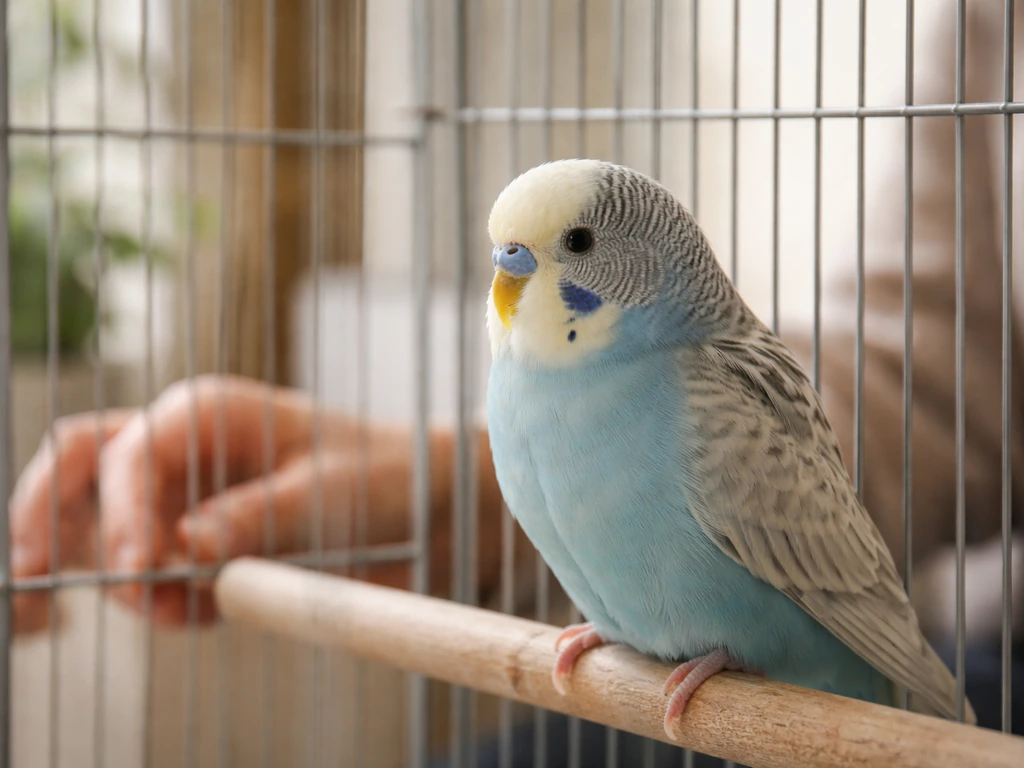
A bird that suddenly stops talking or goes quiet is almost always reacting to something: a change in routine, a stressor in the environment, a hormonal or seasonal shift, or an early sign of illness. Most of the time it's not an emergency, but silence paired with even one other symptom like fluffed feathers, tail bobbing, or a change in droppings means you should be on the phone with an avian vet today.
Why Did My Bird Stop Talking? Causes and What to Do

Marcus Chen
29 Jun 2026
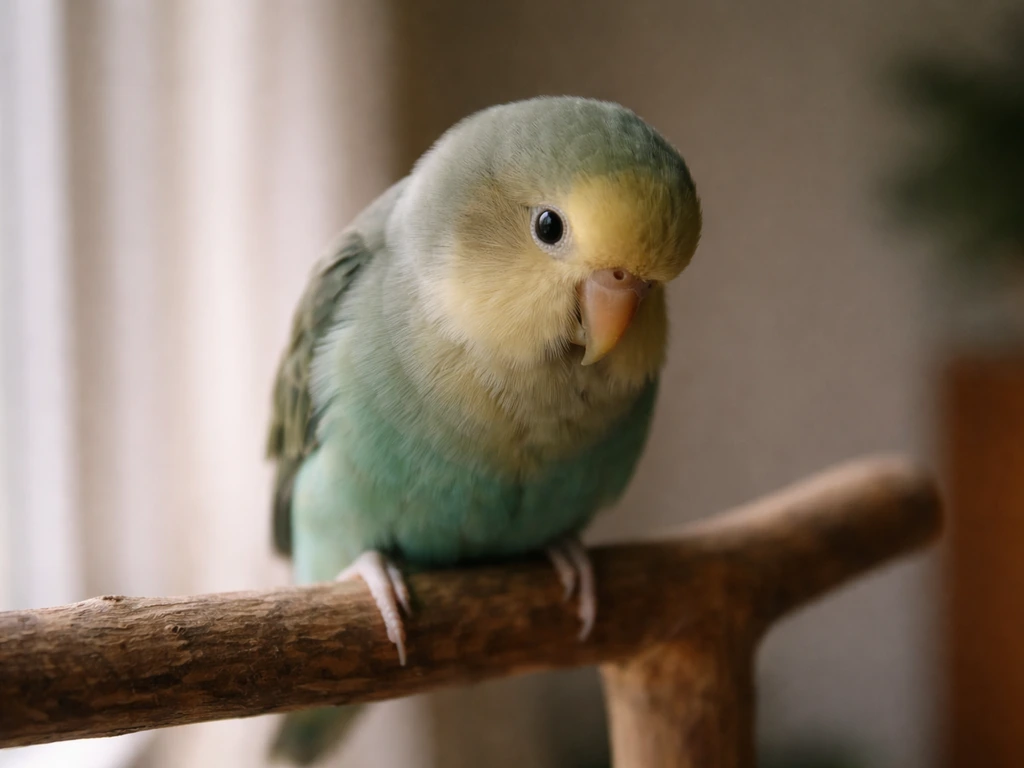
What 'stopped talking' can actually mean
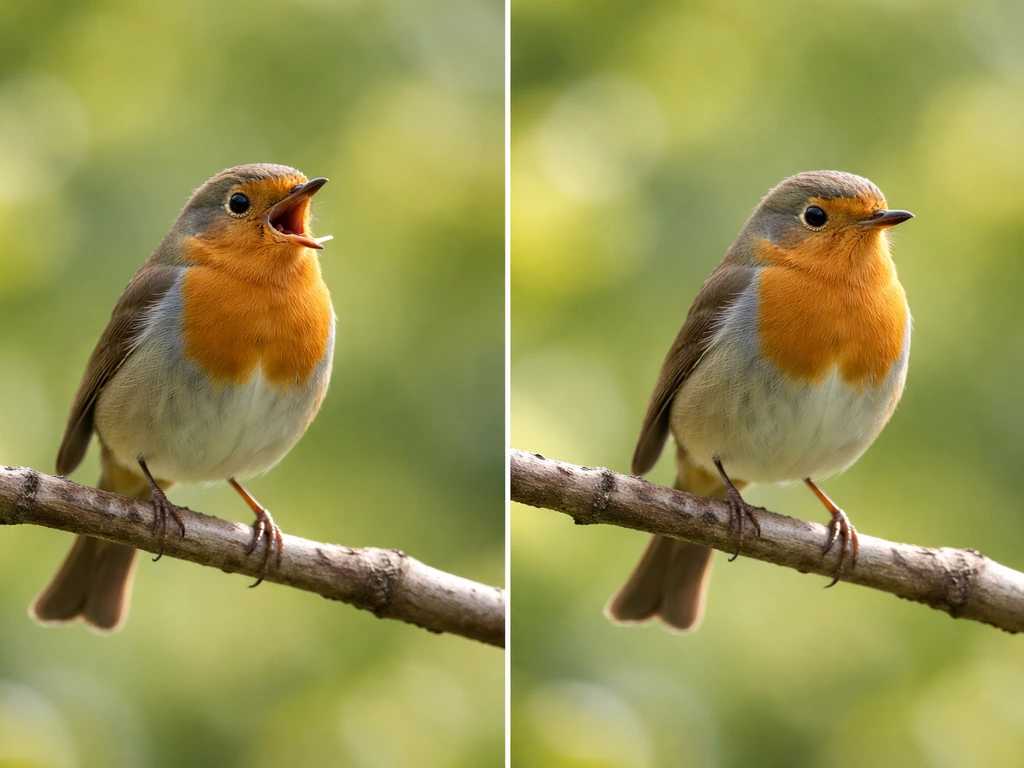
Not all bird silence looks the same, and figuring out which type you're dealing with is the first step. There's a real difference between a bird that's gone completely quiet and one that's just talking less than usual.
- Complete silence: the bird has stopped vocalizing almost entirely, including contact calls and routine chirps it would normally make throughout the day.
- Lost mimicry only: the bird still chirps and calls normally but has stopped repeating words or phrases it previously used.
- Reduced volume or frequency: the bird still vocalizes but much less than its normal baseline, often more subdued and brief.
- Changed voice quality: the bird is trying to vocalize but sounds hoarse, raspy, clicking, or strained.
- Silent at specific times only: quiet around new people, in a new room, or after a specific event, but otherwise normal.
The first and fourth types, complete silence and changed voice quality, are the ones that deserve the most attention fastest. A bird that sounds hoarse or wheezy while trying to call may have a respiratory problem. A bird that has stopped making any sound at all and is also sitting low in the cage or looks fluffed is a potential medical situation. The others, reduced talking or lost mimicry without other symptoms, are much more likely to have a behavioral or environmental explanation.
It's also worth noting that if your bird has become unusually noisy rather than quiet, or is making sounds but in a distressed or frantic way, that's a different pattern covered in related topics on excessive chirping and sudden noisiness. This guide focuses specifically on birds that have gone quiet or stopped talking.
First checks you can do right now
Before worrying about illness, run through these four areas. Most sudden quiet episodes trace back to something in one of them.
Routine changes
Birds are creatures of habit. A shift in your schedule, a new work-from-home arrangement, someone leaving the household, or even a change in when the lights go on can throw off a bird's daily rhythm. Think back over the last one to two weeks. Did anything in the household routine shift around the time the talking stopped?
Environment checks
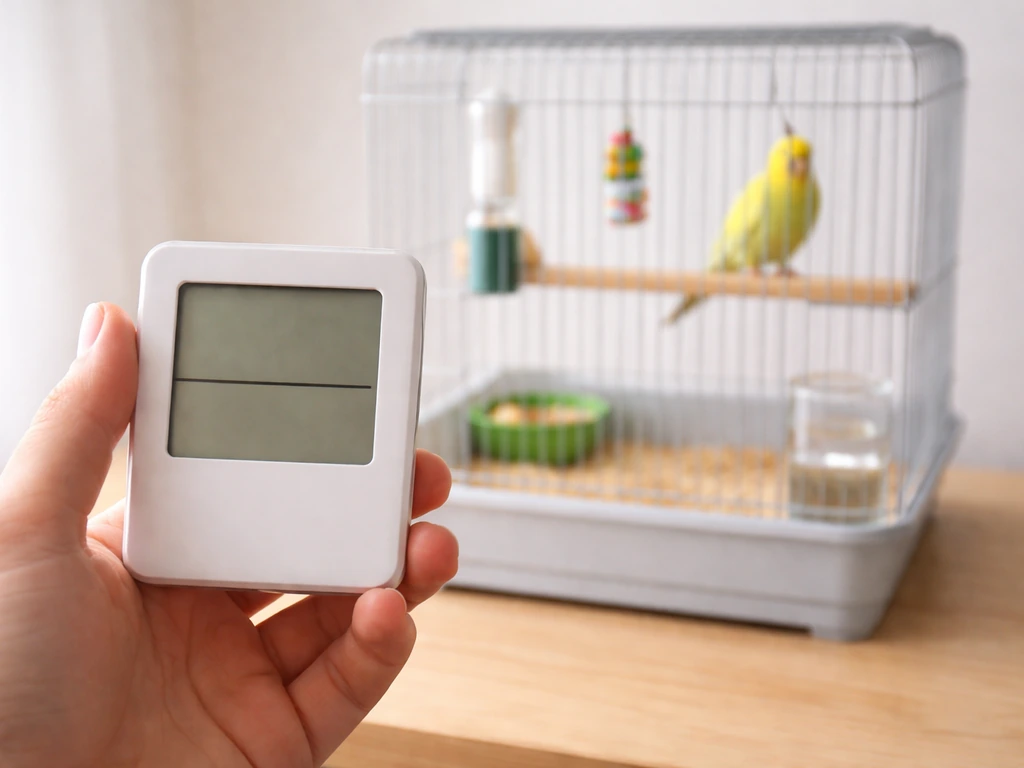
Walk through the room the bird lives in. Check the temperature: birds can go quiet when they're too cold or, less obviously, when they're slightly overheated. The comfortable range for most pet birds is roughly 65 to 85 degrees Fahrenheit. Check for drafts near the cage, especially if the weather recently changed. Also look for anything new in the room, a mirror, a piece of furniture, a plant, a new appliance, that might be causing low-level stress.
Stress and recent triggers
Did anything scare the bird recently? A loud noise, a predator glimpsed through a window (a hawk, a neighborhood cat), a rough handling episode, a stranger in the house? Birds can stay quiet for hours or even a couple of days after a genuine fright. This is instinctive: in the wild, silence is protective.
Household air quality

This one is easy to overlook. Birds have incredibly sensitive respiratory systems. Nonstick cookware overheated on the stove releases fumes that can cause serious respiratory distress in birds, and in severe cases, sudden death. The same applies to scented candles, aerosol sprays, air fresheners, cleaning products, and cigarette smoke. If you've used any of these recently near the bird, that's an urgent lead. A bird that went quiet right after any kind of fume or smoke exposure needs veterinary attention immediately, not just monitoring.
Health red flags that can silence a bird
Silence that comes from a health problem is almost always accompanied by at least one other physical sign. Here's what to look for:
Respiratory problems
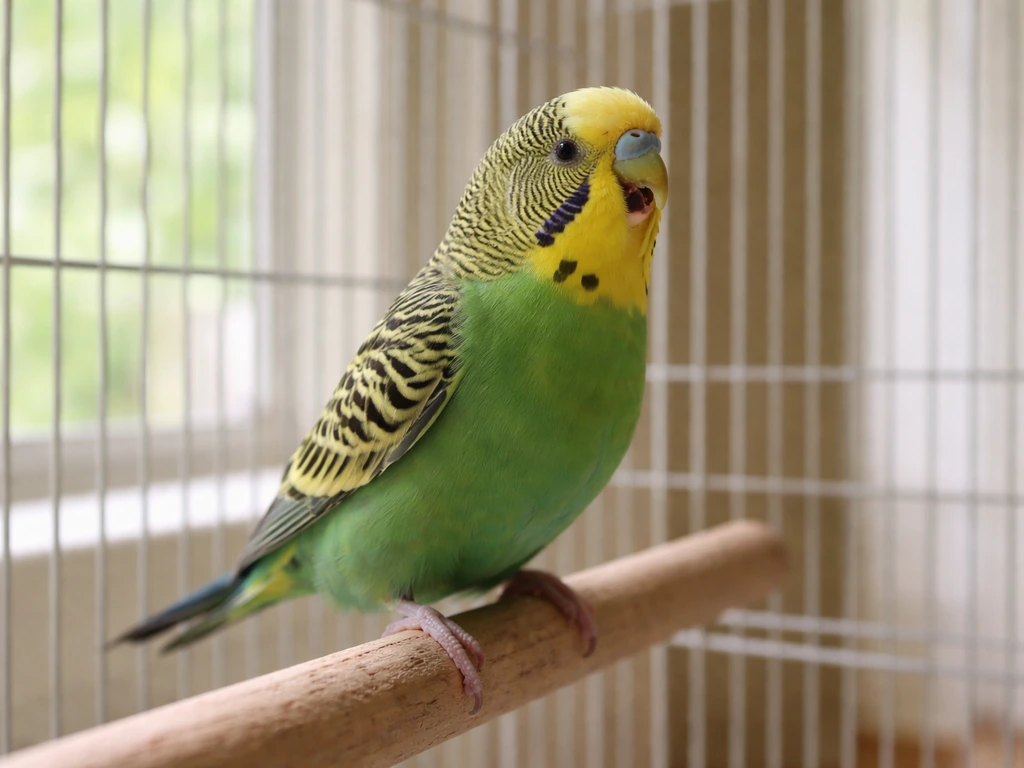
Respiratory illness is one of the most common reasons a previously vocal bird stops talking or develops a changed voice. Signs include open-mouth breathing, tail bobbing (the tail pumping up and down with each breath), wheezing, clicking sounds, labored breathing, nasal or eye discharge, and an outstretched neck posture. Any of these alongside reduced vocalizing is a medical situation. Causes range from bacterial infections and aspergillosis (a fungal infection that commonly affects the respiratory tract) to airway irritation from inhaled toxins. These are not wait-and-see situations.
Pain or injury
A bird in pain often goes quiet because vocalizing takes effort and energy. Look for any physical asymmetry: a wing held lower than the other, a leg being favored, swelling anywhere on the body, or a change in how the bird grips the perch. Birds will also sit lower in the cage, sometimes on the cage floor, when they're hurting.
Systemic illness
Conditions like psittacosis (a bacterial infection also called avian chlamydiosis) can cause lethargy, reduced appetite, nasal or eye discharge, and loose or discolored droppings alongside quietness. A bird's droppings are one of the most useful daily health checks you can do: watery droppings, green or yellow urates, or a big change in dropping volume can all be early signals that something is off internally.
Toxin exposure
Beyond nonstick fumes, chlorine-based cleaning products and ammonia-based cleaners used near the bird (or especially mixed together, which creates chloramine gas) can cause acute respiratory irritation and voice loss. Symptoms from some toxin exposures, including pulmonary edema from cleaning product fumes, can appear hours after the exposure rather than immediately. If there's any chance the bird was near cleaning products, fumes, or smoke, treat it as an emergency.
How to tell the difference between normal quiet and a warning sign
This is the key judgment call, and it comes down to looking at the whole picture rather than just the silence itself. A bird that is quiet but still alert, still eating and drinking normally, still preening, still reacting to you with curiosity or normal body language, is much less likely to be sick. A bird that is quiet AND has any of the following is telling you something is wrong:
| Sign | What it suggests | Urgency |
|---|---|---|
| Open-mouth breathing or tail bobbing | Respiratory distress | Vet today, treat as emergency |
| Fluffed feathers, hunched posture | Illness, pain, or chilling | Vet same day |
| Sitting on cage floor | Weakness, serious illness | Vet immediately |
| Nasal or eye discharge | Infection (bacterial, viral, fungal) | Vet today |
| Watery, discolored, or reduced droppings | GI or systemic illness | Vet within 24 hours |
| Reduced or absent appetite | Illness, stress, or pain | Monitor closely; vet if persists 24 hours |
| Clicking or wheezing sounds | Respiratory infection or obstruction | Vet today |
| Quiet for more than 24 hours with no clear cause | Possible early illness | Vet consultation recommended |
Avian vets consistently note that decreased vocalizing is often one of the earliest behavioral signs of illness in birds, and a normally chatty bird that goes quiet for more than about 24 hours without an obvious explanation should be seen by a vet. If you are trying to figure out why your bird won't shut up or goes unusually quiet, track the pattern and watch for any additional physical signs decreased vocalizing. Birds are prey animals and are hardwired to hide illness. By the time the silence is obvious, the problem may have been building for a while.
Common causes by situation
Here are the most frequent scenarios owners describe, and what's usually going on: If you’re still wondering why your bird won’t stop chirping, the same first-check approach can help you narrow down whether it’s behavior, stress, or a health issue why won’t my bird stop chirping.
New home or recent move
A bird moved to a new environment almost always goes quiet for a period. Everything is unfamiliar: the sounds, the light, the smell, the layout. This can last anywhere from a few days to a few weeks. As long as the bird is eating, drinking, and maintaining normal droppings, this is normal adjustment behavior. Keep the environment calm, talk to the bird gently and consistently, and don't push for interaction.
Visitors or household changes
New people in the home, a baby, a new pet, or even rearranged furniture can trigger a quiet period. Some birds go silent around strangers and then resume normal talking once the visitors leave. Others may stay quiet for a few days if the change feels significant to them, like a new pet that the bird can see or smell.
Loss of a companion bird or bonding changes
Birds that lose a cage mate or a bird they were close to can go through something that genuinely resembles grief. They may become quiet, less active, and less interested in interaction for weeks. This is real and worth taking seriously. Extra interaction from you, enrichment, and in some cases introducing a new companion (carefully and with quarantine protocols) can help.
Molting
During a molt, birds put a lot of energy into growing new feathers. Many owners notice their birds are quieter, sleep more, and are generally more subdued during this period. If the molt looks normal (gradual feather replacement, no bald patches, no skin irritation) and everything else is fine, this is expected and temporary.
Seasonal and hormonal shifts
Changes in daylight hours can shift a bird's vocal patterns. Some birds are much more talkative in spring and early summer and dial back in winter. Hormonal cycles can also affect vocalizing, sometimes increasing it, sometimes reducing it depending on the individual bird and species.
Boredom or social withdrawal
A bird that isn't getting enough interaction, mental stimulation, or out-of-cage time can become withdrawn and less vocal over time. This is a slow fade rather than a sudden silence. If the bird's environment hasn't changed much but it's gradually gotten quieter over weeks or months, boredom and under-stimulation are worth examining.
Learning and development phases
Young birds sometimes go through quiet phases while they're processing new sounds and practicing internally before producing them. If you have a young bird that recently stopped repeating words it used to say, it may be going through a consolidation phase rather than losing the skill. Keep talking to it consistently.
What to do today: calming steps, enrichment, and helping the voice come back
If you've checked the health red flags and the bird looks physically well, here are practical things you can do right now to support recovery from a behavioral quiet period.
- Stabilize the environment: reduce loud noise, limit unfamiliar visitors to the bird's space, keep the temperature consistent, and cover the cage at night at a regular time to reinforce routine.
- Resume normal talking: talk to your bird naturally throughout the day, at the same times you usually would. Don't overdo it by hovering and coaxing; just be consistently present and conversational.
- Play back familiar sounds: if your bird responded to music, TV shows, or recordings of other birds, keep those going at a low volume in the background. Familiar audio context can encourage a bird to start vocalizing again.
- Check cage placement: is the bird in a spot where it can see household activity without being directly in the path of drafts, direct sunlight, or kitchen fumes? A slightly elevated position with a view of the room often helps birds feel more secure.
- Add gentle enrichment: foraging toys, new safe foods to explore, or rearranging perch positions can reset a bored or anxious bird's interest without overwhelming it.
- Give it time without pressure: some birds need a few days of calm, low-demand interaction before they start talking again. Don't make the bird feel like talking is required or rewarded only with intense attention.
- Review any recent cleaning, cooking, or air quality changes: if anything in the home's air quality has changed, remove the source and ventilate the space well.
For birds that have stopped mimicking specific words, consistent repetition in context is the most effective approach. Say the word or phrase in the same situation each time, not just randomly. For example, always say 'hello' when you uncover the cage in the morning. Contextual repetition tends to stick better than drill sessions.
When to call an avian vet and what to track
Some situations don't get a wait-and-see period. Call an avian vet immediately if:
- The bird is open-mouth breathing, tail bobbing, or making labored breathing sounds
- The bird is sitting on the cage floor or can't grip the perch properly
- The voice sounds hoarse, raspy, or clicking when the bird tries to vocalize
- There was any possible fume, smoke, or chemical exposure (nonstick pans, sprays, cleaners)
- The bird has discharge from the nose or eyes
- Droppings have changed dramatically in color, consistency, or volume
- The bird has stopped eating or drinking
- The bird is fluffed up and unresponsive to things that normally get its attention
If the bird has been quiet for more than 24 hours with no clear behavioral explanation, a call to an avian vet (not a general small animal vet if you can help it) is a reasonable next step even without other symptoms. One resource specifically notes that a sudden change in vocalizations is a sign that warrants contact with a veterinarian within eight hours.
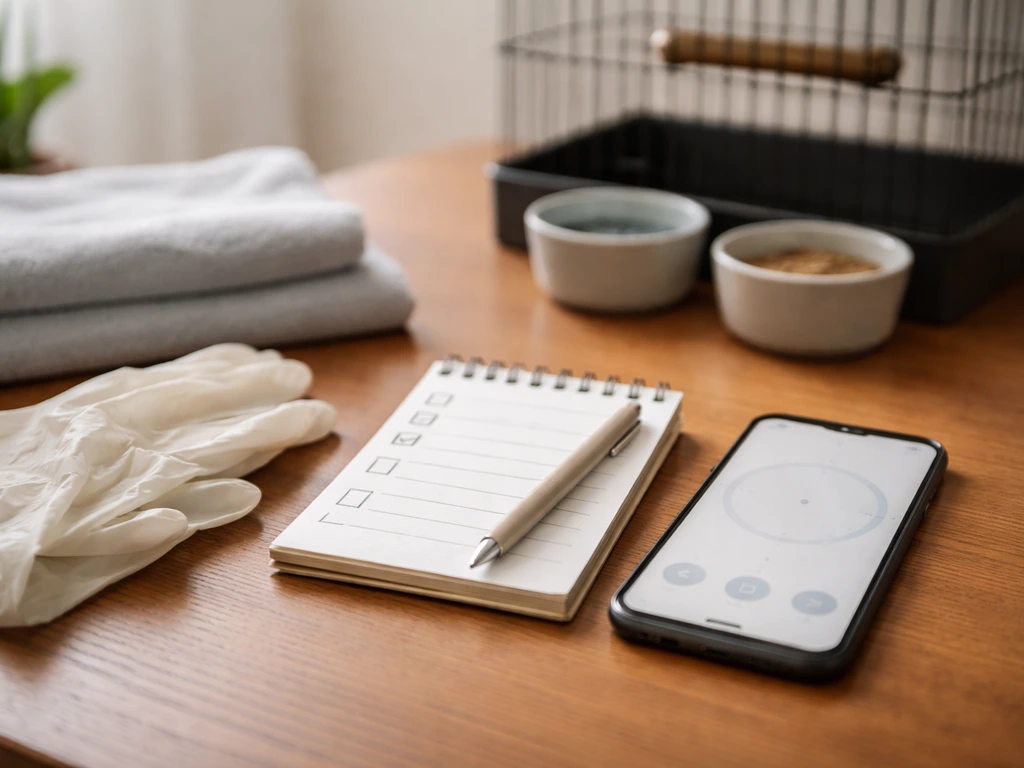
When you call or go in, bring as much information as you can. Vets find the following details genuinely useful:
- When the silence started and whether it was sudden or gradual
- Any changes in the household in the two weeks before it started (people, pets, routines, products used)
- What the droppings look like and whether they've changed
- Whether the bird is eating and drinking, and roughly how much compared to normal
- Any physical signs you've noticed: posture, feather condition, breathing patterns, eye or nose appearance
- The bird's weight if you have a kitchen scale (even approximate)
- Any cleaning products, cooking events, or sprays used in the home recently
- Whether the bird lives alone or with other birds, and whether those birds seem affected
Birds deteriorate faster than mammals once they're truly sick, so if your gut says something is wrong, trust that instinct and make the call. A quiet bird that's otherwise healthy usually resumes normal vocalizing within a few days once whatever triggered the silence is resolved. A quiet bird that's also showing any physical symptoms is not something to watch and wait on.
FAQ
Is it normal for my bird to go quiet overnight, or should I worry immediately?
A one-off quiet period can happen with sleep, routine changes, or minor stress, but if your bird is still unusually quiet the next day (especially beyond about 24 hours) without an obvious reason, contact an avian vet. Also watch for subtle signs like reduced appetite, puffed posture, or tail bobbing, since those can make “overnight” delays risky.
What “behavioral quiet” should look like versus “illness quiet”?
Behavioral quiet usually comes with normal alertness, normal eating and drinking, regular droppings, and typical preening or perch posture. Illness quiet often includes at least one physical or functional change (open-mouth breathing, wheezing or clicking, discharge around the eyes or nares, droppings that are watery or drastically different, or sitting low).
My bird is quiet but still acting normal, should I keep monitoring at home?
If your bird is eating, drinking, and behaving normally, it is reasonable to monitor while removing likely stressors (drafts, new room items, fumes, loud guests) and keeping a consistent light-dark schedule. Still, set a clear cutoff, such as calling the vet if vocalizing does not return within 24 hours or sooner if any symptom appears.
Could a new cage item or bedding cause my bird to stop talking?
Yes, even if it is not obvious. Strong odors, dust, or fumes from new toys, perch treatments, liners, or cleaning residue can irritate airways and suppress vocalizing. If you recently changed anything, consider reversing to the previous setup, and avoid using fresh-scent products near the cage until the room air has cleared.
Can my bird stop talking if the temperature is only slightly off?
Small shifts can affect some birds, especially if there are drafts near the cage or if the bird is between rooms with different airflow. If the bird spends time huddled, sits low, or shows warm-seeking behavior, adjust the environment toward a typical comfort range and call the vet if silence persists or breathing looks effortful.
What should I do if I suspect nonstick fumes or a cleaning product exposure?
Treat it as urgent. Move the bird to fresh air immediately if it can be done safely, ventilate the room, and contact an avian vet right away, even if your bird initially seems “okay.” Some respiratory effects can appear hours after exposure, and delayed care can reduce outcomes.
My bird is hoarse, wheezy, or making clicking sounds. Is that always an emergency?
It is a medical red flag, not a wait-and-see situation. Hoarseness, wheezing, clicking, or labored breathing alongside reduced vocalizing warrants an urgent avian vet call, because respiratory infections and airway irritation can worsen quickly in birds.
Do I need to stop covering the cage at night to help my bird talk again?
Not automatically. The key is consistency and avoiding extra stress from sudden routine changes. If your bird is already sensitive, keep the same lighting schedule you used previously, and only adjust gradually. If you have been using lights or a different covering style that changed right before the quiet started, revert to the prior routine and monitor.
How long should a “new environment adjustment” last before I call the vet?
Adjustment quiet can last from a few days up to a few weeks when the bird is otherwise stable. However, if the bird remains quiet beyond about 24 hours without any clear behavioral explanation, or if droppings, breathing, or posture change, call an avian vet to rule out illness.
My bird lost a cage mate. Is grief a likely cause of silence, and when should I be concerned?
Grief-like withdrawal can occur and may last for weeks, with reduced interaction and quieter behavior. But because illness can look similar, check droppings, appetite, breathing, and body posture daily. If the quiet comes with physical changes or continues to worsen, get an avian vet exam.
Can molting make my bird stop talking for a long time?
Molting can reduce activity and vocalizing temporarily, and many birds sleep more during this period. It should still be gradual and look generally normal. If there is skin irritation, bald patches with redness or bleeding, ruffled persistent puffing, or discharge, treat it as a health concern rather than “just the molt.”
If my bird stopped repeating a specific word, is that the same as losing overall voice?
Not always. Losing mimicry of one phrase can be a consolidation phase or context change, especially in young birds, and it may not mean a medical issue if breathing, droppings, appetite, and general alertness are normal. If mimicry loss is paired with hoarseness, open-mouth breathing, or changes in droppings, it shifts toward illness and needs veterinary attention.
What information should I prepare before I call the avian vet?
Write down the timeline of when vocalizing changed, what household changes happened in the prior 1 to 2 weeks (schedule shifts, guests, cage rearrangements, new products, odors or smoke), and a quick symptom checklist. Include feeding and water intake, how droppings look (volume, color of urates, wetness), and whether breathing seems effortful or the bird is sitting low.
Next Article
Why Is My Bird So Quiet All of a Sudden? Causes and Next Steps
Find likely reasons for sudden quiet in pet birds and follow a step-by-step triage to decide when to see an avian vet.