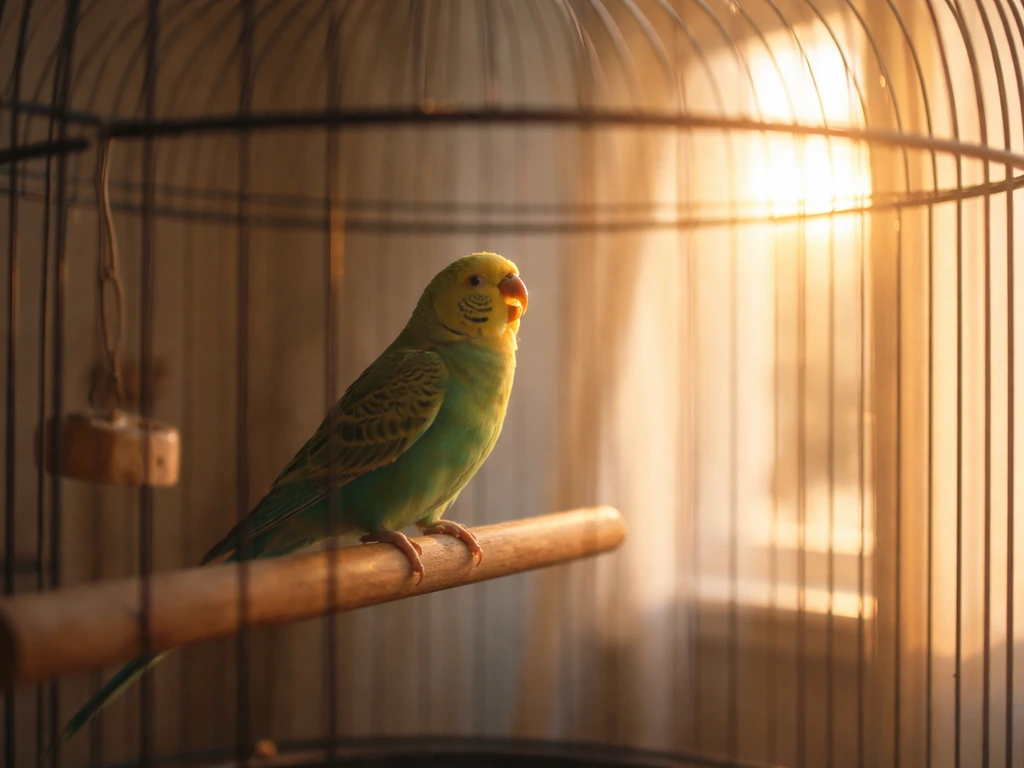
Most of the time, a bird that sounds like it's "crying" is making contact calls or attention-seeking vocalizations, which are completely normal flock communication behaviors. But some crying sounds, especially when paired with blank" rel="noopener noreferrer">fluffed feathers, tail bobbing, open-mouth breathing, or a change in droppings, can signal genuine pain, illness, or distress that needs prompt attention. The fastest way to know which you're dealing with is to look at your bird's body language and run through a few quick home checks before deciding whether to call an avian vet. If your bird screams in the morning, it can help to compare what it is doing then with these normal contact calls versus distress signs morning screaming.
Why Is My Bird Crying? Causes and What to Do Now

Marcus Chen
2 Jul 2026
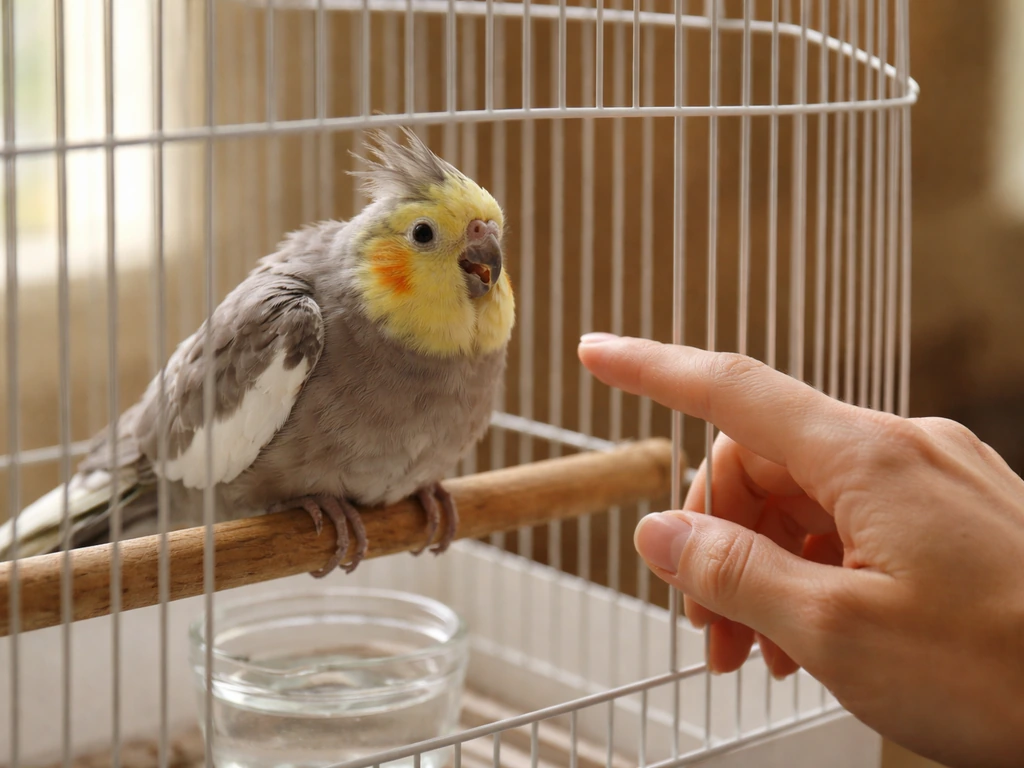
What "crying" actually means in bird language
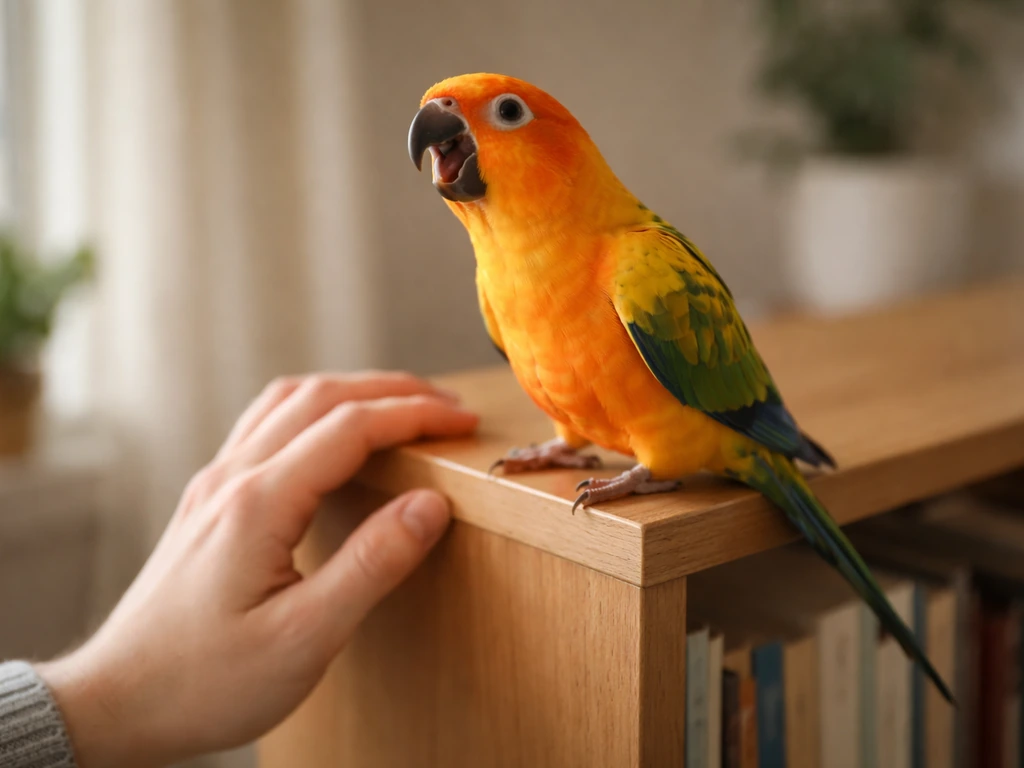
Birds don't cry tears the way humans do, but they absolutely produce sounds that owners describe as crying, whimpering, meeping, or whining. These vocalizations serve real communicative functions. Birds use calls to stay in contact with their flock, signal alarm, express frustration, and solicit attention. A cockatiel doing soft contact calls when you leave the room isn't crying out of misery. It's flock calling, the same way it would call to a companion bird to say "hey, where are you?" This is so common that it's often mistaken for distress even when the bird is completely fine.
The distinction that matters is whether the vocalization is communicative or distress-driven. Communicative crying has a rhythm, often stops when you respond, and your bird looks normal otherwise. Distress-driven crying tends to be persistent, unusual in tone, and comes with physical signs you can see. If your bird sounds different than it usually does and the behavior is new, that's the signal to look closer. This article focuses on helping you make that call quickly.
It's also worth noting that some crying-type sounds overlap with screaming and squawking behavior. If your bird is loud and persistent but otherwise active and alert, the causes and solutions are a bit different from what we're covering here.
Quick check: body language and breathing right now
Before you do anything else, spend 60 seconds watching your bird closely without disturbing it. You're looking for a short list of physical signs that separate normal communication from a real health concern.
- Tail bobbing at rest: a rhythmic pumping or flicking of the tail with each breath is one of the most important signs of respiratory distress in birds. If you see this, take it seriously.
- Open-mouth breathing at rest: a bird that is breathing with its beak open while sitting still (not after exercise or in heat) is working hard to breathe and needs veterinary attention.
- Fluffed or ruffled feathers: a bird sitting puffed up is often cold, feverish, or unwell. It's also a sign of chills. Healthy birds fluff up briefly, but sustained fluffing is a red flag.
- Wings held away from the body: this can indicate heat stress or difficulty breathing.
- Sitting on the cage floor: birds instinctively stay high when they feel well. A bird on the cage bottom is often weak or very unwell.
- Audible breathing sounds: wheezing, clicking, or crackling noises with each breath are signs of respiratory trouble.
- Eyes: half-closed or dull eyes alongside crying suggest the bird is not just being vocal. Bright, alert eyes are a good sign.
- Posture: a bird hunched over, leaning, or unable to grip the perch properly needs prompt assessment.
If your bird is crying but looks alert, is perching normally, has bright eyes, and is breathing silently with its beak closed, you're most likely dealing with a behavioral or environmental cause rather than a medical emergency. If your bird is screaming for no clear reason, focus first on whether it seems alert and otherwise normal, then check for any health red flags like abnormal droppings crying. Keep reading to work through the most common triggers.
The most common reasons birds cry (and how to spot each one)
Loneliness and not enough attention
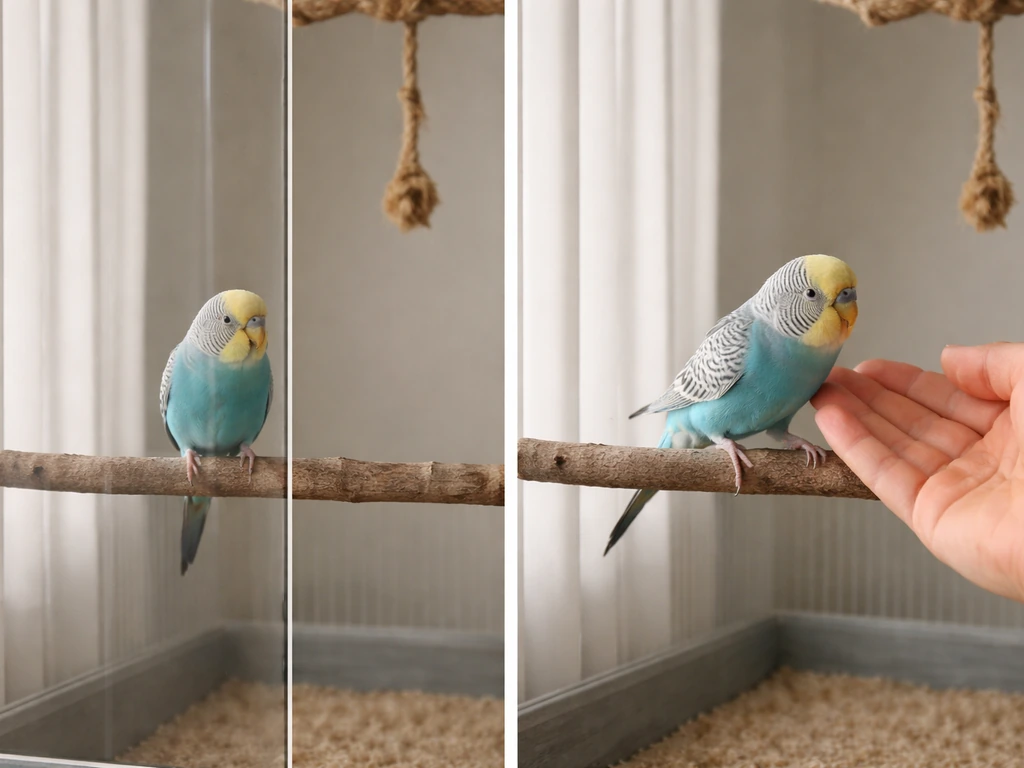
Birds are highly social animals, and insufficient interaction is one of the most common causes of distress vocalizations. If your bird starts crying when you leave the room or when the house gets quiet, it's likely flock-calling for contact. This is especially common in parrots, cockatiels, and conures. It isn't a health problem, but it does tell you your bird needs more engagement. Short, regular interaction sessions throughout the day help more than one long session. Even talking to your bird from another room can reduce the intensity of contact-calling.
Boredom and lack of stimulation
A bored bird will vocalize more, and those sounds can have a frustrated, repetitive quality that sounds almost whiny. Without enough mental stimulation, birds can develop behavioral problems including persistent screaming. Rotate toys regularly, offer foraging opportunities like hiding food in wrapping or puzzle feeders, and make sure the bird has visual variety in its environment. A bird that is mentally engaged cries a lot less.
Routine changes and environmental disruptions
Birds are creatures of routine. A new piece of furniture, a rearranged cage, a new pet, guests in the house, or even a changed feeding schedule can trigger anxious or distress-like vocalizations. Think back over the last 48 to 72 hours. Did anything in the home change? Loud noise from construction, a TV left on a different channel, or a sudden change in household activity can all unsettle a bird enough to cause persistent crying.
Temperature and drafts
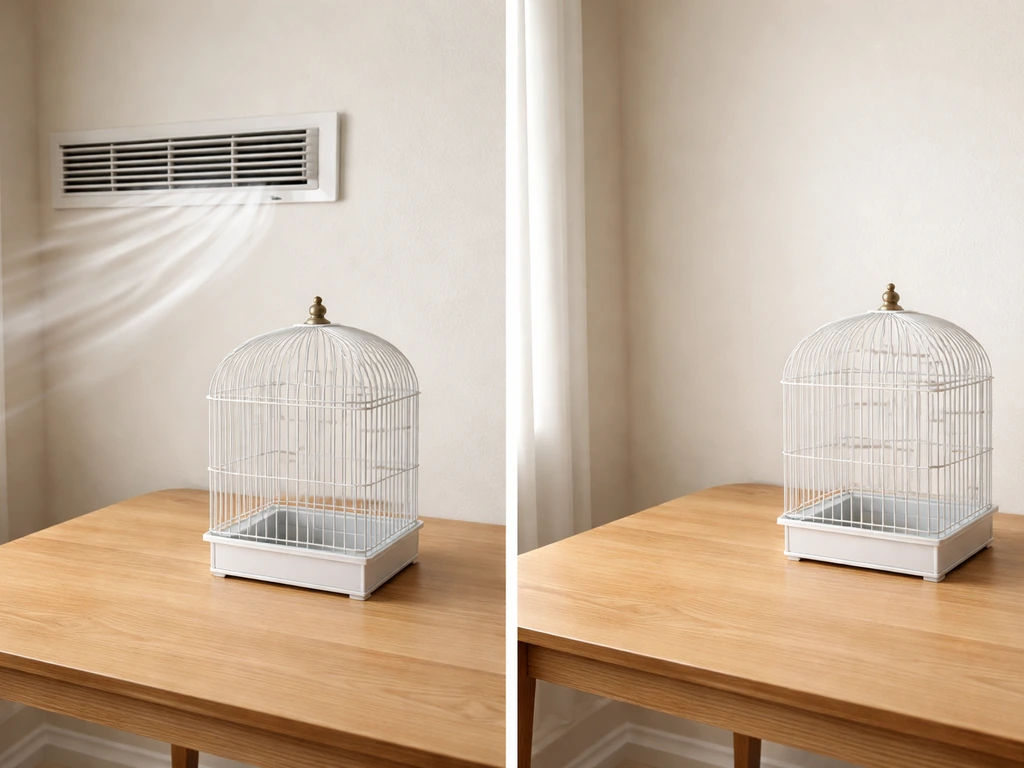
Birds are sensitive to temperature changes, and drafts are a common overlooked trigger. An air conditioning vent blowing directly on the cage, an open window, or a sudden cold snap can cause a bird to vocalize and fluff its feathers. Check whether the cage is in a draft-free location and that the room temperature is comfortable and stable. A bird that's too cold will often cry in a soft, plaintive way alongside fluffed feathers.
Sleep deprivation and light disruption
Birds need 10 to 12 hours of uninterrupted darkness to sleep properly. Too much light, noise at night from televisions or street lights, or an inconsistent sleep schedule can make a bird irritable, anxious, and more prone to distress vocalizations. Why is my bird chirping so much? If the chirping is frequent but your bird seems otherwise normal, it is often related to attention, routine changes, or sleep and light disruption sleep schedule. If your bird is crying more in the mornings or late evenings, look at whether its sleep schedule is being disrupted. Covering the cage at a consistent time each night and uncovering it at the same time each morning makes a real difference.
Hunger, thirst, and diet issues
A bird that's hungry or thirsty will vocalize for attention. Check the food dish. Sometimes seeds settle at the bottom or a dish looks full of husks when it's actually empty of nutritious food. Make sure fresh water is available and clean. Birds on incorrect diets, especially those eating mostly seed without fresh food, can experience deficiencies that affect behavior and mood over time.
Pain, injury, and comfort triggers
Birds instinctively hide pain, but crying or unusual vocalizations can be one of the few ways they signal that something hurts. If your bird is crying more than usual and you can't link it to any behavioral or environmental cause, pain or physical discomfort is worth considering.
Look for any visible signs of injury: a drooping wing, a leg held at an unusual angle, swelling anywhere on the body, or bleeding. Even if you don't see an obvious injury, internal pain from digestive problems, reproductive discomfort, or a damaged foot from a poorly designed perch can all cause a bird to cry persistently. Female birds can experience significant discomfort from egg binding, which can present as straining, abdominal distension, and labored breathing alongside distress vocalizations. If you have a female bird and suspect egg binding, that is a veterinary emergency.
Feather and skin discomfort is another often-missed trigger. A pin feather (a new feather still growing in with a blood supply) in a spot the bird can't reach can be intensely irritating. Mites or other skin issues can also cause a bird to cry while moving restlessly or scratching at itself. If the bird seems to be crying and simultaneously trying to reach a specific spot, look closely at that area.
Health red flags connected to crying
Crying on its own doesn't confirm illness, but crying combined with any of the following signs means you should contact an avian vet today rather than waiting to see if things improve.
| Sign to watch | What it may indicate | Urgency level |
|---|---|---|
| Tail bobbing at rest | Respiratory distress | Call vet immediately |
| Open-mouth breathing at rest | Respiratory distress, heat stress, or pain | Call vet immediately |
| Fluffed feathers + lethargy | Illness, chills, fever | Call vet same day |
| Sitting on cage floor | Weakness, serious illness | Call vet immediately |
| Change in droppings (color, consistency, volume) | Infection, GI problem, dietary issue | Call vet same day |
| No food or water intake for 12+ hours | Illness, pain, or severe stress | Call vet same day |
| Audible breathing sounds (wheezing, clicking) | Respiratory infection or blockage | Call vet immediately |
| Vomiting or repeated regurgitation | Crop infection, blockage, or viral illness | Call vet immediately |
| Swollen abdomen or straining at vent | Egg binding, constipation, or GI problem | Call vet immediately |
| Discharge from eyes or nostrils | Respiratory or systemic infection | Call vet same day |
Droppings are one of the most reliable health indicators in birds. Normal droppings have three parts: a solid dark green or brown fecal component, white urates, and clear liquid urine. If the fecal part is yellow, lime green, tarry black, or bloody, or if the urates are yellow or green instead of white, take note and contact a vet. A bird that's been crying and has abnormal droppings needs professional evaluation, not a wait-and-see approach.
What to do right now at home
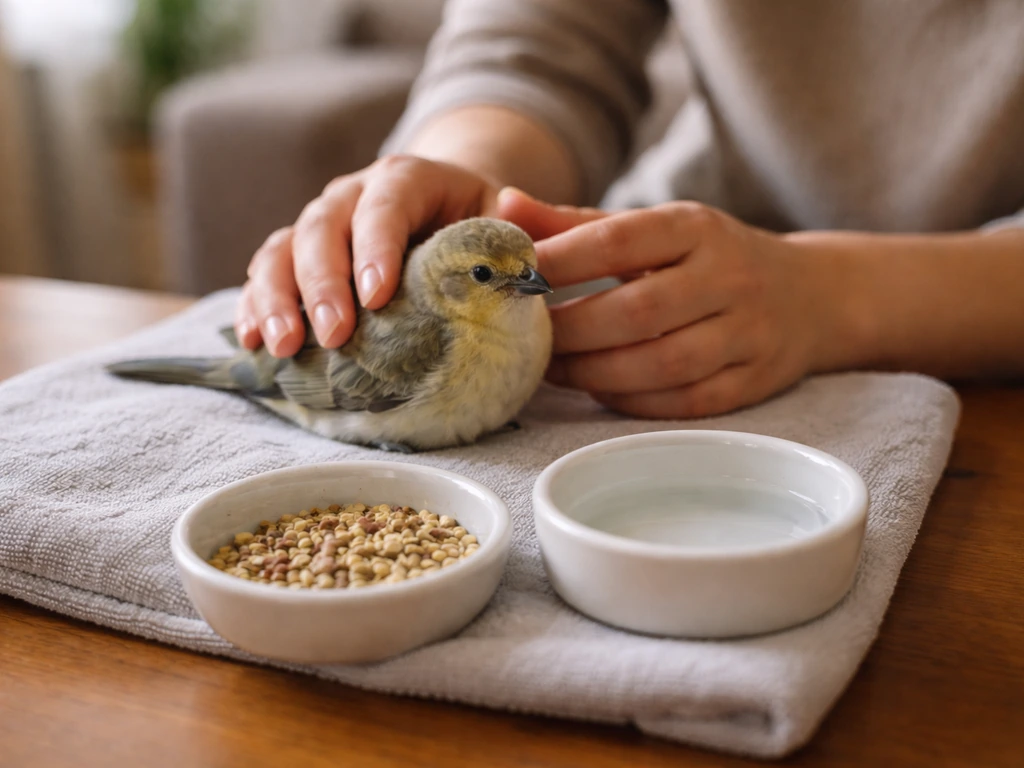
If your bird is crying and you've checked for emergency signs (none of those red flags above are present), here's a practical sequence to work through right now.
- Check food and water first. Make sure both are fresh, accessible, and actually available (not just husks in the dish). Offer a small piece of fresh food if you're not sure when the bird last ate.
- Check the temperature and location. Is the cage in a draft? Too cold or too warm? Ideal room temperature for most pet birds is between 65 and 85 degrees Fahrenheit. Move the cage if necessary and observe whether the bird settles.
- Reduce stimulation. If there's loud noise, a new animal nearby, or unusual activity, remove those stressors or move the bird to a quieter space for a short period.
- Spend calm, quiet time near the bird. Don't try to force interaction. Just sit near the cage, speak softly, and let the bird see you. For birds that are flock-calling, your calm presence often reduces the vocalization noticeably within a few minutes.
- Check for visible injury or physical discomfort. Look at the feet, wings, vent area, and eyes. Note anything that looks unusual.
- Assess the droppings. Look at the cage floor or liner and note color, consistency, and volume compared to normal.
- Note the time, behavior, and any changes in the past few days. When did this start? Is it constant or intermittent? Has anything changed in the home, diet, or schedule? Write this down.
- Warm the bird if it seems cold or fluffed. If the bird looks chilled (fluffed, not moving much, sitting low), raise the room temperature slightly or move the cage to a warmer spot. Avoid placing heat sources directly on the cage.
If after these steps the bird seems calmer, is eating and drinking, and the physical signs look normal, monitor it closely over the next few hours and keep notes. If nothing improves within a couple of hours, or if the crying is intense and persistent, move to contacting a vet.
When it's an emergency: call an avian vet now
Some situations don't call for a wait-and-see approach. If your bird is showing any of the following, treat it as a medical emergency and contact an avian-experienced veterinarian or emergency animal clinic immediately.
- Open-mouth breathing at rest that doesn't stop within a minute or two
- Tail bobbing with each breath at rest
- Audible wheezing, gasping, or clicking sounds
- Blue or gray discoloration of the skin or beak
- Collapse or inability to grip the perch
- Sitting on the cage floor and unresponsive to your presence
- Suspected egg binding (straining, swollen abdomen, labored breathing in a female bird)
- Severe vomiting or repeated regurgitation with weakness
- Crop that is visibly distended and the bird is weak or hard to rouse
- Blood around the vent, prolapsed tissue, or active bleeding
While you're preparing to transport your bird, keep the environment dark, quiet, and warm. Use a small carrier or a covered box. Place a heating pad set to low under half of the carrier (so the bird can move away from the heat if needed), or use a warm water bottle wrapped in a towel. Do not put the heating source directly against the bird. Cover the sides of the carrier with a towel to reduce stress and keep the bird calm. On the way to the vet, keep the car quiet and skip the radio. Birds in respiratory distress need free chest movement to breathe, so avoid anything that puts pressure on the body.
If you don't already have an avian vet, search for "avian veterinarian" or "bird vet" in your area and call ahead to confirm they see birds. Not all general vets have avian experience, and for serious illness, that experience matters. Many avian vets also offer phone triage guidance before you come in, so a call to describe the symptoms is always a reasonable first step.
How to track symptoms and prepare for a vet visit
If your bird is heading to the vet, being organized before the visit saves time and helps the vet make a better assessment. Here's what to do before and during the visit.
- Record the vocalizations. Use your phone to record a short video of the crying behavior, especially if it happens at specific times. A vet who can hear the sound and see the posture has much more to work with than a verbal description.
- Write down when the crying started, how often it happens, and what seems to trigger or stop it.
- Note any changes in the past 1 to 2 weeks: new food, new toy, schedule change, new household member, temperature shift, or anything else different in the environment.
- Collect a fresh fecal sample if the vet requests one. Many avian clinics ask for this. Use a clean piece of wax paper or the cage liner and place a fresh dropping in a clean container. Check with your clinic on their specific preferences.
- Bring a sample of the bird's current diet: the seed mix, pellets, or fresh foods it's been eating. This helps the vet assess nutritional factors.
- List any products used near the bird: candles, air fresheners, cooking sprays, cleaning products, or recently applied paints or finishes. Fumes and toxins are a real risk for birds and the vet will want to rule this out.
- Write down the bird's approximate age, species, sex (if known), and whether it has had any previous health issues or vet visits.
Coming in prepared means the vet spends less time gathering history and more time assessing your bird. It also helps you feel less stressed in the moment, because you have something concrete to hand over. Even if the issue turns out to be minor, having these notes means you've ruled out the serious possibilities methodically rather than by guessing.
Most crying in pet birds has a behavioral explanation and responds well to simple changes in routine, attention, environment, or sleep schedule. If your bird freaks out at night, it can be a sign that lighting or routine is stressing them, so double-check the sleep schedule and night environment. But the physical signs are what tell you when it's something more. Trust what you're observing, run through the checks above, and when in doubt, call your avian vet. A quick phone call to describe the symptoms often tells you within minutes whether this needs an emergency visit or just a few adjustments at home.
FAQ
How can I tell the difference between contact-calling and distress when my bird is “crying”?
Use the “rest of the bird” test. If vocalizing stops or softens when you respond, and your bird stays alert with normal breathing (no open-mouth gasping), perching, and posture, it is more likely flock communication. Distress is more concerning when the sound is persistently new, unusually harsh, or paired with physical changes like fluffed feathers that do not settle, abnormal droppings, or reduced activity.
My bird cries when I leave the room, but it’s also fluffed. Is that still normal?
Fluffing can happen with anxiety, heat discomfort, or cold, but persistent fluffed posture plus other red flags changes the situation. If your bird is fluffed but otherwise breathing quietly, holding balance normally, and has normal droppings, try environmental fixes first (draft-free cage, stable temperature, more engagement before you leave). If you also see labored breathing, swollen abdomen, bleeding, or abnormal droppings, contact an avian vet rather than assuming it’s only separation stress.
What should I check first if my bird is crying and I cannot tell why?
Start with a 60 second observation without moving the bird: body posture, breathing style (beak closed versus open-mouth), activity level, and whether droppings have changed. Then quickly scan for specific injury or discomfort clues like one-sided limping, a drooping wing, or a bird repeatedly trying to reach the same spot. This order helps you avoid spending time on routine triggers while missing an injury or illness.
If the crying happens at night or early morning, what’s most likely causing it?
Night vocalizing often tracks sleep disruption, too much light, noise, or an inconsistent bedtime. Confirm your bird gets 10 to 12 hours of uninterrupted darkness, and check for streetlights, TVs, or moving lights near the cage. If the bird wakes and calls but remains otherwise normal, consider routine and lighting changes first. If there is gasping, visible weakness, or abnormal droppings, treat it as medical and call a vet.
Could diet-related issues make my bird cry more?
Yes, but usually over time rather than overnight. If your bird is mostly seed with little fresh food, deficiencies can affect mood and behavior, which may increase attention-seeking vocalizations. Make sure fresh water is actually being offered in a usable dish, and verify the seed amount is not mostly husks. If crying is sudden or comes with droppings changes, do not rely on diet alone.
My bird’s crying started after I changed something in the home. How long should I wait before calling a vet?
If the change was environmental (new furniture location, guests, rearranged cage, loud noise, new schedule), you can often correct the trigger and reassess within a few hours, especially if the bird stays alert and breathing is normal. However, if crying is intense, persistent beyond a couple of hours, or you notice abnormal droppings or any injury signs, call an avian vet sooner rather than waiting for the full day.
Is a heating pad safe to use while I’m waiting for a vet appointment?
It can be, but only indirectly. Place a heating pad under half of a covered carrier so your bird can move away, and keep the pad on low. Do not put the heat source directly against the bird, and cover the carrier sides to reduce stress. If your bird is breathing with its mouth open, looks very weak, or appears in respiratory distress, prioritize emergency transport and avoid warming that delays care.
Can mites or skin irritation cause crying without obvious wounds?
Yes. Some skin issues cause targeted scratching, restless shifting, or repeatedly reaching one specific area, even if you do not see bleeding. If the crying coincides with scratching, preening a particular spot, or visible flaking or irritation around feathers, examine that area and contact an avian vet for proper diagnosis, since mites require specific treatment.
What droppings changes are serious enough that I should contact a vet the same day?
Any persistent abnormality is a red flag, especially fecal colors like yellow, lime green, tarry black, or blood, and urates that are yellow or green instead of white. If droppings change while your bird is crying or acting off, treat it as illness that needs prompt evaluation, not a wait-and-see approach.
Should I reduce attention to stop crying if my bird seems healthy?
Often the goal is not to remove attention, but to provide the right type and timing. For contact-calling, short, regular interaction sessions and engagement before you leave can reduce the intensity. If you always rush in the moment your bird cries, your bird may learn that crying reliably brings interaction, so use a calm check-in and then address the underlying need (toys, foraging, routine, and sleep consistency).
Next Article
Why Does My Bird Scream in the Morning? Causes and Fixes
Learn why your bird screams at sunrise, how to troubleshoot triggers, and when it signals pain or illness.