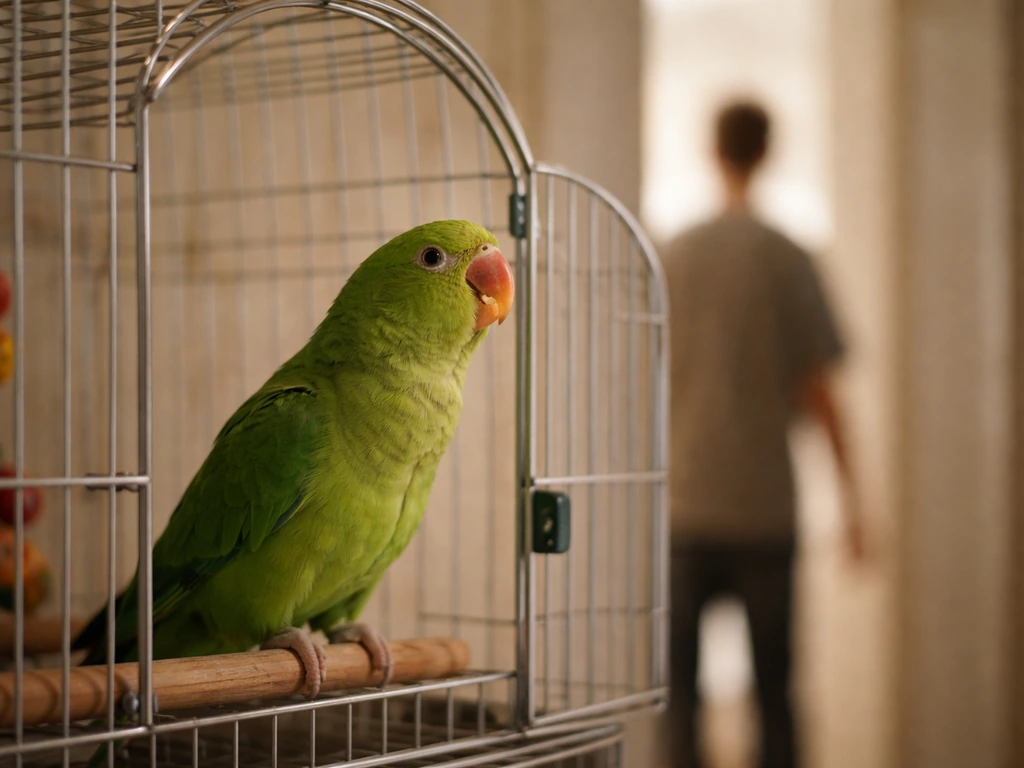
Your bird is squawking so much most likely because something in their environment, routine, or social world is off. If your bird especially screams in the morning, the same triggers like sleep, boredom, and routine changes can help explain it why does my bird scream in the morning. The most common culprits are not enough sleep, boredom, attention-seeking, a recent change at home, or hormonal behavior during breeding season. Less often, excessive squawking is a health signal. Most of the time you can narrow down the cause in an afternoon by working through a short checklist, but a few specific signs mean you should contact an avian vet today without waiting.
Why Is My Bird Squawking So Much? Troubleshooting Steps

Marcus Chen
30 Apr 2026
Normal vs excessive squawking: how to tell the difference

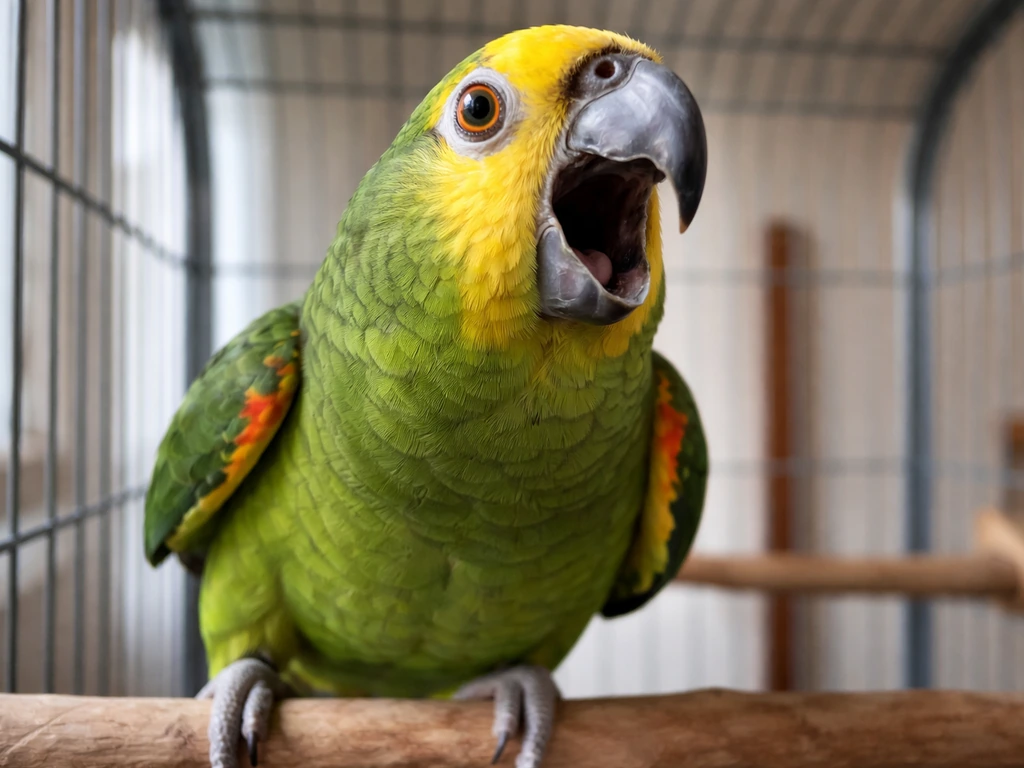
All parrots and most pet birds squawk. Morning contact calls, excited chatter when you come home, flock-bonding noises, and a burst of noise at dusk are completely normal. If your bird is loud for 10 to 20 minutes at dawn, again when the household stirs, and then settles into conversation and play throughout the day, that is just a bird being a bird.
The pattern you want to pay attention to is squawking that is new, more intense than usual, goes on for long stretches without the normal quiet breaks, or sounds different from your bird's typical calls. A bird that was reliably calm and is now screaming most of the day, or one that wakes up squawking in the middle of the night, is telling you something has changed. That shift is your signal to start looking.
- Normal: contact calls in the morning and at dusk, excited vocalizing when you enter the room, chatty noise during play
- Normal: brief loud calls when something startles them, then quick return to calm
- Worth investigating: loud squawking that lasts most of the day, especially if it's new
- Worth investigating: nighttime squawking or waking and calling repeatedly
- Worth investigating: squawking that sounds panicked, distressed, or unlike their usual voice
- Red flag: squawking combined with any physical changes like puffed feathers, labored breathing, or tail bobbing
Quick checklist: environment, routine, and attention needs
Before you assume something is seriously wrong, run through these basics. You'd be surprised how often one of these is the entire explanation.
- Sleep: Is your bird getting 10 to 12 hours of dark, quiet sleep each night? A bird on a human schedule, staying up until midnight with the TV on, is sleep-deprived and behaviorally stressed. Even flickering TV light can disrupt their rest. Use a cage cover in a dimmed room and set a consistent bedtime.
- Cage placement: Is the cage near a drafty window, an air vent, a frequently slamming door, or a TV? Unpredictable noise and temperature swings are major stress triggers.
- Recent changes: Did you rearrange furniture, move the cage, bring home a new pet, change your schedule, or have guests staying over? Birds notice everything and react vocally.
- Diet: Was there a recent food change? Hunger, especially if a new diet is not being accepted, can cause persistent calling.
- Out-of-cage time: Is your bird getting enough direct interaction and time outside the cage each day? Most companion parrots need at minimum one to two hours of real engagement.
- Lighting: Natural light cycles matter. Irregular artificial lighting can disrupt behavior and hormones.
- Cage neighbors: If you have multiple birds, is there tension, competition, or a new dynamic happening?
Boredom, stress, fear, and social triggers
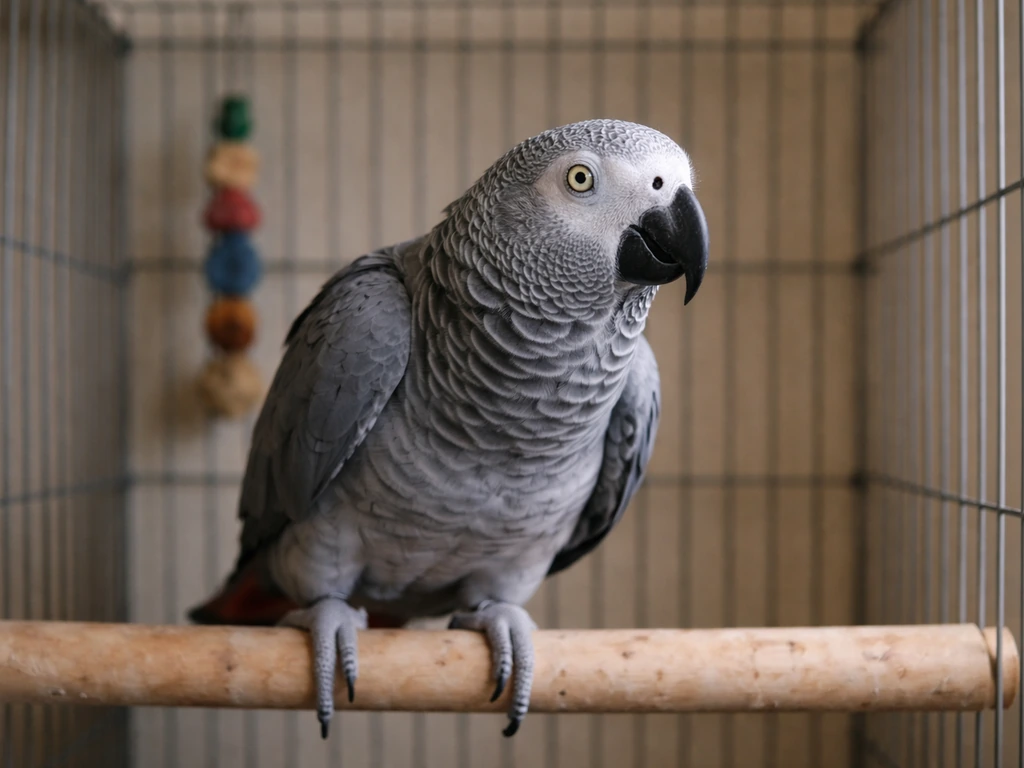
Boredom is genuinely one of the most common reasons a companion parrot squawks excessively. A bird that is intelligent, social, and under-stimulated will fill the silence with noise. If your bird's cage has the same toys in the same spots week after week, if the daily routine is predictable to the point of dull, and if you have been busy and less interactive lately, boredom squawking is very likely what you are hearing.
Stress and fear squawking sounds different from boredom. Stress vocalizations are often sharper, more urgent, and may happen in response to specific triggers: a new object in the room, a loud noise outside, another animal nearby, or even a unfamiliar person. Watch for what immediately precedes the squawking. If your bird calms within a few minutes of the trigger being removed, fear or stress is a strong candidate.
Social squawking is your bird doing what birds do: calling to their flock. You are their flock. If you leave the room or the house, many birds will call for you repeatedly. This overlaps with what is sometimes described as screaming for attention or separation distress. If the squawking reliably starts when you walk away and stops when you return, that is a social or bonding behavior rather than a health concern. It is worth noting that excessive morning squawking and night-fright vocalizations are addressed in more detail in companion topics, since those patterns have their own specific causes and solutions.
Hormones and seasonal or mating-related behavior
If your bird is between about two and six or more years old (depending on species), and the squawking has ramped up alongside other behaviors like regurgitating food for you, becoming territorial about their cage, seeking dark enclosed spaces, or acting unusually aggressive, hormones are a very likely cause. This typically happens in spring and sometimes fall, triggered by longer days and increased light exposure.
Hormonally driven squawking is often louder, more persistent, and directed. Your bird may be calling for a mate, defending territory, or trying to establish dominance. The good news is that this is not a health problem in itself, and it is usually seasonal. You can help by reducing hormonal triggers: limit petting to the head and neck only (avoid touching the back or under the wings), reduce high-fat foods like nuts and seeds during this period, and try to normalize the light schedule so they are not getting more than 10 to 12 hours of light per day.
Possible health causes tied to loud calls
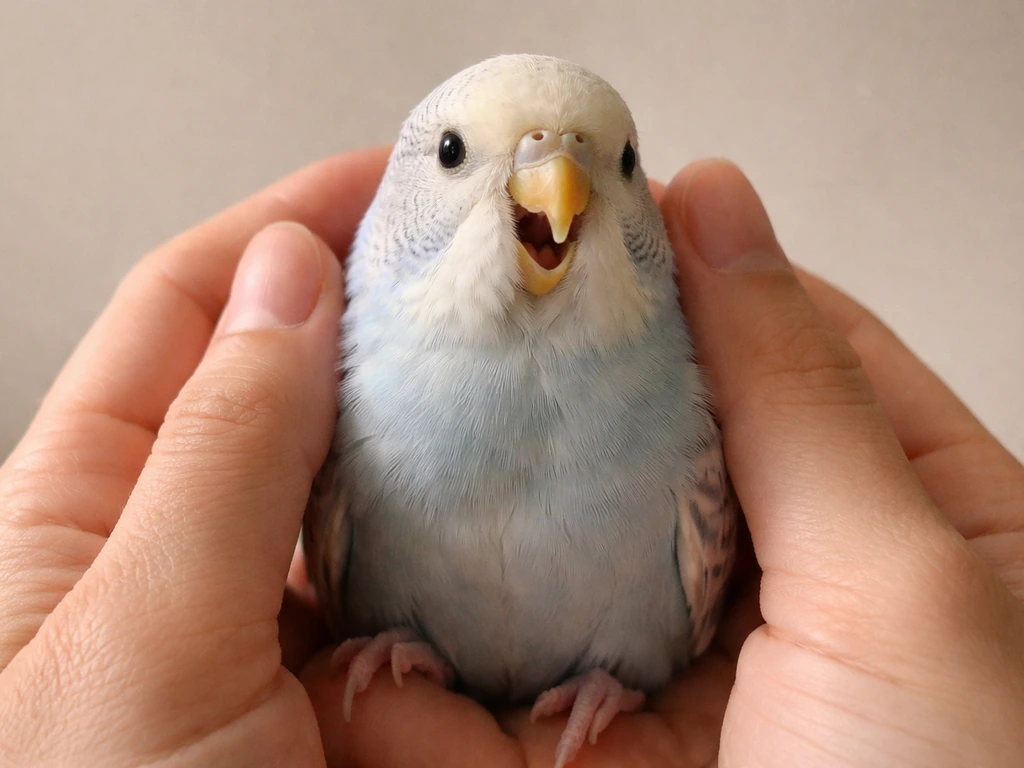
Sometimes a bird squawks more because something hurts, itches, or feels wrong internally. Birds are instinctively wired to hide weakness, so by the time a health issue causes obvious symptoms, it can already be fairly advanced. This is why changes in vocalization combined with any physical changes should always be taken seriously.
Respiratory problems are one category where vocalization can be involved. A bird with irritation or infection in their respiratory tract may squawk or call more, and you might also notice sneezing, nasal discharge, wheezing, a wet-sounding voice, or labored breathing. blank" rel="noopener noreferrer">Tail bobbing, where the tail pumps up and down with each breath, is a significant sign of respiratory effort and needs prompt veterinary attention. Open-mouth breathing at rest is considered very serious and warrants same-day contact with an avian vet.
Gastrointestinal discomfort can also drive restless, unusual squawking. If you notice vomiting, regurgitation that does not look like the social regurgitation birds do for bonding, or a swollen or distended crop that does not empty normally, those are signs that need veterinary evaluation. If a crop is distended with fluid and shows no motility, it needs immediate veterinary attention a fluid-filled, distended crop that does not empty normally. A crop that seems full and stays full, or has a fluid-filled look, is not something to wait on.
Pain from an injury, skin irritation, or internal discomfort can also produce persistent, different-sounding vocalizations. Watch for your bird guarding a specific body part, sitting in an unusual position, or reacting to being touched in a specific area.
What to do today: troubleshooting steps and a vocalization log
Start by ruling out the simple stuff right now. Make sure your bird has food, fresh water, and is not too hot or too cold. Check whether the cage has been disturbed or is in an unusually loud or active spot today. Look at your bird physically: are they sitting normally, bright-eyed, and alert? Or are they puffed up, sitting at the bottom of the cage, or looking hunched?
Then start a basic vocalization log. You do not need anything fancy, just notes on your phone or a piece of paper. Track when the squawking happens, what seems to trigger it, how long it lasts, and anything different you notice in their posture, droppings, eating, or activity level. Even two days of this gives you a much clearer picture, and it is genuinely useful information if you end up calling a vet.
- Check food, water, temperature, and immediate environment first
- Observe your bird's posture and physical appearance for one to two minutes before reacting
- Note the time and approximate duration of squawking episodes
- Note what happened right before the squawking started
- Record any physical changes: droppings (color, consistency, amount), appetite, activity, feather position
- Review the environment checklist above and make one or two adjustments today if something stands out
- If boredom seems likely, rotate toys, add a foraging activity, or spend 15 extra focused minutes with your bird
- If sleep seems like the issue, implement a cover and consistent bedtime tonight and track whether it helps over the next three days
The vocalization log also helps you distinguish between a bird that is genuinely squawking all day and one that has a few loud bursts you have been noticing more because you are now listening for them. Both are useful things to know.
When to call an avian vet: red flags and urgency
Most squawking is behavioral and manageable at home. But certain combinations of signs mean you should contact an avian vet today, not after the weekend, not after seeing if it gets better. Birds can deteriorate quickly once they stop hiding illness, so acting early matters.
Contact an avian vet immediately if you see any of the following alongside the squawking:
- Open-mouth breathing at rest
- Tail bobbing with every breath (rhythmic pumping of the tail)
- Wheezing, clicking, or wet-sounding breathing
- The bird is sitting at the bottom of the cage
- Puffed up, hunched, or unable to hold a normal perching posture
- Obvious weakness or inability to grip the perch properly
- Swollen or distended crop that does not empty
- Vomiting or regurgitation that is not normal bonding behavior
- Blood anywhere on the bird or in the cage
- Sudden complete loss of appetite combined with lethargy
- Squawking that sounds like it is coming from a place of pain rather than communication
As a general rule: any time your bird's behavior or physical condition changes noticeably from their normal baseline, that is worth a call to your avian vet. You know your bird better than anyone. If something feels wrong beyond just the squawking, trust that instinct and get a professional opinion. A quick phone call to describe what you are seeing is always worth it, and most avian vets will help you triage over the phone to decide how urgently you need to come in.
If the squawking is clearly behavioral and you have ruled out health concerns, give your adjustments about a week to show results. If the screaming seems out of character, it is also helpful to review common behavioral causes for bird screaming for no clear reason. Consistent sleep schedules, enrichment changes, and routine improvements take a few days to make a real difference. Keep your log going so you can see whether things are trending better, staying the same, or getting worse.
FAQ
How can I tell if the squawking is attention/social behavior or something painful?
If the squawking starts right after you enter, peaks with your arrival, and then settles when the room is calm, it is often social calling or excitement rather than pain. A key clue is whether your bird also shows “off” body language at the same time, like hunched posture, puffing up, tail bobbing, open mouth breathing, nasal discharge, or sudden changes in droppings or appetite.
My bird squawks at similar times every day, when is that still normal?
Yes. Many birds “call” for short periods at predictable times, but new patterns are the warning flag. A practical test is to compare with your notes from last week: if the vocalization is louder, lasts longer, happens at new times, or sounds different from their usual repertoire, treat it as “new” and investigate triggers and health signs.
What should I change first if I suspect the cause is boredom, stress, or routine problems?
Avoid changing multiple things at once. Pick one adjustment for a week, for example tightening the sleep schedule, adding one new foraging toy, or reducing lighting exposure if hormones seem likely. When you adjust everything together, it becomes hard to know what helped (or made it worse).
How do I figure out whether something outside the cage is scaring my bird?
If your bird calms within a few minutes after the trigger stops, that points toward fear or stress (for example, a loud TV volume, a vacuum, a new visitor, or another pet nearby). If the bird stays worked up for long stretches even after the trigger is gone, widen the search to health issues, since persistent distress can also come from respiratory or pain problems.
What should I track in my vocalization log to make it useful for a vet?
Use a simple log that includes time, what happened immediately before (you walked away, another animal appeared, the house got noisy), how long it lasted, and any physical notes. Add one extra field that is often missed, droppings and appetite that day, because changes there can move the issue from behavioral to medical quickly.
How long should I wait to see results after adjusting sleep, enrichment, or routine?
A week is a reasonable window only if the squawking is clearly behavioral and the bird looks and acts normal. If any physical or behavior red flags appear, shorten the timeline to same day or next available appointment. Also, if the squawking is escalating day over day despite consistent changes, do not wait a full week.
My bird screams when I leave the room, is that necessarily separation distress?
If the squawking happens specifically when you leave and stops when you return, that usually indicates bonding or separation distress rather than a random health problem. Still, rule out illness first if the bird also shows hunched posture, labored breathing, abnormal droppings, vomiting or unusual regurgitation, or guarding behavior.
What signs suggest hormones, and when should I still call a vet during breeding season?
For hormonally driven periods, the article’s timing and behaviors are clues, but also watch for territorial behavior around the cage, repeated mounting or mating-like gestures, and directed chasing or guarding. If the bird is escalating fast or injuring itself while being aggressive, contact an avian vet, even if the season seems like the cause.
Which breathing-related symptoms with squawking mean it is an emergency?
If open-mouth breathing, tail bobbing with each breath, wheezing, wet-sounding calls, nasal discharge, or obvious breathing effort occurs, treat it as urgent. Birds can worsen quickly once they stop hiding illness, so do not rely on home observation for a respiratory issue, seek avian care the same day.
What are common mistakes people make when trying to reduce a bird’s squawking?
Do not use distractions, yelling, or scolding as a first-line “fix.” If you reward squawking by giving attention at the peak, you can accidentally reinforce it. Instead, aim for calm responses, then increase attention and training when the bird is quiet, while also addressing the underlying trigger like sleep, boredom, or fear.
Next Article
Why Does My Bird Scream When I Leave or Enter?
Learn why your bird screams when you leave or enter, how to spot triggers, and steps to reduce it safely.