
A bird opening and closing his mouth can be completely normal or a genuine emergency, and the difference usually comes down to context and a few extra symptoms. If it's happening occasionally, lasts only a second or two, and your bird is otherwise acting fine (eating, alert, perching normally), it's almost certainly a benign behavior like yawning or crop adjustment. If the mouth grinding is happening often at rest with other symptoms like tail bobbing or fluffed feathers, see why open-mouth breathing can signal a respiratory emergency. If it's happening repeatedly at rest, paired with tail bobbing, fluffed feathers, lethargy, or any audible breathing noise, treat it as a respiratory emergency and contact an avian vet today.
Why Is My Bird Opening and Closing His Mouth?

Marcus Chen
25 Apr 2026
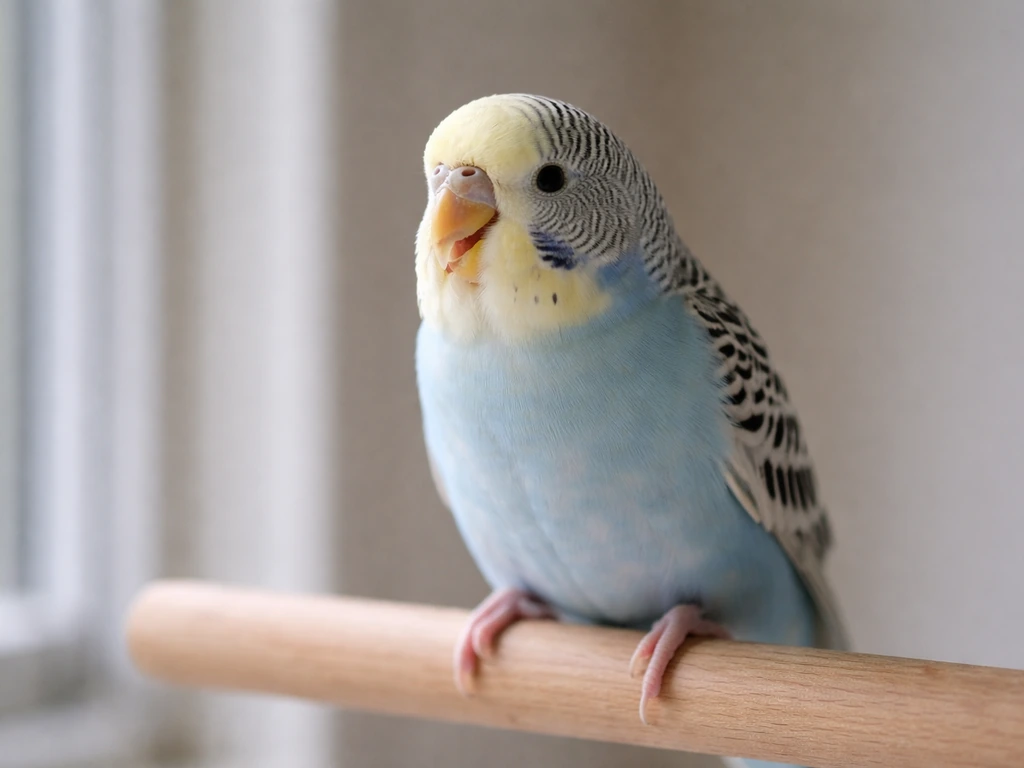
Quickly figure out if it's normal or a health sign

The fastest way to sort this out is to watch your bird for two to three minutes without disturbing him. You're looking for two things: how often the mouth is opening, and what the rest of his body is doing while it happens.
Normal mouth movements are brief, infrequent, and isolated. The beak opens and closes once or twice, then stops. Your bird continues preening, chirping, eating, or just sitting calmly. Nothing else looks off. That's almost always nothing to worry about.
The concerning pattern is sustained or repeated open-mouth breathing at rest, especially when it's rhythmic and paired with a tail that bobs up and down with every breath. That combination, open mouth plus tail bobbing, is a recognized emergency indicator. The American Association of Avian Veterinarians and multiple veterinary sources flag this specifically as a critical red flag that warrants same-day veterinary attention.
Normal reasons a bird opens and closes his mouth
There are several completely benign explanations, and most bird owners will recognize these once they know what to look for.
Yawning
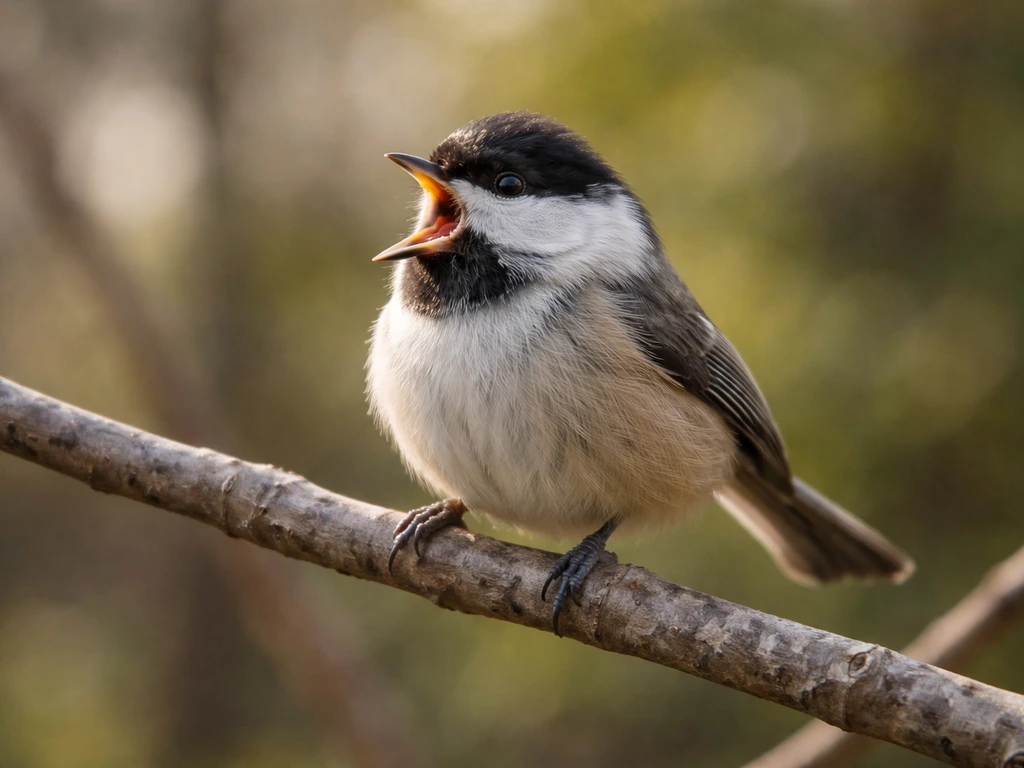
Birds yawn, just like we do. A yawn involves a wide, brief beak opening followed by a quick close. It often happens after waking up, during a relaxed moment, or after a long stretch. Budgies in particular are known to yawn when comfortable and settled. You might even notice a little panting breath alongside it. One or two yawns in a row is completely normal.
Crop adjustment
After eating, many birds will open and close or stretch their beaks as they shift food down through the crop. You might see some neck stretching or a slight gulping motion alongside it. This is especially common in parakeets, cockatiels, and other small parrots shortly after a meal. It can look a little dramatic the first time you see it, but it passes quickly.
Beak stretching and maintenance
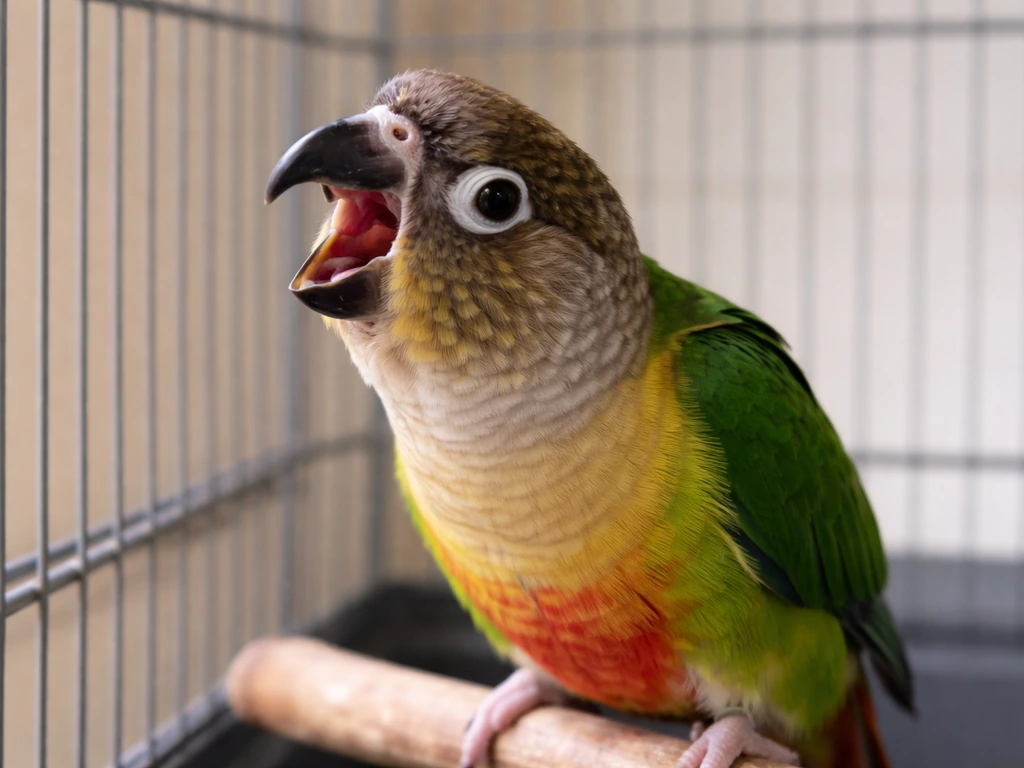
Birds also stretch their beaks the same way we stretch our jaws. They'll open wide, sometimes twist slightly, then close. This is routine beak maintenance behavior. It's related to the same category of normal behaviors as beak grinding or clicking, which you might also notice your bird doing during relaxed or sleepy moments.
Heat or mild overheating
If the room is warm, birds may briefly open their beaks to regulate body temperature, similar to panting in dogs. This is different from respiratory distress because it resolves quickly once the temperature drops, and the bird otherwise looks and acts normal. If your bird is mouth-breathing because he's hot, cooling the room or moving him away from direct sunlight usually stops it within minutes.
Attention-seeking or mimicry
Some birds, especially parrots and cockatiels, open and close their beaks as part of social communication or to get your attention. They may be trying to mimic speech sounds, practicing vocalizations, or just interacting with you. Context matters here: if your bird does it when you're nearby and then stops when you engage with him, it's behavioral.
Health causes that can make a bird mouth-breathe
When mouth opening is frequent, sustained, or paired with other symptoms, the list of possible causes shifts into medical territory. Respiratory issues are the most common culprit, but they're not the only one.
Respiratory infection or irritation
Upper and lower respiratory infections are among the most common reasons birds breathe with their mouths open. Bacteria, viruses, fungi, and parasites can all affect the airways. A bird with a respiratory infection may show nasal discharge, sneezing, wheezing, coughing, and increased effort with every breath. VCA notes that restrictions in the trachea caused by pus, mucus, or foreign material can directly trigger open-mouth breathing. If the infection is in the lower airways (lungs or air sacs), your vet will likely want chest X-rays.
Airborne toxins and fume exposure
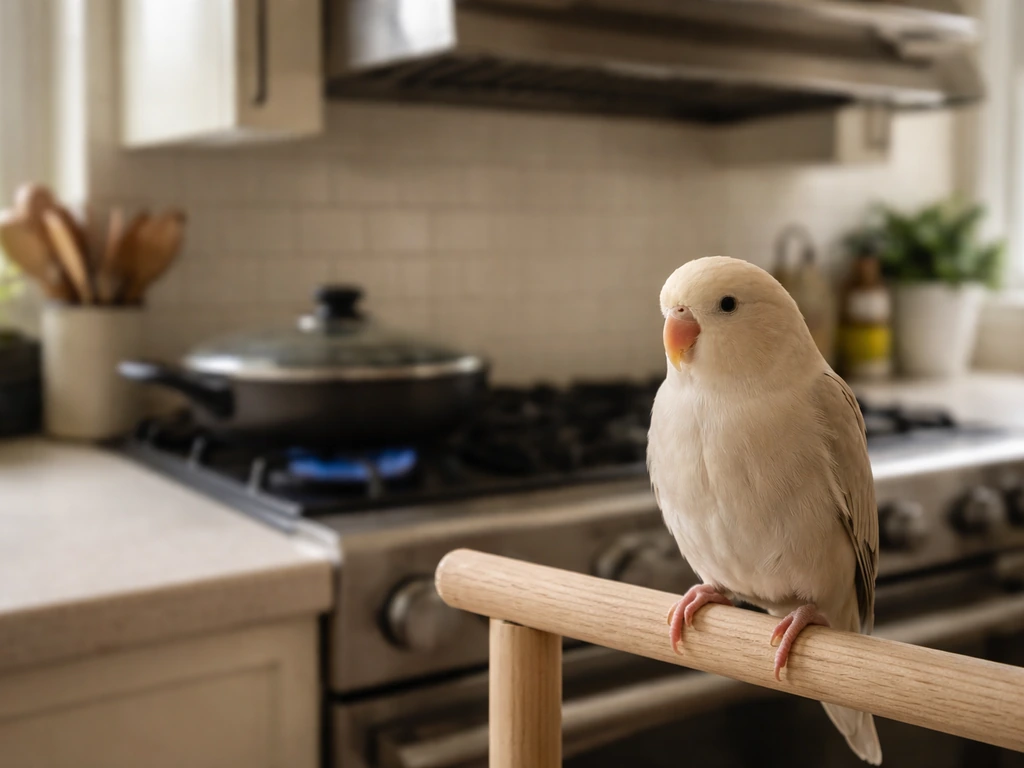
This one can escalate fast. Non-stick cookware (PTFE, commonly sold as Teflon) releases fumes when overheated that can be rapidly fatal to birds. PetMD also cautions that non-stick cookware with PTFE, sometimes marketed as Teflon, can release toxic fumes that may cause respiratory difficulty in birds blank" rel="noopener noreferrer">non-stick cookware with PTFE, marketed as Teflon. Open-beak breathing is one of the documented signs of PTFE toxicosis. Other household sources include scented candles, air fresheners, aerosol sprays, cleaning products, cigarette or vape smoke, and paint fumes. If you used any of these recently and your bird started mouth-breathing shortly after, get him into fresh air immediately and call a vet.
Heat stress
Prolonged exposure to high temperatures can push a bird from mild panting into genuine heat stress. Unlike casual warmth-related beak opening, heat stress involves a bird that looks distressed, may be holding wings away from the body, and doesn't recover quickly when moved to a cooler space.
Non-respiratory causes
Not all open-mouth breathing comes from the lungs or airways. IVIS points out that open-mouthed breathing can also occur with coelomic masses, fluid accumulation, anemia, cardiovascular disease, and egg binding. PetMD lists open-mouth breathing among signs associated with egg binding blank" rel="noopener noreferrer">open-mouthed breathing can also occur with coelomic masses, fluid accumulation, anemia, cardiovascular disease, and egg binding. These conditions put pressure on the air sacs or reduce oxygen delivery, forcing the bird to work harder to breathe. This is why a vet evaluation matters: what looks like a breathing problem on the outside might have a non-respiratory cause underneath.
Symptom checklist: what to look for and when it's urgent
Run through this checklist right now while you're watching your bird. The more items from the urgent column that apply, the faster you need to act.
| Symptom | Probably Fine | See a Vet Today |
|---|---|---|
| Mouth opening frequency | Occasional, 1–2 times, then stops | Repeated or constant at rest |
| Tail movement | Still or normal | Bobs up and down with every breath |
| Posture | Upright, normal | Fluffed, hunched, or leaning forward |
| Energy level | Active, alert, responsive | Lethargic, eyes closing, won't engage |
| Appetite | Eating and drinking normally | Not eating, ignoring food or water |
| Breathing sounds | Quiet | Wheezing, clicking, or audible effort |
| Nasal area | Clean and dry | Discharge, crusting, or wetness |
| Droppings | Normal color and consistency | Watery, discolored, or absent |
| Perching | Stable and normal | Wobbly, falling, or sitting on cage floor |
| Recent exposures | No new sprays, fumes, or temperature changes | Cooked with non-stick pan, used sprays, drafts |
If your bird has tail bobbing with every breath, that alone is enough to call an avian vet immediately. Normal resting respiratory rates for small birds (under 300 grams, like budgies and cockatiels) are roughly 30 to 60 breaths per minute. For larger birds (400 to 1,000 grams, like African greys or Amazon parrots), it's closer to 15 to 30 breaths per minute. If you count breaths and the rate seems much higher, or if each breath looks like real effort, that's an emergency.
What to do at home right now

While you assess whether a vet call is needed, there are immediate steps you can take that won't hurt and may help.
- Clear the air: Turn off any scented candles, air fresheners, cooking sprays, or aerosol products in the home. Open a window in a different room (not directly on the bird) to improve ventilation. If you cooked with non-stick cookware in the past hour, move your bird outside or to a well-ventilated area immediately.
- Check the temperature: The ideal temperature range for most pet birds is roughly 65 to 80°F (18 to 27°C). If the room is warmer than that, move the cage to a cooler, shaded spot. If it's too cold or drafty, cover three sides of the cage and relocate away from vents or windows.
- Check humidity: Very dry air can irritate airways. If you live in a dry climate or run heating systems heavily, a cool-mist humidifier placed nearby (not directly blowing on the bird) can help.
- Reduce stress: Minimize handling, loud noises, and household chaos around the bird right now. A stressed bird breathes faster and harder, which makes assessment harder and can worsen symptoms.
- Offer fresh water: Make sure clean, fresh water is accessible. A bird that's uncomfortable may not be drinking enough.
- Observe from a distance: Don't hover. Watch from a few feet away for five to ten minutes. You'll get a more accurate read on breathing rate and posture when the bird isn't reacting to you.
- Start a log: Note the time, how often the mouth opening is happening, how long each episode lasts, and anything else you notice. This information will be directly useful to your vet.
Do not attempt to give your bird any medications, supplements, or home remedies that weren't prescribed by a vet. Well-intentioned interventions can complicate diagnosis and sometimes cause additional harm.
How to track the behavior and get ready for your vet visit
The single most useful thing you can do before calling or visiting an avian vet is to record a video. Use your phone and capture the mouth-opening behavior as naturally as possible. If you are seeing beak-related noises along with open-mouth breathing, the safest next step is to compare the pattern to the warning signs and get an avian vet involved when needed mouth-opening behavior. If you are seeing beak-related noises along with open-mouth breathing, the safest next step is to compare the pattern to the warning signs and get an avian vet involved when needed mouth-opening behavior beak-related clicking or grinding is common too; see beak grinding or clicking for more context and normal versus concerning signs if you suspect your bird is doing it repeatedly or with other symptoms e.g. clicking the beak while breathing open-mouthed. A 30 to 60 second clip showing your bird at rest, with a clear view of the beak and tail, gives the vet far more information than a verbal description. Try to film from a side angle so tail movement is visible.
Beyond the video, put together a short summary to share with your vet. Include when you first noticed the behavior, how frequently it happens, whether it comes and goes or is constant, what the bird was doing when you noticed it (eating, resting, playing), any recent changes in the home (new cleaning products, cooking events, temperature shifts, new cage items), and whether any other symptoms have appeared. If you notice your bird repeatedly bashing his beak against the cage, that can be a form of stress, boredom, or mimicry and is worth discussing with your vet alongside the mouth-opening episodes.
Also note what your bird has eaten in the past 24 to 48 hours, the appearance of his droppings, and whether his weight feels normal when you hold him (a bird that feels lighter than usual may have been off food longer than you realized). This kind of detail helps a vet narrow down causes much faster.
What an avian vet will likely do
When you bring in a bird with breathing concerns, the vet's first priority is stabilization. If the bird is in acute distress, many clinics will place him in a warm, humidified oxygen chamber (typically around 80 to 85°F) before doing much else. This reduces stress on the respiratory system while the vet assesses from a distance.
Once the bird is stable enough to handle, the exam will focus on identifying where the problem originates. For upper respiratory symptoms (sneezing, nasal discharge, congestion), the vet may do a nasal flush or sinus aspirate to collect samples for testing. For lower respiratory signs (coughing, labored breathing, tail bobbing), chest X-rays to evaluate the lungs and air sacs are a common next step.
Depending on what the exam suggests, the vet may also run blood work to check for infection or anemia, culture swabs to identify bacteria or fungi, or perform additional imaging if a mass or egg binding is suspected. Treatment paths vary widely depending on the diagnosis: bacterial infections are typically treated with antibiotics, fungal infections require antifungal medications, and toxin exposures or environmental irritations are managed by removing the cause and providing supportive care.
The main takeaway is that avian vets are very good at distinguishing a yawning bird from a sick one once they can observe the bird directly and run basic diagnostics. Going in prepared with a video and a symptom log makes the whole process faster and more accurate.
The bottom line: when to act now versus wait and watch
If your bird is opening and closing his mouth occasionally, looks normal in every other way, and the behavior stops on its own within a minute or two, monitor him through the day. Check in every hour or so, note any changes, and call your vet if anything shifts.
If your bird is mouth-breathing repeatedly at rest, has tail bobbing with every breath, looks fluffed or lethargic, or you've had any recent fume or toxin exposure in the home, don't wait. Birds can decline quickly once respiratory distress sets in, and early intervention makes a real difference in outcomes. Call an avian vet or emergency animal clinic now.
FAQ
How can I tell the difference between a yawn, beak stretching, and true open-mouth breathing?
Use duration and breathing effort as your guide. Yawns and stretches are brief and stop, and the bird usually looks relaxed (normal posture, no tail bobbing, no visible chest strain). True open-mouth breathing is more sustained or rhythmic, often at rest, and may come with audible noise or increased effort with each breath.
My bird is opening his mouth only when he’s sleeping. Should I still worry?
Occasional brief mouth movements during sleep can be normal, especially if there is no tail bobbing, fluffed posture, or heavy breathing when he wakes. However, if the mouth stays open for extended periods, or he seems unable to settle and resume normal breathing after waking, contact an avian vet.
What if I can’t see tail bobbing, but I suspect breathing problems from the beak movement?
Tail bobbing is a common red flag, but it’s not the only sign. Check for other “effort” cues like fluffed feathers, sitting low or hunched, neck extension, audible wheeze or crackles, or faster-than-usual breathing while perched quietly. If multiple effort signs are present, treat it as urgent even without tail bobbing.
Is it safe to count breaths at home, and when does a higher rate become an emergency?
Yes. Count breaths for 30 to 60 seconds while the bird is calm and at rest, then scale to a per-minute estimate. If the rate is clearly above what you’d expect for your bird size, or each breath looks like real work (gasping, straining), call an avian vet the same day.
Can open-mouth breathing happen because of diet or crop issues rather than lungs?
Yes, indirectly. After eating, crop shifting and neck movement can look like mouth action, and the bird should still seem comfortable and normal overall. If you notice repeated episodes with regurgitation, sour smell, belly swelling, or weight loss, a vet should evaluate because crop stasis or aspiration can mimic respiratory signs.
My bird has no discharge or sneezing, but he opens his mouth repeatedly. What could that mean?
Absence of nasal symptoms does not rule out lower airway or systemic problems. Birds can have issues with air sacs or lung function, toxin exposure, or other non-respiratory causes like anemia or heart disease. Repeated open-mouth breathing at rest still warrants prompt avian evaluation, especially if it’s worsening.
What should I do immediately if I suspect PTFE or another fume exposure?
Move your bird to fresh air right away, away from the home area where the fumes occurred, and contact an avian vet or emergency clinic immediately. Avoid “waiting to see,” because symptoms can progress quickly after overheating cookware or strong chemical exposures.
Are there any common household items that cause open-mouth breathing besides non-stick cookware?
Yes. Scented candles, air fresheners, aerosol sprays, cleaning products, cigarette or vape smoke, and paint fumes can irritate airways or trigger toxicity. If your bird started mouth breathing soon after any of these, treat it as an exposure event and seek veterinary guidance.
Should I increase humidity or warm the room if my bird is mouth-breathing?
Do not overdo it or change the bird’s temperature aggressively. If the bird seems mildly warm, cooling and reducing stress are safer than forcing heat. If you are trying to prepare for an emergency vet visit, keep conditions comfortable and stable, and focus on getting video and calling the avian clinic.
Can I use human cough or decongestant medications if my bird seems congested?
No. Never give medications or supplements that weren’t prescribed for your bird. Bird dosing differences and ingredient toxicity (including common OTC combinations) can make matters worse and complicate diagnosis.
What details should I include for my vet besides a video?
Share the first time you noticed it, how often it happens, whether it occurs only after eating or at rest, and any audible breathing changes. Also include recent home changes in the last 24 to 48 hours (new cleaning agents, cooking events, smoke, new cage items), plus droppings appearance and whether the bird feels lighter when you hold him.
If my bird improves after moving to a cooler spot, does that rule out illness?
Not completely. Cooling can temporarily stop heat-related beak opening, but it does not rule out respiratory disease that was irritated by heat. If the mouth-breathing returns later when conditions are normal, or if you see effort signs like tail bobbing, schedule an avian exam.
Next Articles
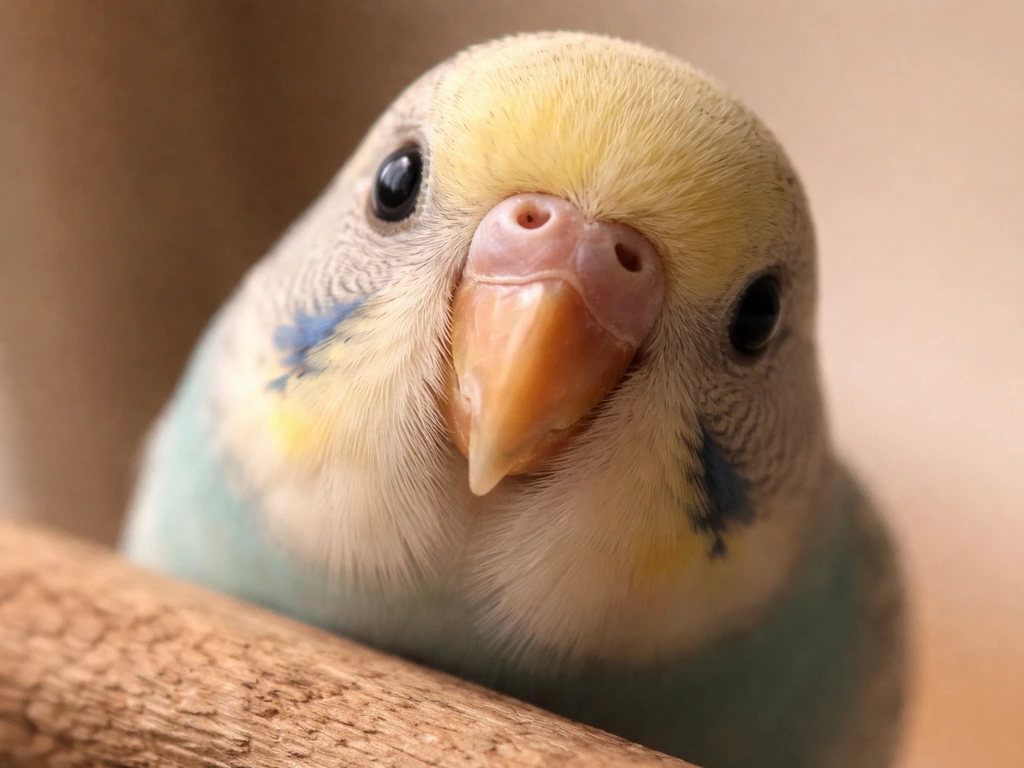
Why Is My Bird Grinding His Beak? Causes and Next Steps
Learn why birds grind beaks, how to spot normal vs pain or injury, and what to do and when to call a vet.
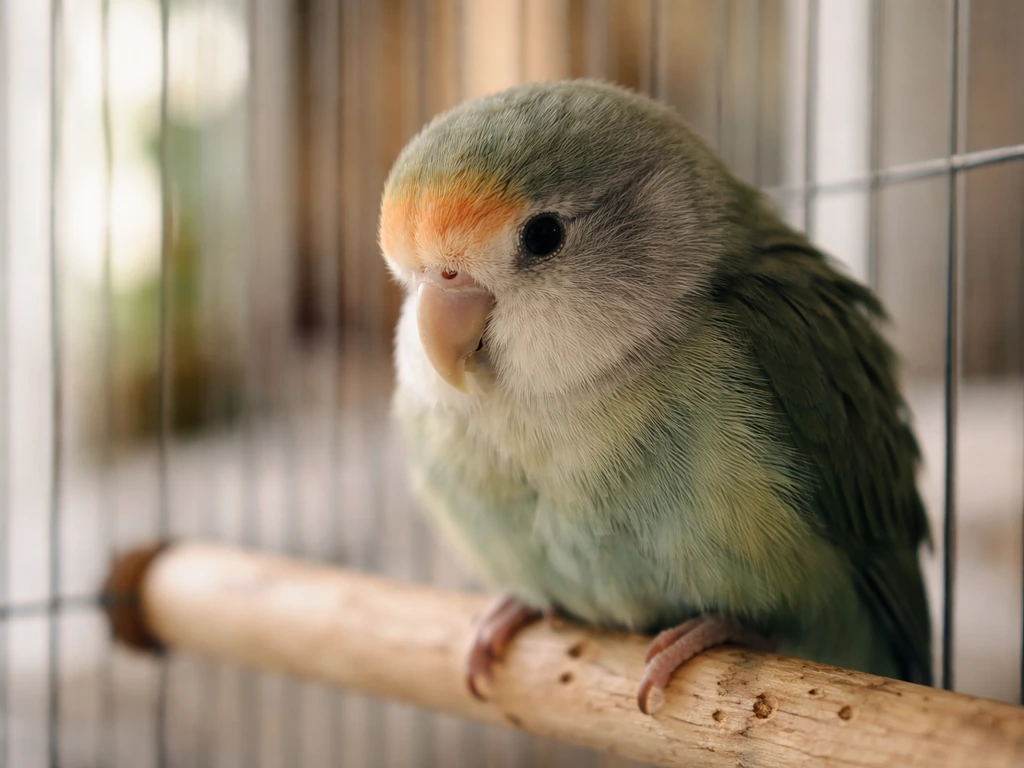
Why Is My Bird Making Whimpering Noises? What to Check
Find reasons for whimpering bird noises, quick home checks, and red flags for urgent vet care plus tracking tips.
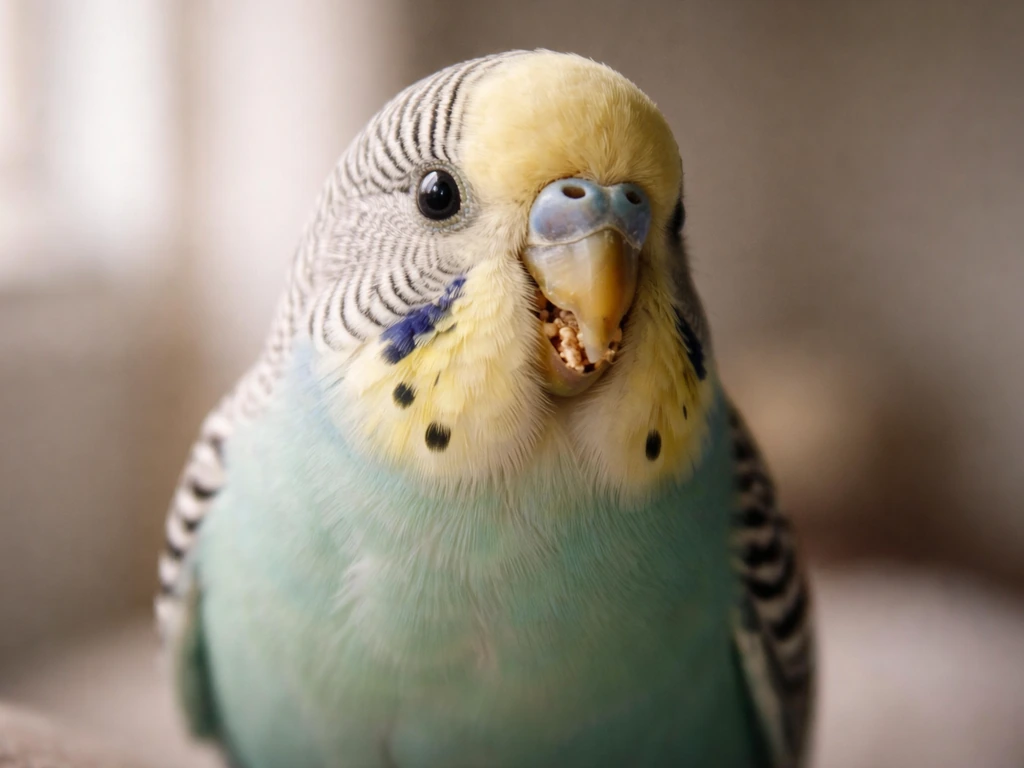
Why Does My Bird Make Crunching Noises? Causes and What to Do
Learn why your bird crunches, spot normal beak chewing vs breathing or crop issues, and what to do next.