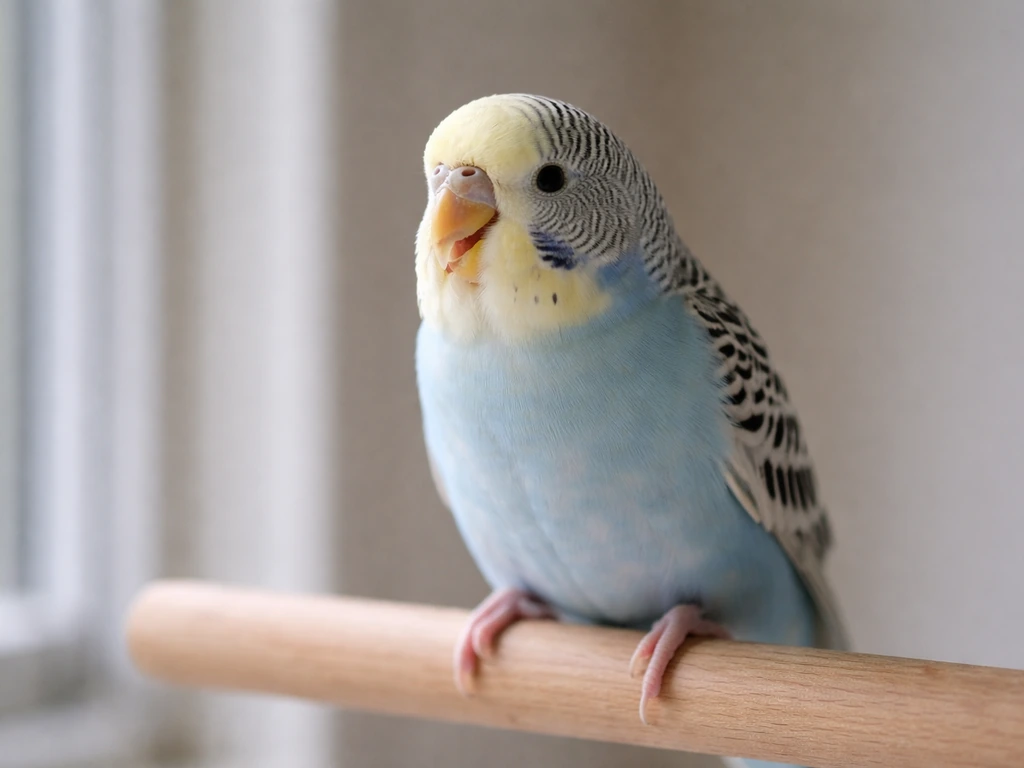
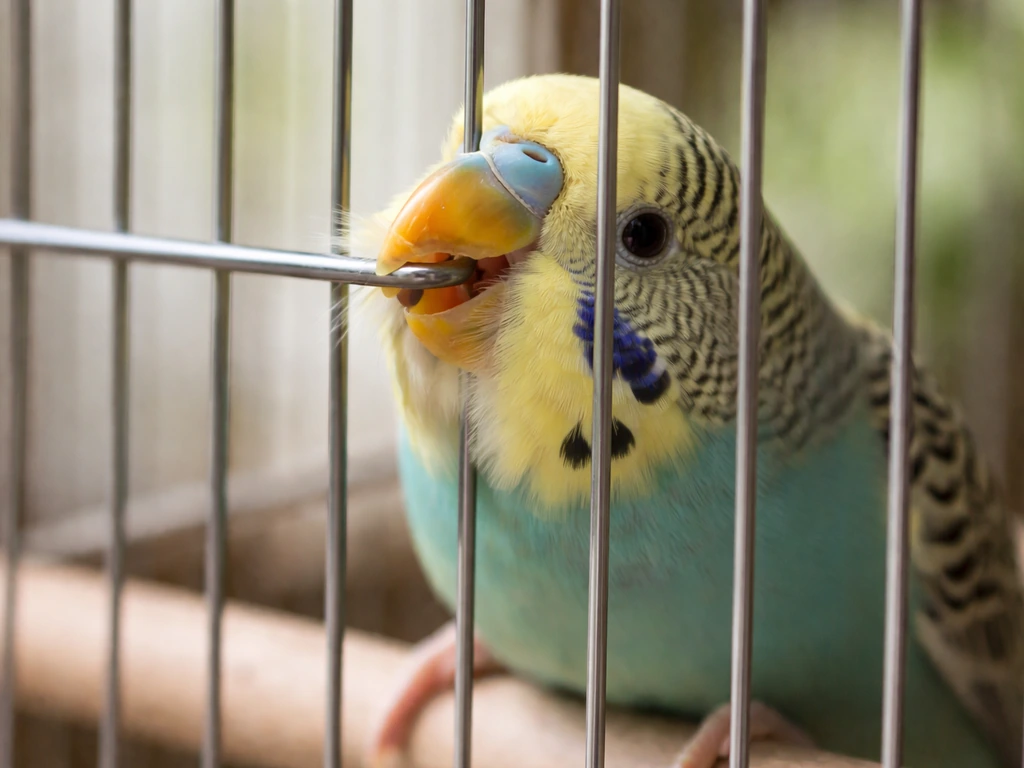
Most of the time, a bird banging his beak on the cage bars is completely normal. Birds tap, knock, and bang their beaks as a way to explore their environment, get your attention, signal boredom, wipe off food, or just make noise because they feel like it. But sometimes the same behavior points to something worth addressing, like a poorly set up cage, a beak that needs attention, or genuine discomfort. The key is knowing which one you're dealing with, and that usually takes about five minutes of careful observation.
Why Does My Bird Bang His Beak on the Cage? Causes and Fixes

Marcus Chen
29 Apr 2026
Normal reasons birds bang their beaks on the cage
Before you worry, run through this list. The majority of beak-on-cage tapping falls into one of these categories and doesn't need a fix beyond some enrichment tweaks.
- Foraging and exploration: Birds naturally use their beaks to test surfaces. Tapping cage bars is basically the same instinct that drives them to chew on branches in the wild. It's investigative, not distressed.
- Attention-seeking: If your bird bangs the cage right when you walk into the room, look away, or start eating, he's learned that noise gets a reaction. This is operant conditioning at its most bird-brained and clever.
- Wiping after eating: Many birds drag or knock their beak along bars or perches to clean off food debris after a meal. Lafeber specifically notes this as a normal post-meal behavior.
- Play and entertainment: Some birds simply enjoy the sound or the physical sensation of tapping. Cockatiels and budgies especially will do this rhythmically when they're in a good mood.
- Territory or excitement: Banging can be a way of claiming space, showing off, or expressing heightened arousal during active parts of the day.
- Pre-sleep settling: Softer beak grinding or light tapping can happen as birds wind down. This is related to the relaxed beak grinding Lafeber describes in healthy birds drifting off to sleep.
Watch the behavior before you do anything else
Timing and context tell you most of what you need to know. Spend one day tracking when the banging happens, and you'll have a much clearer picture of what's driving it.
Ask yourself: Does it happen at the same time every day, like right when you come home or just before lights out? That points to routine or attention. Does it start when you leave the room? Attention-seeking or mild separation anxiety. Does it spike after meals? Beak wiping. Is it constant and frantic, happening all day regardless of what you're doing? That's worth digging into further.
Also note the physical intensity. Light, rhythmic tapping is very different from hard, repetitive slamming. The harder and more compulsive the banging, the more seriously you should take it. And check whether your bird looks calm and alert during the behavior, or whether his feathers are fluffed, his eyes are half-closed, or he seems agitated. Body language paired with beak banging is far more informative than the banging alone.
Check the cage and environment today
A surprising number of beak-banging cases trace back to something fixable in the cage setup or the room around it. Work through these checks one by one.
Boredom and lack of foraging opportunities
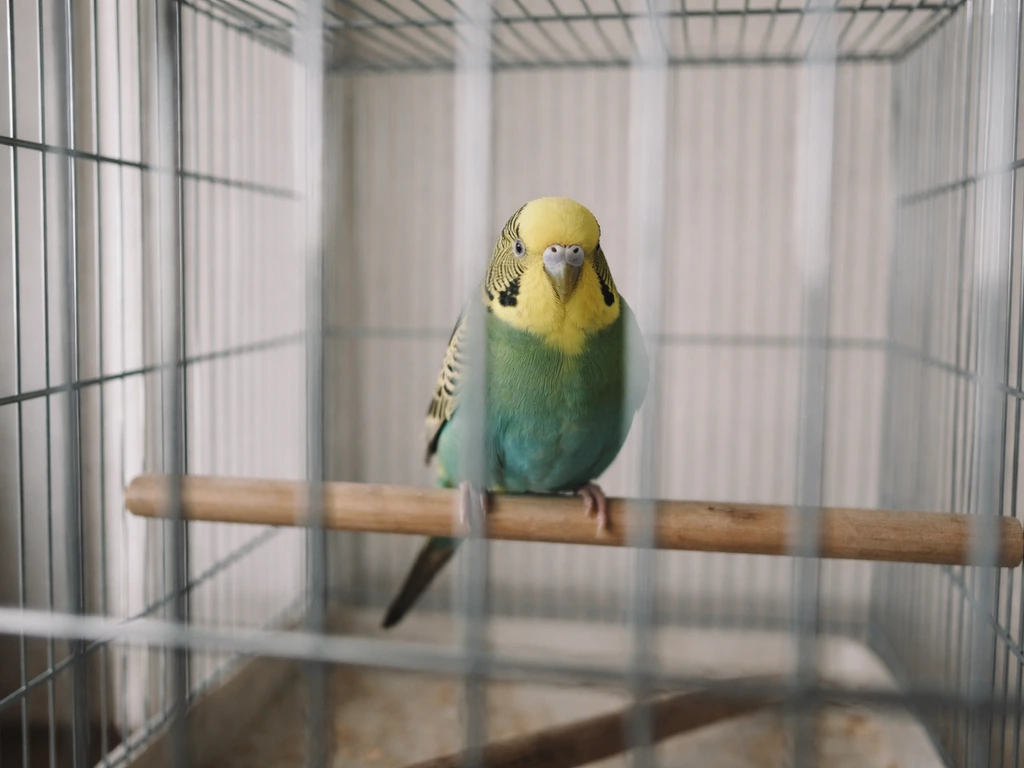
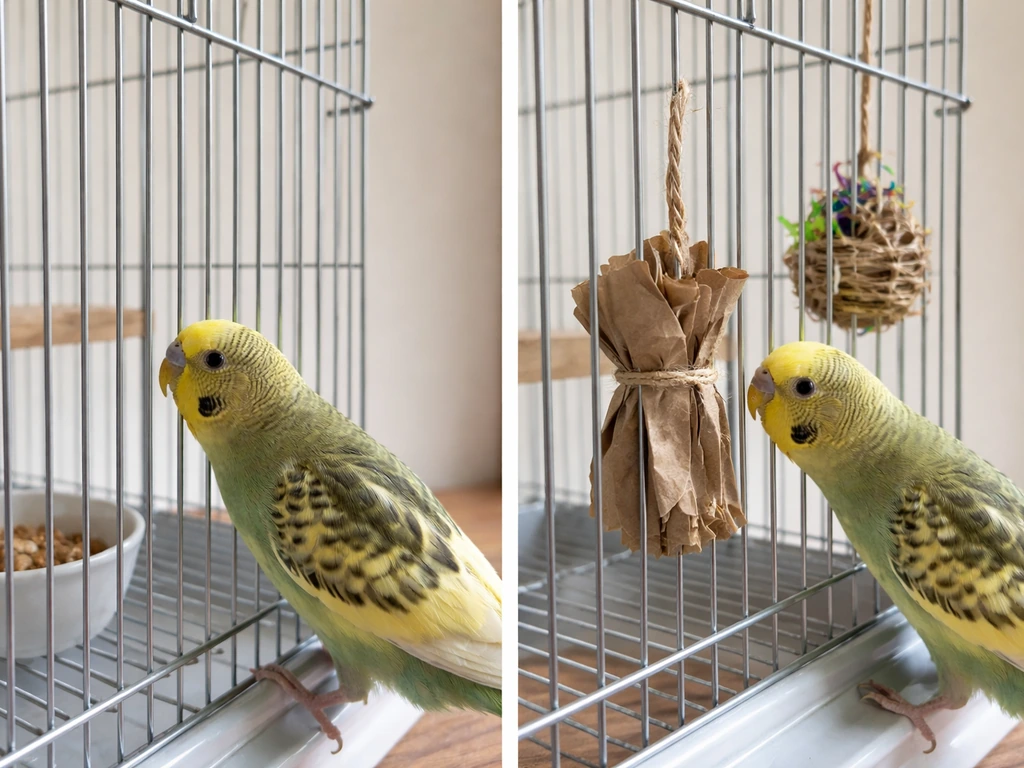
If your bird has a food dish, a couple of perches, and not much else, he's probably bored. Beak banging on bars is a common outlet when there's nothing more interesting to interact with. Birds need multiple types of enrichment: things to chew, things to forage through, things to shred, and things to manipulate. A cage that looks tidy to you often looks like a sensory desert to your bird.
Bar spacing and cage fit
Bar spacing that's slightly off for your bird's size can cause frustration. Bars too widely spaced for a small bird can lead to head-sticking or bar-chewing as he tries to get through. Bars too tightly spaced for a larger bird can feel confining. Make sure the cage is the right size for the species, with bar spacing your bird can't get a head stuck in.
Reflections and perceived threats
If the cage is near a window or a mirrored surface, your bird may be reacting to his own reflection or to birds outside. He may be trying to challenge the bird he sees, which can produce repetitive beak hitting against the bars on that side of the cage. Check which direction the banging is aimed and whether there's a reflective surface or window on that side. Moving the cage or covering that side temporarily can tell you quickly whether this is the trigger.
Stress from noise, lighting, or sleep deprivation
Birds need 10 to 12 hours of sleep in a quiet, dark environment. Lafeber notes that many healthy birds grind their beaks just before drifting off to sleep 10 to 12 hours of sleep in a quiet, dark environment. If your bird's cage is in a room with a TV on late, irregular light cycles, or a lot of household noise, chronic stress can show up as compulsive or agitated behaviors including beak banging. Evaluate where the cage sits and whether the nighttime environment is actually restful.
Look closely at the beak itself
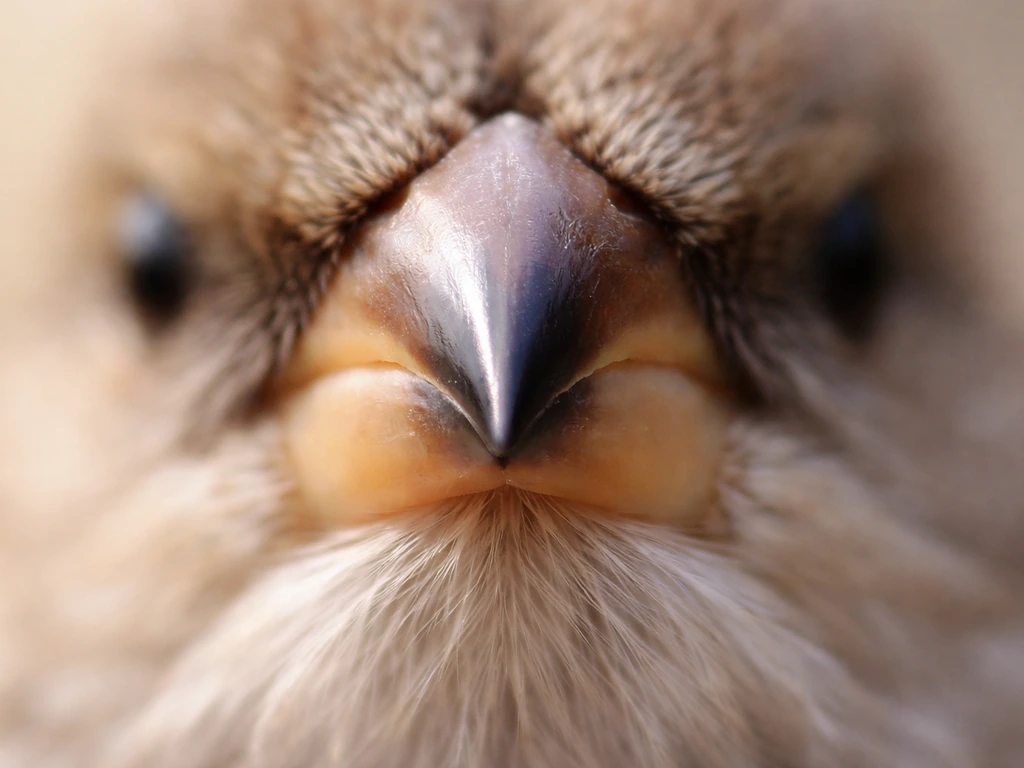
Sometimes the beak is the problem, not the environment. Get close and take a good look at the beak from multiple angles, ideally in natural light.
A healthy beak should be smooth, symmetrical, and proportional to the bird's species and size. What you don't want to see: flaking, cracking, unusual length, asymmetry, or any dark spots that weren't there before. The AAV specifically lists flakiness on the beak and visible injury as signs that warrant veterinary attention. If the upper and lower portions of the beak aren't meeting properly, that's called malocclusion, and it's uncomfortable. Birds with misaligned beaks sometimes bang or rub the beak against hard surfaces trying to relieve the pressure or correct the alignment on their own.
Also check the skin and tissue right around the base of the beak. Redness, swelling, discharge, or any crusting near the cere (the fleshy area above the beak on most species) can indicate mites, infection, or irritation that could be prompting your bird to rub or impact the beak against the bars for relief.
Red flags that tell you this is more than behavior
Most beak banging is harmless, but these signs move it into a different category. If you see any of the following, stop treating this as a behavioral puzzle and treat it as a health concern.
- Blood on the beak, bars, or surrounding surfaces: Any sign of bleeding is urgent. Merck notes that beak trauma can cause significant stress and pain, and a bird actively injuring itself on bars needs to be seen promptly.
- Visibly cracked, split, or flaking beak: This can indicate nutritional deficiency, infection, or metabolic disease, not just wear.
- Swelling, discharge, or crust around the beak or cere: This suggests infection or mites and needs diagnosis.
- Beak misalignment or asymmetry: A beak that looks crooked or doesn't close properly needs professional assessment.
- Banging combined with other illness signs: Fluffed feathers, loss of appetite, lethargy, labored breathing, or changes in droppings alongside beak banging strongly suggest something systemic is wrong.
- Banging that seems pain-driven: If your bird flinches, vocalizes in distress, or guards the beak area when you come near, that's pain behavior, not play.
- Sudden onset with no environmental change: If the banging started abruptly and nothing in the environment changed, that's worth investigating medically rather than behaviorally.
What you can do starting today
If the behavior looks normal and the beak looks healthy, here's how to address the most likely causes right now.
- Add foraging opportunities immediately: Hide food in paper cups, wrap treats in paper, or use a foraging toy. Even a simple cardboard roll stuffed with pellets gives your bird something to work at with his beak instead of the bars.
- Rotate toys every few days: Birds get bored of the same objects quickly. Keep a small rotation of chew toys, puzzle toys, and shreddable items. Rotate at least two or three times per week.
- Check for and block reflections: Move the cage away from mirrors and windows, or cover the reflective side with a lightweight cloth temporarily to see if the banging stops.
- Establish a consistent sleep routine: Cover the cage at the same time each night and aim for 10 to 12 hours of dark, quiet rest. Do this for a week and see if daytime behavior improves.
- Don't reward the banging with immediate attention: If your bird bangs and you immediately come over or react with excitement, you've reinforced it. Wait for a moment of quiet, then give attention.
- Provide safe chewing outlets: Natural wood perches, bird-safe wooden toys, and soft rope toys give the beak something more satisfying to interact with than metal bars.
- Inspect the beak and cere today: Use natural light and look carefully. Note anything unusual so you can describe it accurately if you need to call a vet.
It's also worth noting that beak behavior comes in many forms, and banging on bars is just one of them. If you've noticed related behaviors like rhythmic grinding sounds (especially at bedtime), clicking, or your bird opening and closing his mouth repeatedly, those have their own distinct causes that are worth understanding separately.
When to call an avian vet and what to tell them
Call an avian vet if you see any of the red flags listed above, especially blood, visible beak damage, signs of pain, or beak banging combined with other illness symptoms. Don't wait to see if it resolves on its own when those signs are present.
When you call, be ready to describe the following clearly. The more specific you are, the more useful the conversation will be.
- When the banging started and whether it was sudden or gradual
- How often it happens and at what times of day
- What the beak looks like, including any flaking, asymmetry, discoloration, or injury
- Whether anything in the environment changed recently (new cage, moved location, new pet or person in the home, dietary change)
- What other behaviors or symptoms you've noticed, including changes in droppings, appetite, activity level, or vocalization
- Whether there's any bleeding or visible trauma
If you can, take a short video of the behavior before the appointment. Avian vets find footage of the actual behavior far more useful than a verbal description, especially when the bird behaves differently in the clinic. A 30-second clip on your phone showing the intensity, direction, and context of the banging can save a lot of guesswork.
The bottom line is that beak banging is usually your bird being a bird, bored, curious, communicative, or just noisy. If you are wondering why your bird is clicking his beak, use timing, body language, and the cage setup to narrow down the most likely cause why is my bird clicking his beak.
If your bird is grinding his beak, the same observation steps can help you figure out whether it is boredom, discomfort, or something that needs veterinary care why is my bird grinding his beak. But it takes only a few minutes to check the beak, scan the environment, and rule out the things that do matter. Do that today, make a few simple enrichment changes if needed, and watch for a week.
If things don't settle or you spot any of the red flags, get an avian vet involved. That's the whole playbook.
FAQ
How can I tell if my bird is banging for attention or because something is wrong?
Start with a careful one-day timeline. If the beak banging reliably starts when you leave, increases during certain routines, or peaks near predictable moments, treat it as a communication or attention issue first (schedule changes, predictable interaction, and gradual training). If it is random and occurs with visible stress signals all day, shift focus to cage setup, sleep quality, and any possible discomfort that could be triggering repeated rubbing or irritation.
What body language should I look for to judge how serious beak banging is?
Yes. If your bird is tapping when he is calm (normal posture, eyes fully open, eating or moving between taps), it is more likely exploratory or boredom-related. If banging escalates while the bird looks tense (fluffed feathers, half-closed eyes, tucked posture, frantic pacing, or retreating to one spot), the intensity and body language make it more urgent to check the beak and consider veterinary evaluation.
Does it matter where he bangs his beak (bars vs toys vs dishes)?
If you are unsure whether it is tapping, rubbing, or true “bar slamming,” watch the direction and surface. Hitting only the bars suggests environment, pacing, or reflection triggers. Repeatedly striking the same hard toy or dish edge can point to beak shape mismatch, malocclusion discomfort, or a beak that needs trimming or evaluation by an avian vet.
My bird bangs the cage on one side. How do I check if reflections or windows are the cause?
Try a temporary “trigger test.” Cover one reflective side (mirror, window, or bright glass) and move the cage a few feet, then observe for 24 to 48 hours. If the pattern drops quickly and returns when the setup is changed back, you have identified a likely visual trigger. Keep the cage placement stable during the test so you can trust the result.
What should I try if the beak banging spikes after meals?
If beak banging begins or increases around feeding time, add changes that give the beak a job besides bars, such as foraging options (paper-based foraging, shreddable enrichment, and multiple small feeding points). Also confirm he is getting enough to eat and that food and water locations are accessible, since difficulty reaching resources can increase repetitive bar-related behavior.
Can household noise or TV lighting really cause beak banging?
Reduce “stimulus stacking.” If the cage is near a loud TV, bright flickering screens, or constant household commotion, provide a calmer nighttime setup and aim for consistent darkness and quiet. Sudden light changes can keep some birds from settling, so keep lights, curtains, and room activity predictable after bedtime.
What enrichment changes usually work first if my bird seems bored?
Yes, and it is a common mistake to only add perches and a single toy. Aim for variety in function: at least one chewable item, one shredder, and one foraging or puzzle option, and rotate items every week so interest stays high. If the bird still chooses the bars even with new enrichment, reassess cage fit and beak health rather than adding more clutter.
How do I know if bar spacing is wrong for my bird?
Don’t ignore bar spacing even if the bird can’t get stuck. Too-wide gaps can lead to repeated head touching or bar chewing attempts, too-tight spacing can feel restrictive. If you suspect fit issues, measure bar spacing versus your bird’s species, and consider a cage designed for that species rather than trying to “fix” the existing one with covers alone.
When should I stop treating this as behavior and contact an avian vet?
If you see blood, an obvious crack or missing chunk, swelling, or the beak looks misaligned or unusually long, treat it as medical rather than behavioral. Also seek care sooner if the bird seems in pain, refuses food, or the beak banging comes with other illness signs (fluffed posture, lethargy, abnormal droppings). In these situations, do not wait for the “enrichment watch period.”
What should I film before my avian vet appointment?
A short video is most helpful when it includes 10 to 20 seconds before the banging starts, the full action sequence, and what the bird is doing right after (eating, backing away, pacing, or resting). Include the cage location in the frame so the vet can see which bars, toys, and any nearby mirrors or windows might be involved.
If nothing changes after I adjust the cage, what’s my next step?
If your bird is banging while awake but the overall behavior does not improve after enrichment and setup changes, reassess beak health and consider malocclusion. Also check whether the bird is getting enough uninterrupted sleep, since chronic short sleep can make repetitive coping behaviors persist even when the environment is otherwise improved.
Is it okay to wait and see if it improves after a few days?
“If it resolves, it was behavioral” is not always reliable. Some minor discomforts can temporarily calm with distraction but return when the bird is unsupervised. Recheck the beak condition after a few days, and if flaking, asymmetry, crusting near the cere, or ongoing hard impacts appear, shift to veterinary evaluation.
Next Article
Why Is My Bird Opening and Closing His Mouth?
Learn why your bird opens and closes its beak, spot breathing red flags, and get step-by-step actions for today.