
Most of the time, a bird clicking his beak is completely normal and even friendly. It's a communication behavior, most commonly seen in cockatiels and cockatoos, where the bird rapidly moves the tip of his tongue against the beak or slides one beak tip over the other. Think of it as your bird saying 'hey, come hang out with me.' That said, clicking sounds can also come from the throat or airway rather than the beak itself, and that version needs a closer look. Knowing which one you're dealing with is the whole point of this guide.
Why Is My Bird Clicking His Beak? Causes and What to Do

Marcus Chen
6 May 2026
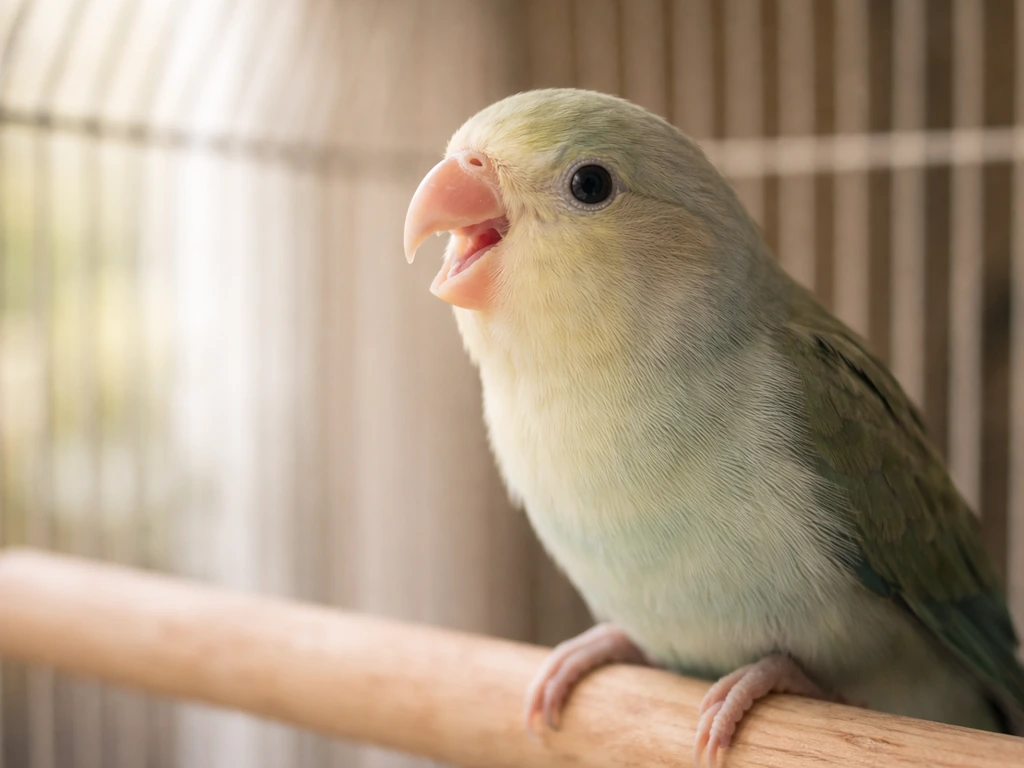
What beak clicking and chattering usually means
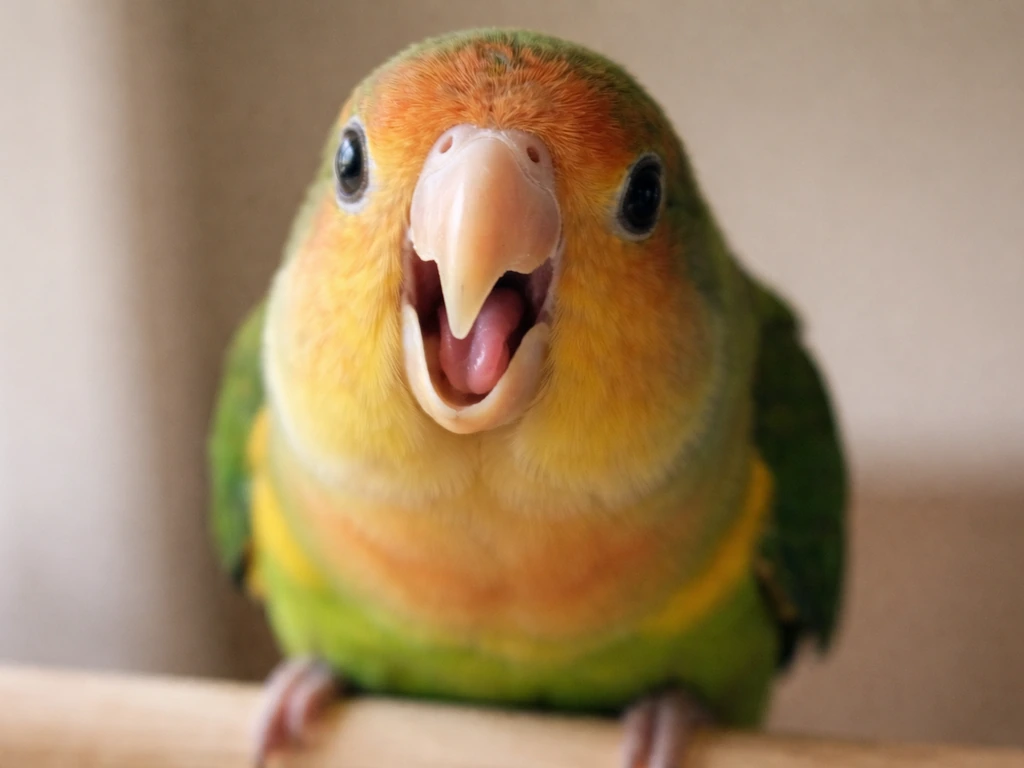
True beak clicking is a social, invitational behavior. Your bird makes a rapid clicking sound by flicking his tongue against the inside of his beak, or by sliding the tip of the upper beak across the lower beak in a quick back-and-forth motion. Bird behavior guides describe this as one of the friendlier signals in a parrot's communication toolkit. If your bird is doing this while looking at you, leaning toward you, or displaying other relaxed body language, he's almost certainly just trying to get your attention or express contentment.
Beak chattering, which sounds like a rapid series of clicks strung together, often shows up during excitement or social bonding moments. Some birds do it when they see their favorite person walk into the room. Others do it while exploring a new toy or right before they want to be picked up. It's in the same category as head bobbing or vocalizing, meaning it's a bird being a bird.
This is different from beak grinding, which is that slow, rhythmic scraping sound birds often make as they're drifting off to sleep. If you're curious about grinding specifically, that's a separate behavior worth looking into on its own. The key point here is that a short, sharp clicking sound made while your bird is alert and interactive is almost always a communication behavior, not a health symptom.
Common reasons your bird might be clicking his beak
Social signaling and attention-seeking
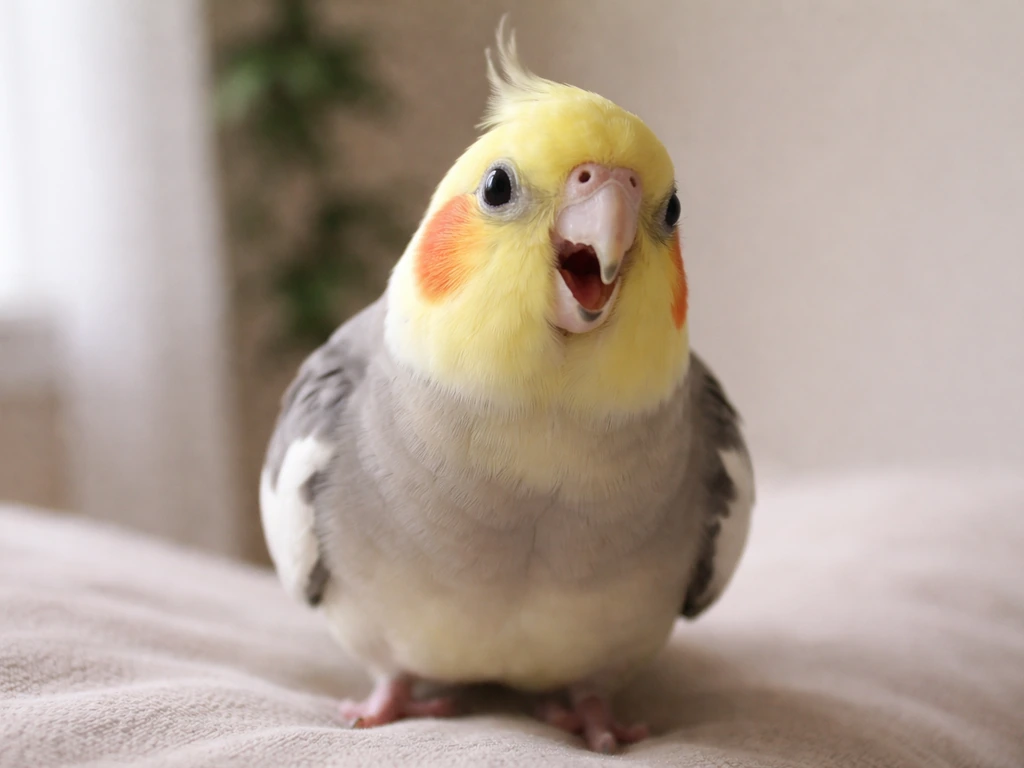
This is the most common cause by a wide margin. Cockatiels and cockatoos are especially known for this, but many parrot species do it. Your bird clicks to invite interaction, signal that he's in a good mood, or simply say 'pay attention to me.' If the clicking ramps up when you leave the room or stops when you come close, that's a strong sign it's social communication.
Excitement and curiosity
Birds often click when something new and interesting catches their attention. A new object in the room, the sound of a treat bag, another bird nearby, or even something playing on TV can trigger a string of clicks. This kind of clicking is usually paired with wide eyes, a slightly raised crest (if your bird has one), and an alert, forward-leaning posture.
Hunger or calling behavior
Some birds use beak clicking as part of a broader calling routine when they're hungry or want something. You might notice it happens around mealtimes or when your bird watches you prepare food. Fledglings and younger birds sometimes click and bob together as a food-begging behavior, though this typically fades as they mature.
Mild respiratory irritation
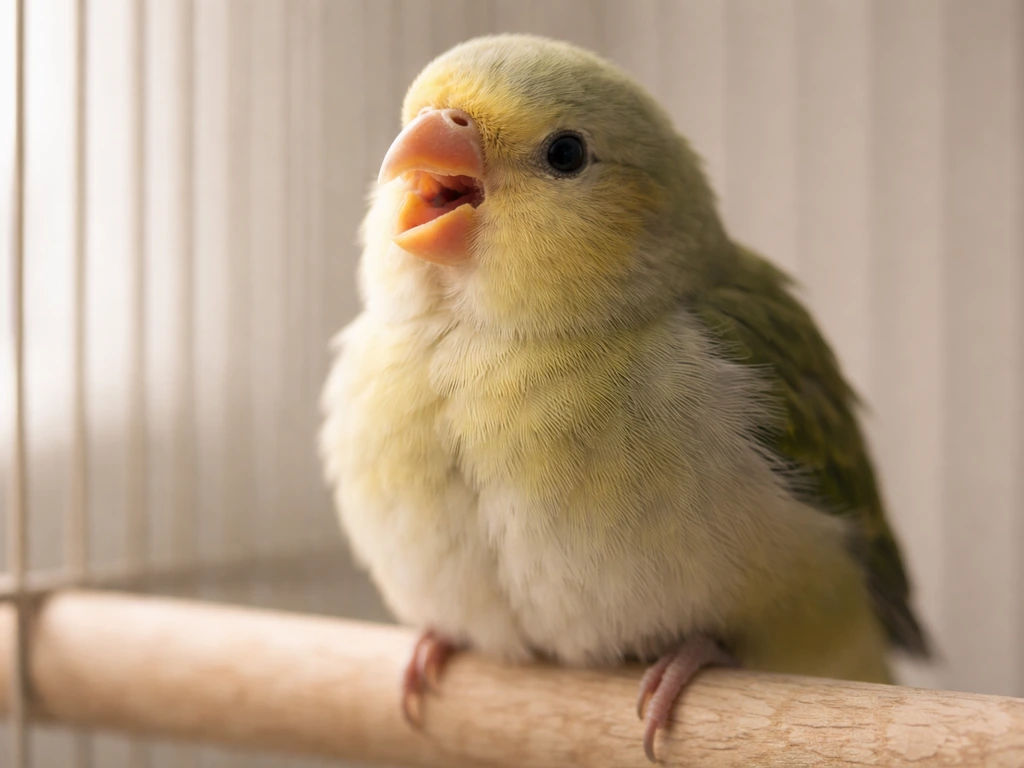
Here's where things get a little more complicated. If the clicking sound seems to be coming from your bird's throat or chest rather than the beak itself, it may be related to the airway. Birds have incredibly sensitive respiratory systems. Even low-level airborne irritants like dust, scented candles, cooking fumes, aerosol sprays, or cleaning product residue can cause mild irritation that shows up as unusual breathing sounds. This kind of clicking is different in character from beak-tip clicking and is often accompanied by other signs.
When it's just communication: reading the full picture
The easiest way to tell normal beak clicking from something health-related is to look at everything else your bird is doing at the same time. A bird who's clicking but otherwise acting completely like himself is almost certainly just communicating.
- He's active, alert, and moving around normally
- His feathers are held flat or loosely relaxed, not puffed up
- He's eating and drinking at his usual rate
- His droppings look normal for him (no major changes in color, consistency, or amount)
- He's responding to you, making eye contact, or leaning in
- The clicking happens in clear social contexts, like when you walk in, when you talk to him, or around mealtimes
- There's no visible effort in his breathing and his tail is still
If all of those things check out, you're almost certainly looking at a happy, communicative bird. Beak clicking in this context is no different from a cat's chirp or a dog's tail wag. It's just his way of connecting with you.
Context matters a lot here. A bird clicking while you're scratching his head feathers is obviously not in respiratory distress. But a bird clicking with his tail pumping and his eyes half-closed is a completely different story. Always look at the whole bird, not just the sound.
Red flags that mean you should call a vet soon
If any of the following signs are present alongside the clicking, stop troubleshooting at home and contact an avian veterinarian. Birds hide illness very effectively, and by the time symptoms are obvious, the problem can already be serious.
- Open-mouth breathing at rest, especially when your bird hasn't been active
- Tail bobbing with each breath (the tail pumps noticeably up and down as your bird breathes)
- Clicking, wheezing, or raspy sounds that seem to come from the throat or chest, not the beak tip
- Labored or visibly effortful breathing
- Fluffed feathers, especially combined with lethargy or sitting low on the perch
- Decreased appetite or not eating at all
- Changes in droppings: unusual color, watery consistency, or significantly less than normal
- Discharge from the nostrils or eyes
- Swelling around the face or eyes
- Weakness, unsteadiness, or sleeping much more than usual
Any breathing sound that's new and unexplained, including clicking or wheezing that seems tied to the breathing rhythm rather than beak movement, is a reason to get your bird seen. Veterinary guidance is clear on this: wheezing or clicking sounds when breathing are not normal and should be evaluated. Open-mouth breathing and other abnormal breathing signs are clinical assessment clues for respiratory disease in pet birds, per the Merck Veterinary Manual. These can point to respiratory infection, air sac disease, an inhaled irritant, airway obstruction, or pressure from something internal. None of those are things you can assess or treat at home.
A specific scenario worth flagging: if you recently used any kind of aerosol spray, cleaning product, non-stick cookware at high heat, scented candle, air freshener, or paint near your bird's space, and the clicking or unusual breathing started shortly afterward, treat that as an emergency. Bird respiratory systems are extraordinarily sensitive. PTFE fumes from overheated non-stick pans are notoriously lethal for caged birds. Chloramine gas from mixing bleach and ammonia-based cleaners can cause acute or delayed (12 to 24 hours later) respiratory injury. Even perfumes, spray disinfectants, and incense can trigger distress. If you suspect fume exposure and your bird is showing any breathing changes, contact an avian vet or emergency animal hospital right away.
Quick troubleshooting steps to try right now
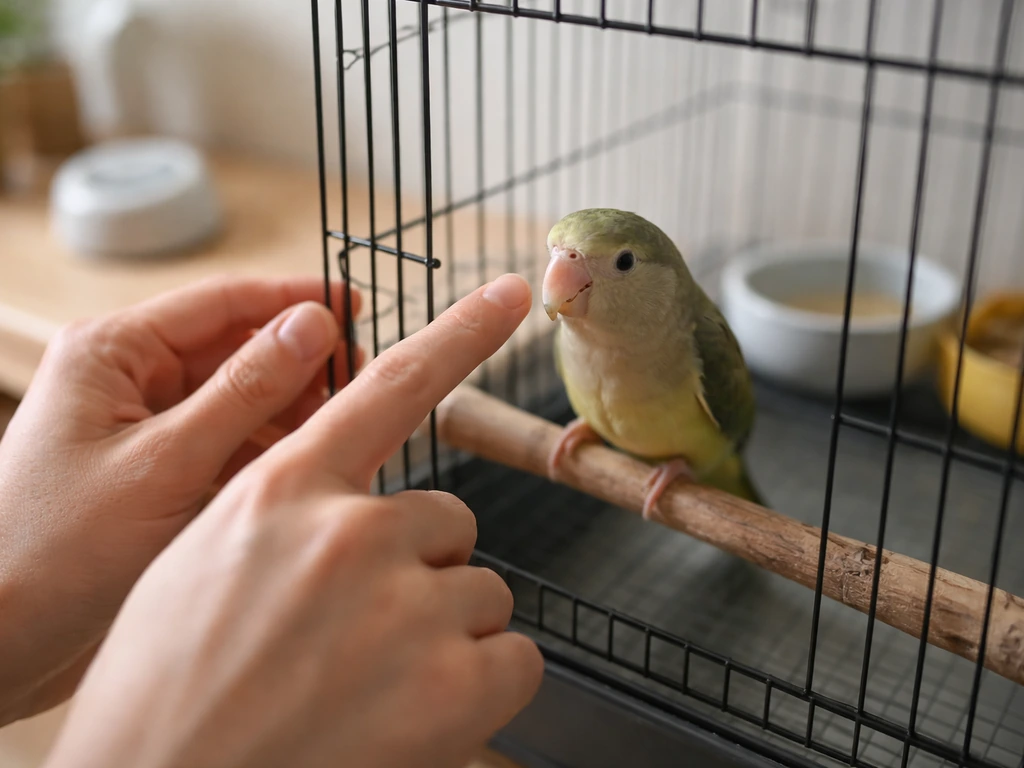
If your bird is clicking and you're not sure what's going on, work through these steps before deciding whether it's a vet visit or a 'wait and watch' situation.
- Watch the beak closely: Is the clicking coming from the beak tip (tongue or upper/lower beak movement) or does it seem to come from deeper, like the throat? Beak-tip clicking is mechanical and visible. Throat-origin clicking is usually accompanied by breathing movement.
- Check your bird's breathing rate and effort: A resting bird breathing with a closed beak and no visible tail movement is almost always fine. Count breaths if you're unsure. Labored breathing at rest is never normal.
- Look at the tail: Is it still, or does it bob rhythmically with each breath? Tail bobbing at rest is a red flag that means the bird is working harder than normal to breathe.
- Assess overall behavior: Is your bird active, eating, drinking, and interacting normally? Or is he fluffed, quiet, and sitting low? The difference matters enormously.
- Check the environment: Were any aerosol sprays, cleaning products, candles, incense, non-stick cookware, paint, or other fumes used recently in or near the room? Ventilate immediately if yes and move your bird to fresh air.
- Check for obvious irritants: Dusty conditions, smoke, strong perfumes, or even a recently changed air freshener can cause transient irritation. Remove the source and see if the sound resolves.
- Interact with your bird: Talk to him, offer a treat, or move close. If he perks up, clicks back at you, and seems engaged, that's a good behavioral sign. If he's unresponsive or too weak to react normally, that's urgent.
- Monitor for 15 to 30 minutes if the situation seems mild: If the clicking is clearly beak-tip clicking and everything else looks normal, observe for a short period. If anything worsens or doesn't resolve, call the vet.
One thing to avoid: don't try to administer any home remedies, supplements, or human medications to your bird without veterinary guidance. And don't delay calling an avian vet if you're genuinely unsure. With birds, earlier is always better.
What to tell your avian vet when you call
When you call or visit an avian vet, the more specific you can be, the faster they can help you. Here's what to have ready before you pick up the phone.
| What to Observe | What to Report |
|---|---|
| How the clicking sounds | Beak-tip clicking vs. clicking that seems tied to breathing; sharp and short vs. rhythmic and raspy |
| When it started | Exact day or time, whether it was sudden or gradual |
| Associated behaviors | Whether your bird is fluffed, lethargic, tail-bobbing, open-mouth breathing, or acting normally |
| Eating and drinking | Whether intake has changed, decreased, or stopped |
| Droppings | Any changes in color, consistency, frequency, or amount |
| Environment | Any recent use of sprays, cleaners, candles, non-stick cookware, paint, or other fumes near the bird |
| Other symptoms | Discharge from nose or eyes, swelling, sneezing, coughing, weakness, or unusual posture |
| Your bird's baseline | What his normal clicking or beak sounds look like, so the vet can understand what's changed |
Useful questions to ask the vet: Is this something I should bring him in for today, or can I watch for another 24 hours? What specific changes should prompt an emergency visit? Are there any environmental changes I should make immediately? If the vet recommends a visit, try to find an avian-specialist or avian-experienced vet rather than a general practice, since bird physiology and respiratory assessment requires specific expertise.
Beak clicking in birds covers a wide spectrum from totally normal and endearing to a signal that something's off with the airway. Most of the time it really is just your bird talking to you. If your bird is banging his beak on the cage, the same beak-clicking checklist can help you tell whether it’s social attention-seeking or something respiratory.
But knowing what to look for and how to describe what you're seeing gives you a real advantage, whether you end up just enjoying the conversation with your bird or getting him the care he needs quickly. A bird opening and closing his mouth can also be a sign of throat or airway irritation, so it's important to notice whether the sound tracks with breathing.
FAQ
How can I tell if the clicking is coming from the beak versus the lungs or throat?
Not always. If the clicking happens during calm social moments, with relaxed posture and normal breathing, it is usually tongue or beak-tip communication. If you can see the beak staying still while the sound matches inhaling or exhaling, assume it may be airway related and prioritize an avian vet assessment.
My bird clicks more at certain times of day. What does that usually mean?
Look for time patterns. Normal social clicking often peaks when your bird is alert and oriented toward you, then settles. Clicking that consistently ramps up at night, during sleep, or when breathing becomes faster or deeper, is more concerning for airway irritation.
Can food cause beak clicking?
Yes, diet can be a trigger indirectly. If a new food or treat results in frequent coughing, open-mouth breathing, or clicking that follows eating, stop offering it and contact an avian vet, since it could indicate irritation or a swallowing problem rather than simple beak communication.
What should I give my bird if I think the clicking is mild irritation?
Avoid “spot dosing” with anything. Do not give human cough medicines, antibiotics, essential oils, or supplements unless an avian veterinarian tells you to. Birds can react strongly to meds and fragrances, and some remedies can worsen airway irritation.
What should I do immediately if I recently used cleaning products, sprays, or non-stick cookware?
Change the environment first. If you used any recent sprays, diffusers, incense, scented candles, aerosol cleaners, or non-stick pans at high heat, remove your bird from the area and ventilate. Then call an avian vet for guidance, especially if clicking started shortly after those exposures.
My bird clicks when I prepare food. How do I know if it is just begging?
Many birds beg by combining body language with sound. If clicking comes with leaning forward, food-seeking behavior, and normal breathing, it can be hunger or attention. Still check for respiratory signs like open-mouth breathing, tail bobbing, or reduced activity.
How should I describe the sound to my avian veterinarian so they can triage it faster?
A match in how you describe it helps. Tell the vet whether the sound is single short clicks versus rapid chattering, whether you see tongue movement or beak contact, and whether you notice it during inhale, exhale, or when the bird is holding still.
What specific signs mean I should not “wait and watch”?
Yes. If clicking plus any red flags appears, do not wait. Red flags include open-mouth breathing, wheezing, tail pumping, lethargy, sitting fluffed, discharge from nostrils, or a clear change from your bird’s normal behavior. Those combinations warrant prompt evaluation.
What if my bird is clicking, but he also seems stressed?
Sometimes. Beak clicking can occur while a bird is excited, but aggressive or frantic body language (stiffness, biting, chased retreating, or panic) suggests stress. Try to identify what changed (new cage setup, handling, loud noise), and if breathing changes are present, treat it as a respiratory concern.
My bird clicks and also does beak grinding. Is that always normal?
It matters. If your bird is clicking while also grinding slowly near sleep, it may still be communication or pre-sleep settling. However, if you hear clicking that follows breathing rhythm, or if he seems uncomfortable, treat it as possible airway irritation and contact a vet.
If I am unsure, what is a good short checklist I can do at home before calling?
Offer a calm observation window. Watch for 2 to 5 minutes without interacting, note his breathing rate, posture, crest position, and whether the sound changes when he relaxes or when he moves. If the clicking remains tied to breathing or you see any red flags, call your avian vet.
Next Articles
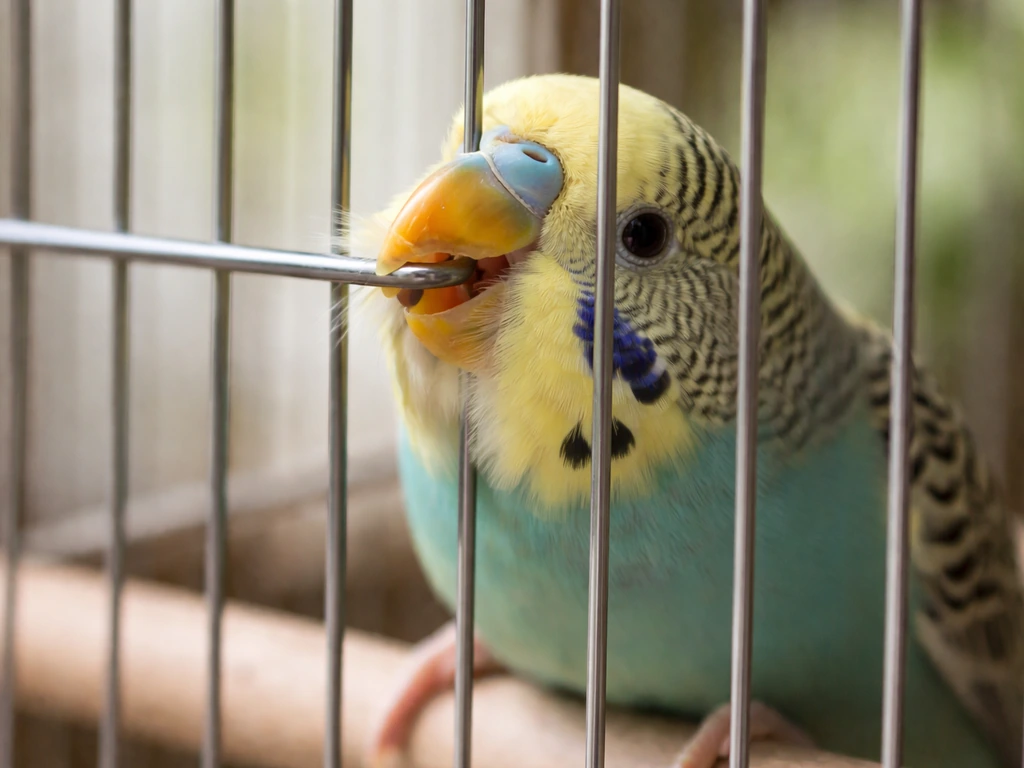
Why Does My Bird Bang His Beak on the Cage? Causes and Fixes
Learn why your bird bangs his beak on the cage and what to check and fix, from boredom to beak or pain issues.
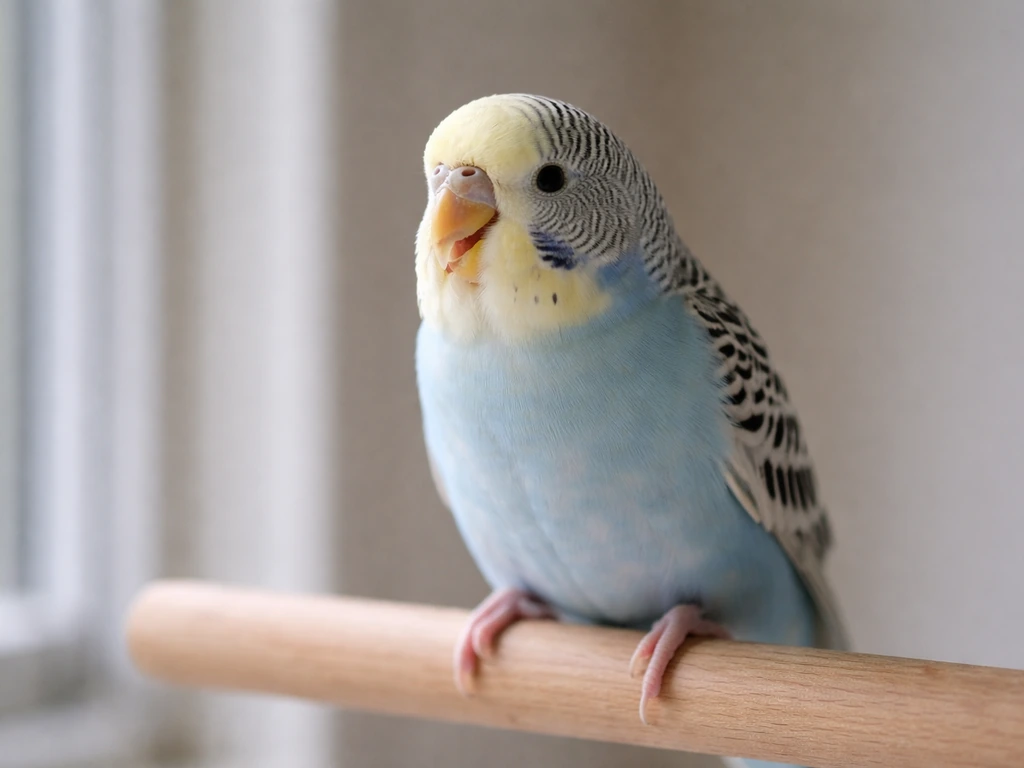
Why Is My Bird Opening and Closing His Mouth?
Learn why your bird opens and closes its beak, spot breathing red flags, and get step-by-step actions for today.
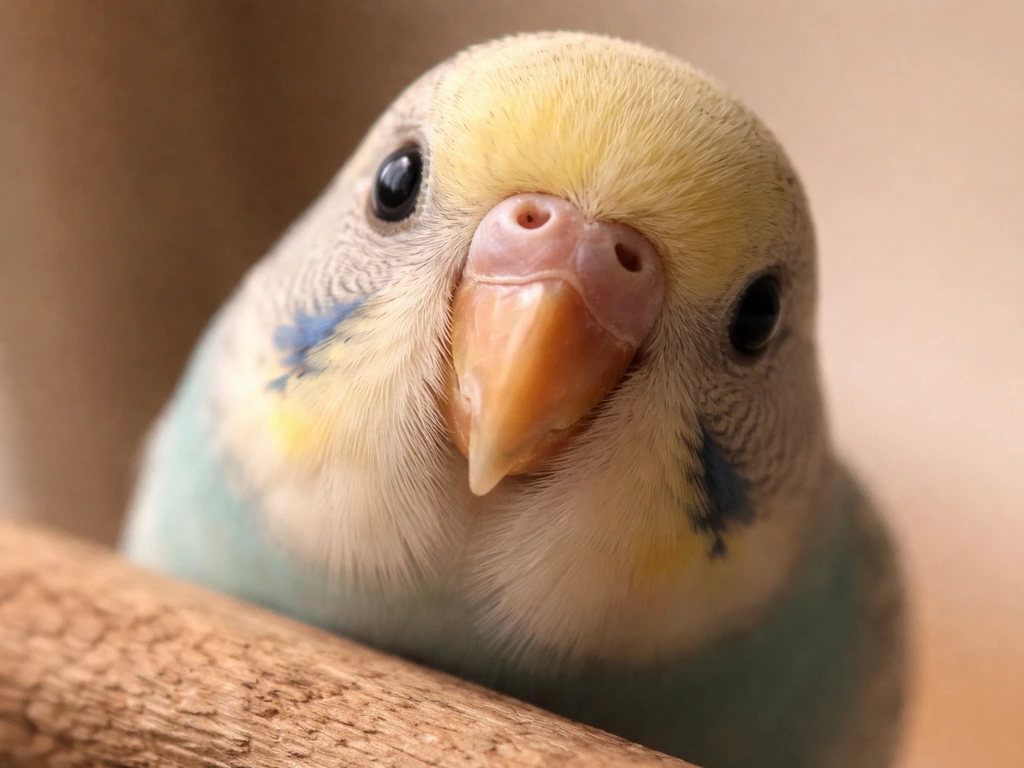
Why Is My Bird Grinding His Beak? Causes and Next Steps
Learn why birds grind beaks, how to spot normal vs pain or injury, and what to do and when to call a vet.