
Beak grinding in birds is usually a good sign. Most of the time, when a bird grinds his beak, that soft, rhythmic crunching sound, he's relaxed, content, and settling in for rest. It's one of those reassuring behaviors that tells you he feels safe. That said, beak grinding can occasionally point to something worth paying attention to, especially when it shows up alongside other changes in behavior, appetite, or appearance. The key is knowing what pattern you're looking at.
Why Is My Bird Grinding His Beak? Causes and Next Steps

Marcus Chen
23 Apr 2026
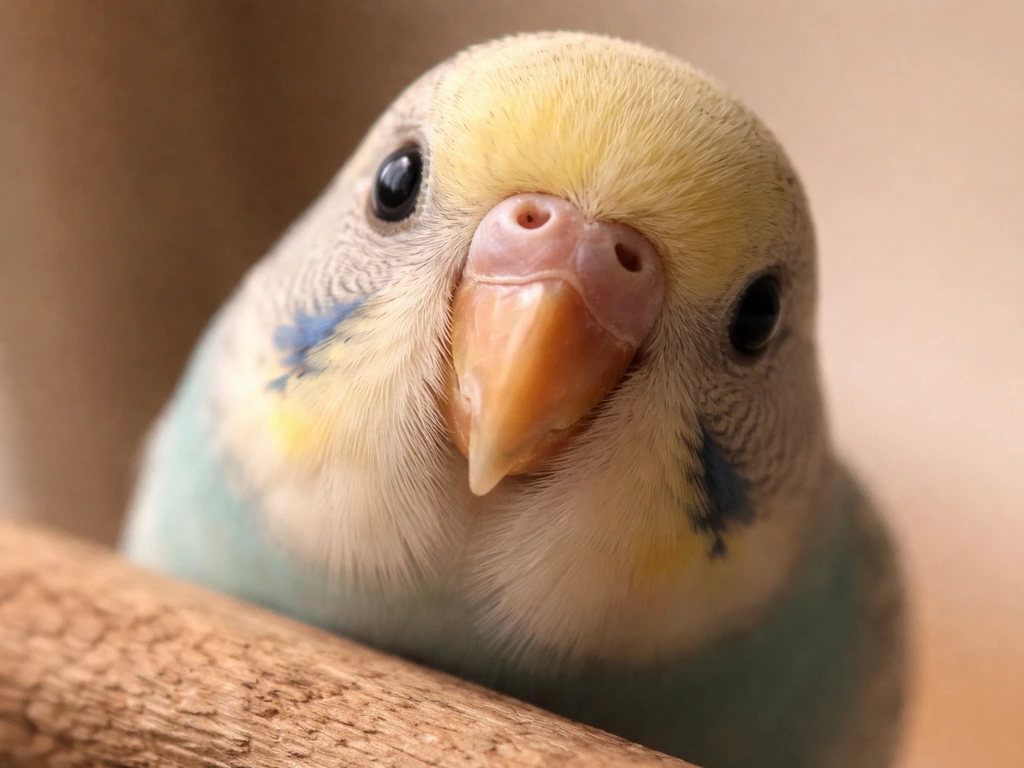
Normal vs. concerning beak grinding
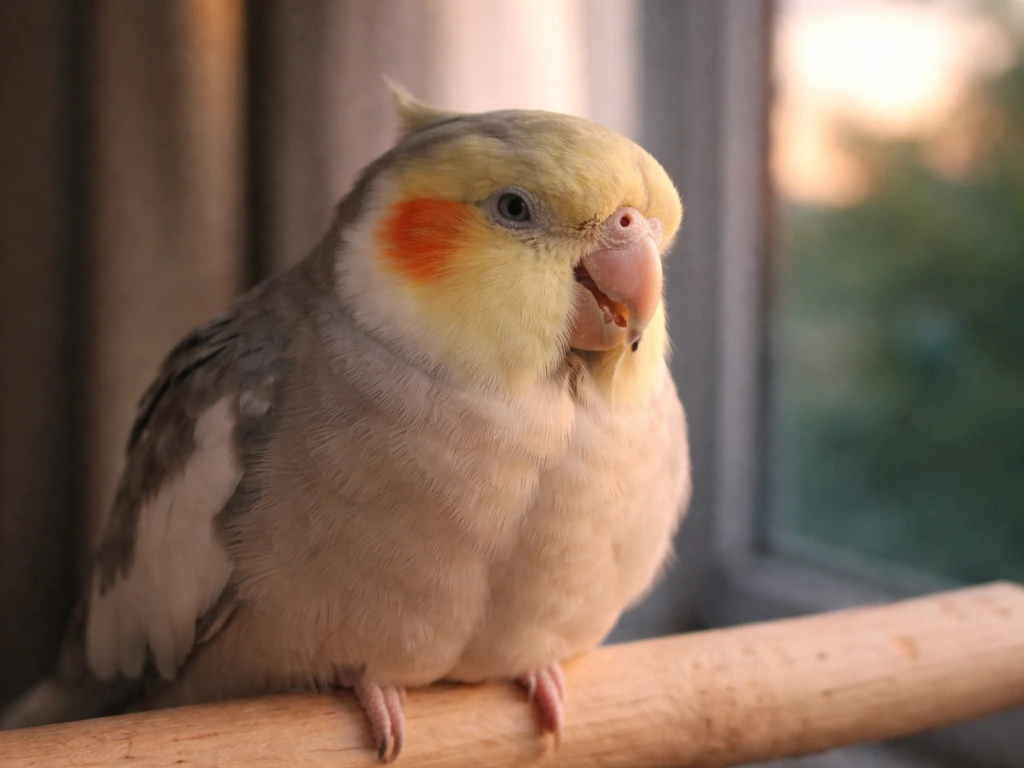
Normal beak grinding almost always happens at predictable times: right before sleep, during quiet moments after eating, or while your bird is preening and winding down. It's rhythmic and gentle, your bird looks relaxed, his feathers are fluffed in a comfortable way (not a sick way), and he's otherwise acting like himself. If you hear the grinding and your bird is calm, bright-eyed, and eating normally, you're almost certainly watching a healthy, contented bird.
Concerning grinding looks and sounds different. It tends to be irregular, more forceful, or out of context, happening repeatedly throughout the day, not just at sleep time. It's the grinding that comes alongside other signs: a change in how much your bird is eating, lethargy, ruffled feathers paired with sitting low on the perch, discharge from the nostrils or eyes, or any visible change to the beak itself. When grinding is one symptom in a cluster, that's when to pay closer attention.
Why birds grind their beaks (the common, normal reasons)
The most common reason is pure contentment. Birds grind their beaks when they're feeling safe and drowsy, the same way some animals purr or sigh. You'll usually notice it most in the evening as your bird settles down on his favorite perch. It's almost like a self-soothing habit.
Beak grinding also happens naturally during preening. As your bird works through his feathers and cleans himself up, he'll often rub and work his beak in ways that produce that crunching sound. This is completely routine beak maintenance, birds keep their beaks clean, shaped, and functional through regular manipulation.
Play is another trigger. If your bird has been working on a toy, chewing on wood, or interacting with cage materials, a little grinding afterward is just him processing and exploring with his beak. Young birds especially do this as they figure out their world.
Health reasons that can cause beak grinding
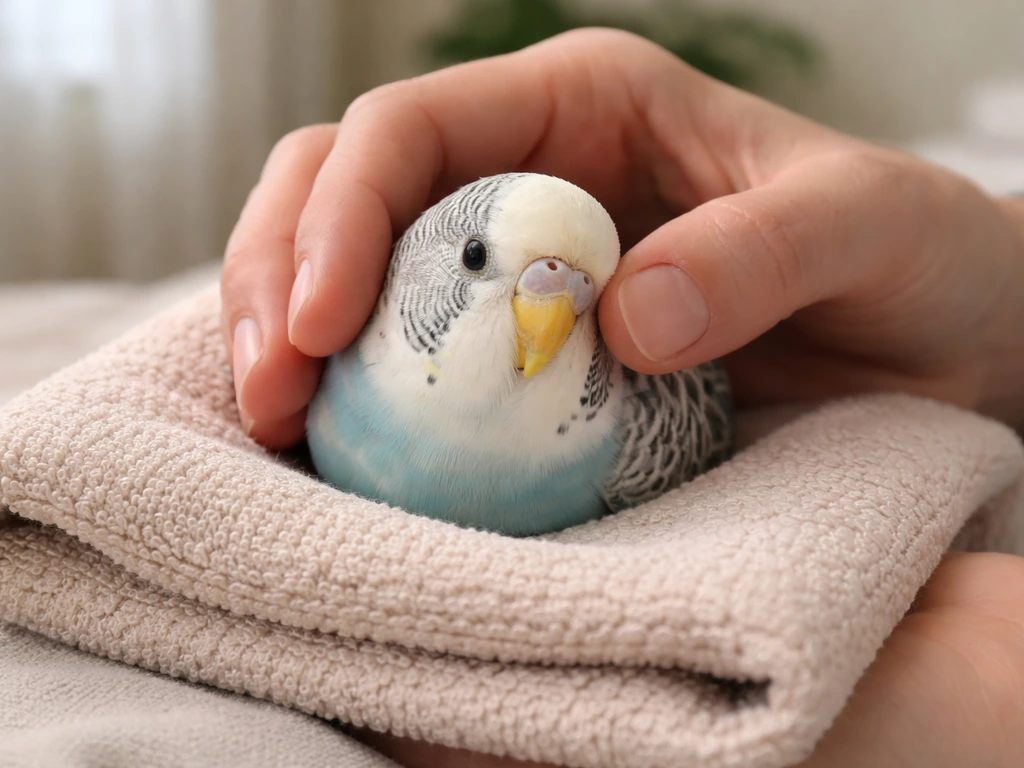
When grinding isn't tied to sleep time or preening, it's worth considering whether something physical is causing discomfort. Birds often respond to pain or irritation in their mouths, beaks, or throats by grinding, rubbing, or working their beaks more than usual. It's one of the ways they try to relieve the sensation.
Oral irritation or injury
Something as simple as a small cut, an irritated tissue inside the mouth, or a foreign object caught in the beak can set off excessive grinding. If your bird recently chewed on something new or unfamiliar, that's worth noting. Beak misalignment, where the upper and lower beak don't meet correctly, can also cause a bird to grind more than normal as he tries to compensate.
Pain from other sources
Birds in pain from any cause, not just mouth pain, can show beak-related behaviors as a stress response. If your bird is grinding and also seems reluctant to move, is sitting in an unusual posture, or is clearly not himself, broader pain or illness is possible.
Respiratory issues
Upper respiratory problems can cause irritation in the throat and nasal passages, which may lead to unusual beak movement and grinding. Signs to watch alongside grinding include open-mouth breathing, tail bobbing with each breath, discharge from the nostrils or eyes, and any wheezing or clicking sounds from the airways. That open-mouth breathing can also happen when a bird is having trouble breathing, which is why you might see him open and close his mouth. Open-mouth breathing and increased respiratory rate in a bird are considered red flags that need prompt attention.
Mites and parasites
Scaly-face mites (Knemidocoptes) are a known cause of beak irritation in birds, particularly budgerigars and other small parrots. They typically show up as white or grayish crusty buildup around the corners of the beak, on the cere (the fleshy area above the beak), around the nostrils, and sometimes around the eyes or legs. If you notice any unusual crusting or texture change in those areas alongside the grinding, mites are a real possibility and require a vet visit for diagnosis and treatment, a skin scraping under a microscope confirms it.
How to figure out what's actually going on
Before you call the vet or panic, spend a few minutes doing a structured observation. The pattern of when and how your bird grinds, combined with everything else you notice, tells you a lot.
- Timing: Does the grinding happen mainly at night or before sleep (normal), or randomly throughout the day (less typical)?
- Frequency: Is it occasional and brief, or constant and repetitive?
- After eating: Does it happen right after meals? A little post-meal beak cleaning is normal; frantic or prolonged grinding after eating is less so.
- Beak appearance: Look closely. Is the beak shaped normally? Is there any crusty buildup, discoloration, bleeding, or a crack? Does the upper and lower beak align properly?
- Appetite: Is your bird eating and drinking the same amounts as usual?
- Droppings: Any changes in color, consistency, or volume of droppings?
- Energy and posture: Is he alert and active, or sitting low, puffed up, and quiet in a way that feels off?
- Eyes and nostrils: Any discharge, swelling, or crustiness around the face?
- Feather condition: Are feathers smooth and well-kept, or rough and unkempt?
- Breathing: Any open-mouth breathing, tail bobbing, or unusual sounds when he breathes?
If the grinding fits the first item in nearly every category (nighttime, brief, beak looks fine, eating normally, active and bright-eyed), you're almost certainly looking at normal behavior. If you're checking off two or more concerning answers, take those observations seriously.
What you can do right now
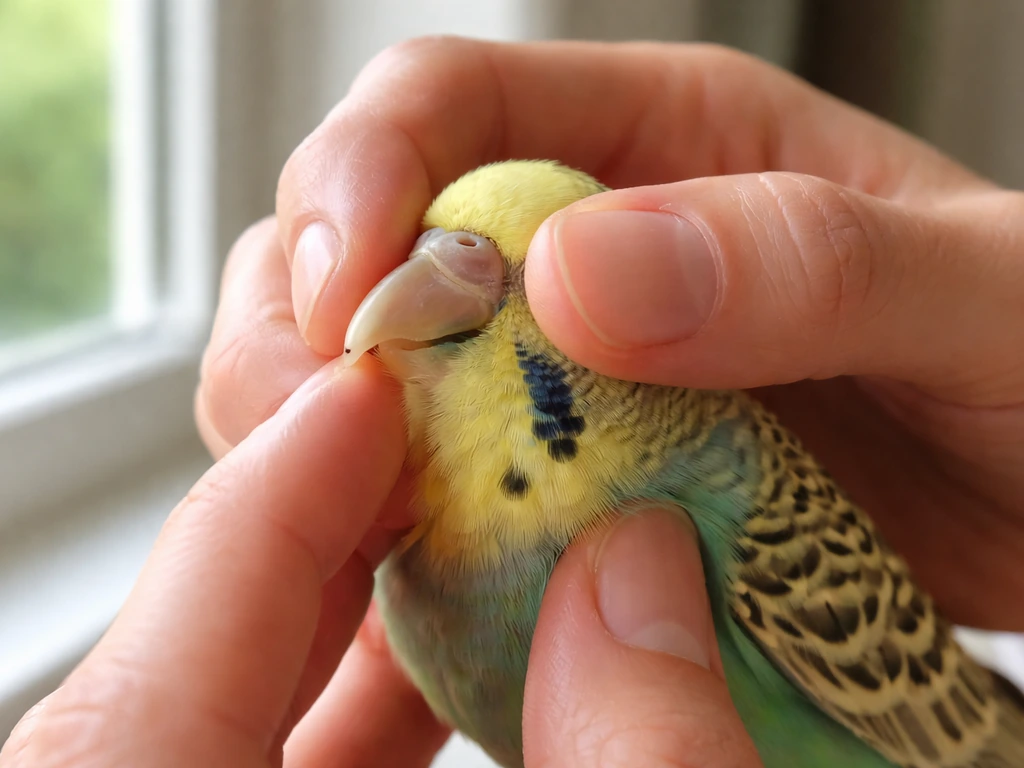
There are safe, practical things you can do today while you're gathering information and deciding whether a vet call is needed.
- Do a visual check of the beak: Look at the beak from multiple angles in good lighting. Check for cracks, asymmetry, bleeding, crusting, or unusual texture. If you see any bleeding from the beak or mouth, this is an emergency — contact an avian vet immediately, as blood can spread and obscure where it's coming from.
- Check the environment: Has anything changed recently? New food, a new toy, a new cage material, or a cleaning product used nearby? Remove anything unfamiliar that your bird has been chewing on until you rule it out.
- Review what he's been eating: Have you introduced a new food, treat, or supplement? Some foods can irritate the mouth or throat. Stick to his usual diet for now.
- Observe him for 15 to 20 minutes without interacting: Watch how he sits, breathes, moves around, and uses his beak. Take notes or a short video — this is genuinely useful if you end up calling a vet.
- Do not apply any topical products to the beak or mouth: Unless an avian vet has specifically told you to use something, avoid putting oils, creams, or any remedy on or near the beak. Well-meaning first-aid choices can sometimes make things worse.
- Make sure his cage hygiene is up to date: Clean food and water dishes, check that perches aren't dirty or harboring debris, and ensure good ventilation. These won't fix a health problem, but they rule out environmental irritants.
When to call an avian vet urgently
Some situations don't need monitoring, they need a vet call today. Contact an avian vet right away if you see any of the following alongside beak grinding:
- Open-mouth breathing, tail bobbing with each breath, or any sign of respiratory distress
- Bleeding from the beak, mouth, or face
- Visible swelling around the face, eyes, or beak
- Discharge from the nostrils or eyes
- Crusty buildup around the beak corners, cere, or nostrils (possible mites)
- The beak appears cracked, broken, misaligned, or is visibly damaged
- Your bird has stopped eating or is eating significantly less
- Extreme lethargy — your bird won't move, is sitting on the cage floor, or is unresponsive to normal stimulation
- Droppings that are dramatically different in color, consistency, or frequency
- Any rapid change in behavior or condition, especially if it came on suddenly
Birds hide illness well, it's a survival instinct, so by the time symptoms are obvious, they can already be in a more serious state. When in doubt, a quick call to an avian vet to describe what you're seeing is always a reasonable choice. The Association of Avian Veterinarians emphasizes that visible changes in a bird's beak, skin, or demeanor are valid reasons to seek a professional opinion.
Keeping the beak healthy long-term
If your bird's grinding turns out to be the normal, contented kind, you still have good opportunities to support his beak and overall health going forward.
Diet
A balanced, species-appropriate diet keeps beaks in good shape. Fresh vegetables, appropriate pellets, and limited seed (rather than an all-seed diet) provide the nutrients birds need for healthy beak growth and overall tissue condition. Calcium is particularly important for beak and bone health in many species, cuttlebone is an easy, accessible source for smaller birds.
Beak wear and enrichment
Birds naturally wear their beaks down through use. Providing safe wood toys, foraging opportunities, and appropriate chew materials lets your bird do this naturally. A bird without enough to chew on may develop beak overgrowth over time, which can cause alignment problems. This also keeps him mentally engaged, reducing stress-related behaviors.
Hygiene and cage maintenance
Clean food and water dishes daily. Replace perches that are excessively worn, soiled, or have developed sharp edges. Keep the cage environment well-ventilated and free of dust, strong fumes, and airborne irritants, all of which can affect the respiratory tract and cause birds to exhibit unusual beak behavior. If you use cleaning products near the cage, make sure the area is fully aired out before returning your bird.
Regular check-ins
A yearly wellness exam with an avian vet is the single best thing you can do for long-term beak and overall health. Many early problems, mites, beak overgrowth, nutritional deficiencies, are caught and corrected easily when found early, and are much harder to manage once advanced. Between visits, you're the best early-warning system your bird has. Noticing changes in beak behavior, like comparing normal grinding at bedtime to grinding that seems unusual, is exactly the kind of attentive ownership that keeps birds healthy.
Beak behavior is just one piece of the communication picture. If you're curious about related sounds and movements, your bird clicking his beak, banging his beak on the cage, or making other noises with his beak can each have their own set of explanations worth exploring separately. If you’re noticing this alongside beak grinding or other changes, the cause could range from normal preening to oral irritation or respiratory discomfort making noises with its beak. Bird clicking can be caused by normal beak maintenance or by issues like irritation, mites, or respiratory discomfort clicking his beak.
FAQ
If my bird grinds his beak, should I stop him or check his beak right away?
Do not interrupt routine grinding, especially when it happens at bedtime or during calm preening. Instead, do a quick check from a distance for red flags (open-mouth breathing, crusty buildup near the nostrils, ruffled feathers with low sitting, changes in appetite). If the grinding is excessive or paired with any symptom cluster, plan a vet call rather than trying to treat at home.
How can I tell normal beak grinding from beak grinding caused by irritation or pain?
Normal grinding is usually brief, rhythmic, and tied to predictable times (sleep settling, post-meal quiet, preening). Concerning grinding is irregular, more forceful, occurs repeatedly during active hours, and comes with other changes such as reduced eating, lethargy, discharge from eyes or nostrils, or visible texture changes on the beak/cere.
Is beak grinding ever related to stress or boredom even if my bird seems to eat normally?
Yes. Some birds grind more during periods of heightened stimulation, after chewing toys or cage bars, or when they lack appropriate enrichment. Look for patterns tied to specific routines (after cage cleaning, after you leave the room, after new toys). If grinding increases along with agitation, feather damage, or repetitive pacing, adjust the environment and contact an avian vet if it persists.
Could diet cause beak-related grinding or beak problems over time?
A poor diet can contribute to overall tissue quality, which may make beaks feel less comfortable and lead to more manipulation. Ensure your bird gets pellets plus fresh vegetables, limit seed reliance, and provide calcium sources like cuttlebone if appropriate for the species. If grinding is paired with crusting or breathing signs, do not assume it is only diet, get checked.
My bird grinds after chewing toys. Does that mean his beak is being injured?
Not necessarily. Grinding can be a normal processing behavior after chewing and preening. The concern is sharp, repeated force plus changes such as swelling, bleeding, or a rough or misaligned beak feel. If you introduce a new toy and grinding suddenly becomes frequent, remove it and monitor for mouth redness, discharge, or reduced appetite.
Can foreign material be stuck in the beak or throat and show up only as beak grinding?
It can, especially if the grinding starts after a specific event (new food, shredding a material, or aggressive chewing). Watch for pawing at the beak, slowed eating, drooling, changes in droppings, head-shaking, or difficulty swallowing. Those signs are a good reason to call an avian vet promptly rather than waiting.
What mites or other skin issues should I look for if I’m concerned about beak irritation?
For scaly-face mites, look for white or grayish crusty buildup around the beak corners, the cere, and around the nostrils, and sometimes changes near the eyes or legs. If the beak area texture changes alongside grinding, schedule a vet visit, diagnosis typically requires a skin scraping under a microscope, home guesses often delay treatment.
My bird is grinding and seems to breathe with his mouth open. Is that an emergency?
Open-mouth breathing with grinding is a red flag for respiratory distress. If you see open-mouth breathing, tail bobbing with each breath, wheezing or clicking, or nasal/eye discharge, treat it as urgent and seek an avian vet right away (or emergency services if available).
How long should I monitor before calling the vet if I’m unsure?
If the grinding is normal and limited to predictable moments, you can monitor for changes over a day or two. If it is irregular, increasing, or paired with any other symptom, do not wait many days. A practical approach is to track: frequency, timing, appetite, posture, droppings, and any discharge, then call an avian vet sooner if trends worsen.
Are there any home actions I should avoid when beak grinding seems concerning?
Avoid trying to trim the beak, apply unknown ointments, or attempt to remove anything from the mouth yourself. Also avoid ignoring respiratory signs. If you use cleaning products near the cage, ensure the area is fully aired out and the bird is not exposed to fumes or dust.
What preventive steps best reduce the chance of beak irritation or overgrowth?
Provide species-appropriate chew items (safe wood, foraging opportunities), replace excessively worn or sharp perches, and keep food and water dishes clean daily. Support nutrition with pellets plus fresh vegetables and limited seed, and include calcium sources appropriate for the species. A yearly avian wellness exam helps catch issues early, like overgrowth or deficiencies.
Next Articles
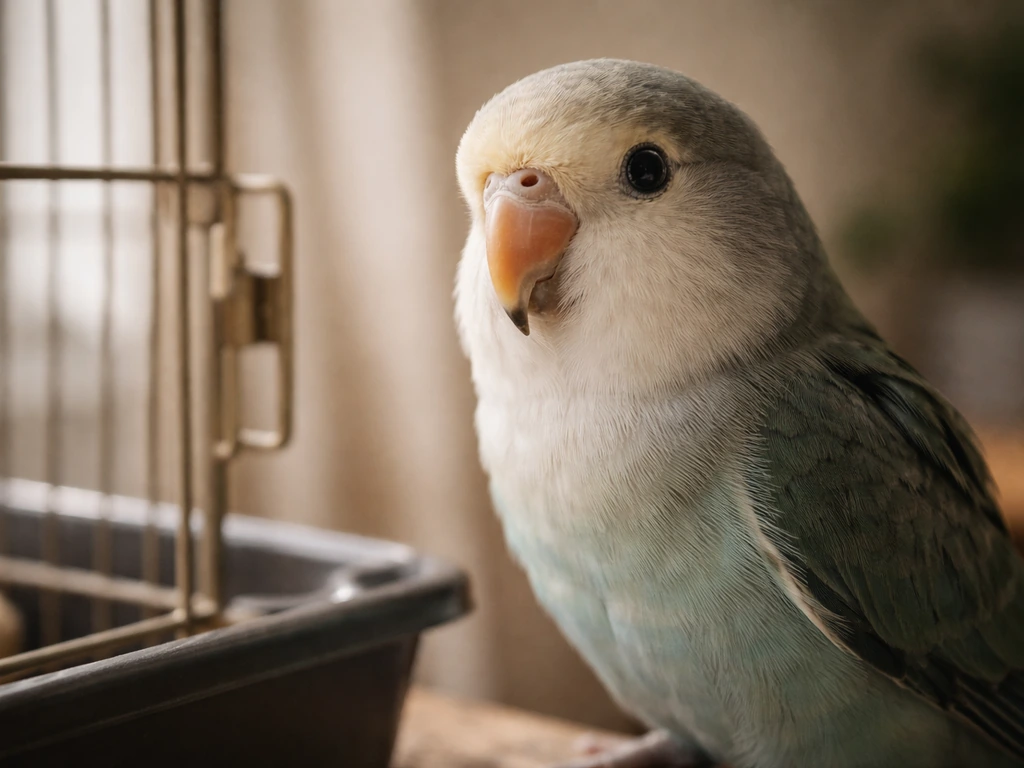
Why Is My Bird Making Weird Noises? Quick Triage Guide
Triage weird bird noises fast: spot normal calls vs breathing trouble, check stress and environment, know when to call a
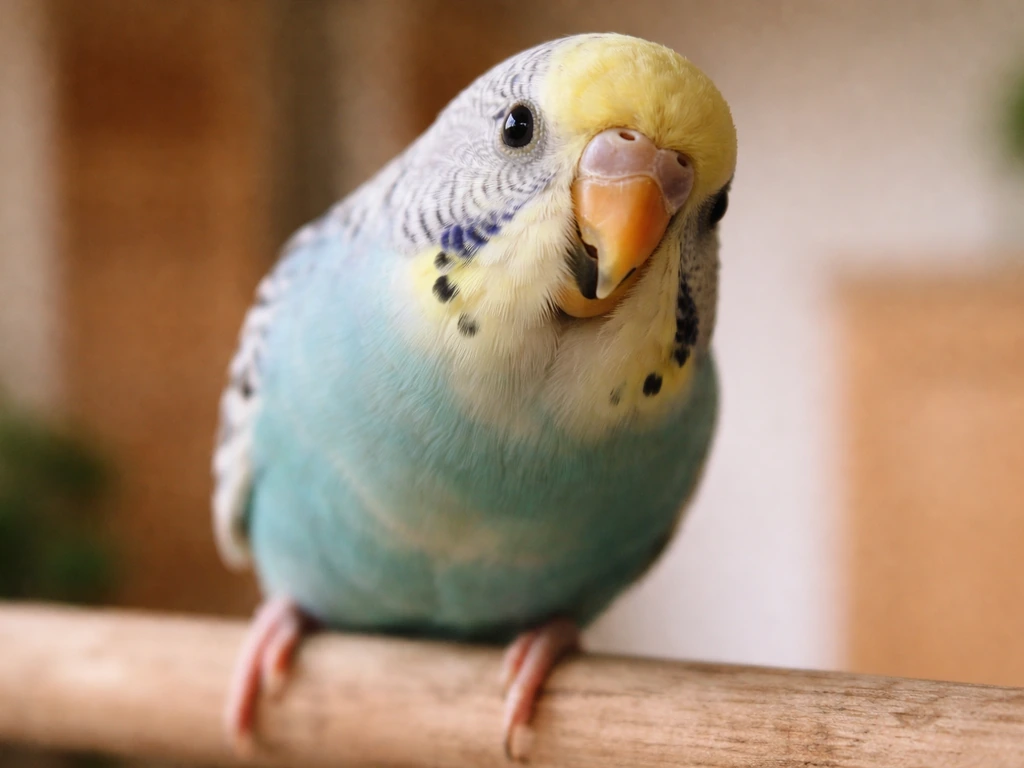
Why Is My Bird Making a Clicking Noise? Causes and Next Steps
Learn why your bird clicks, how to spot normal vs respiratory red flags, and the immediate vet-ready next steps.
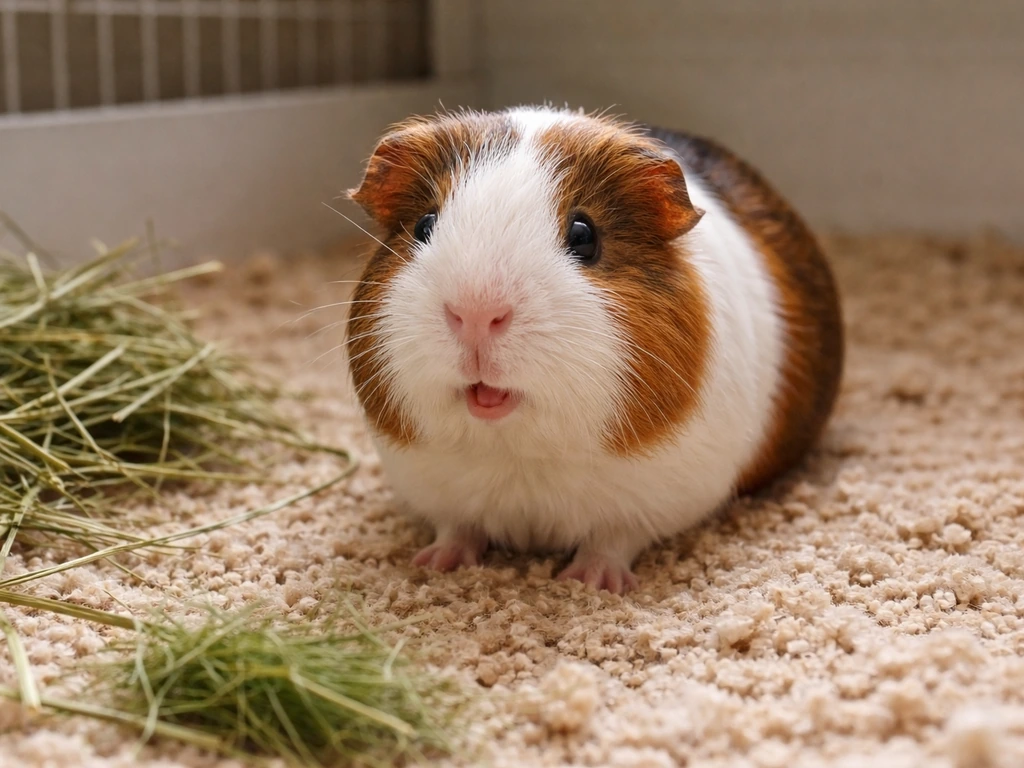
Why Do Guinea Pigs Chirp Like a Bird? Causes and Fixes
Learn why guinea pigs chirp like birds, how to read cues and body language, and when chirping signals pain or illness.