
Most beak noises you hear from a pet bird are completely normal: clicking, grinding, tapping, and soft rattling are all part of how birds communicate, settle down for the night, or work through a meal. The real question is whether the noise is coming from your bird's beak and behavior, or from its airway. Once you separate those two things, most of the guesswork disappears.
Why Is My Bird Making Noises With Its Beak? Causes and Fixes

Marcus Chen
24 Jun 2026
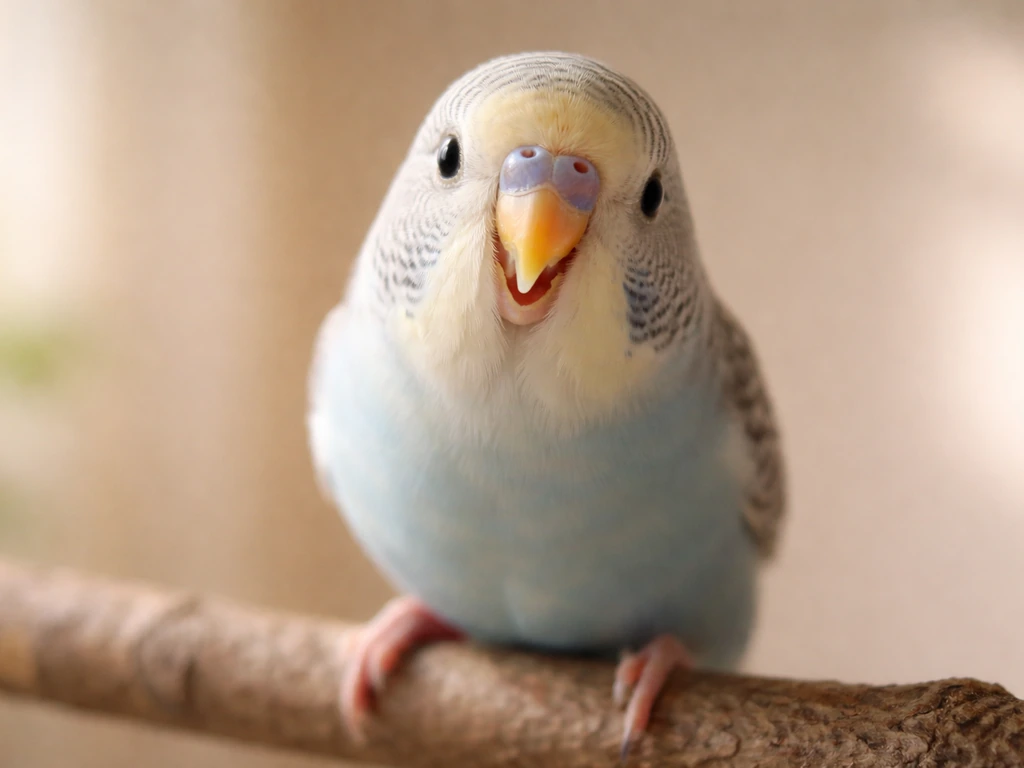
The main categories of beak noises and what they usually mean
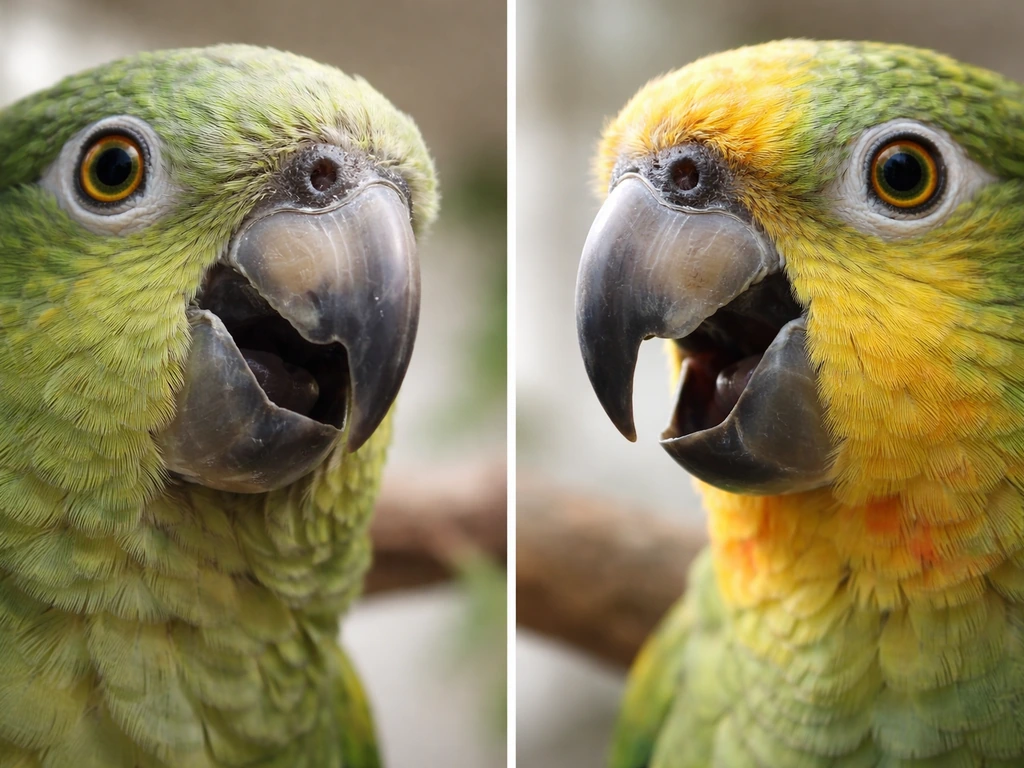
Beak noises generally fall into a handful of categories. Knowing the type of sound makes it much easier to figure out what's going on.
| Sound Type | What It Sounds Like | Most Common Cause |
|---|---|---|
| Beak grinding | Soft, rhythmic scraping or crunching | Contentment, settling in for sleep or rest |
| Beak clicking | Rapid rattling of upper and lower beak | Happy chatter, excitement, or mild alarm |
| Beak tapping/banging | Deliberate knocking against a surface | Attention-seeking, communication, boredom |
| Clicking with breathing effort | Clicks timed with each breath, wheezing | Possible respiratory issue (air sac mites, infection) |
| Soft bill-wiping sounds | Light scraping after eating | Normal grooming/preening behavior |
Grinding and clicking that happen in the context of a relaxed, bright-eyed bird are almost always benign. Budgies, for example, commonly grind their beaks softly as they drift off to sleep. That's a contentment signal, not a health flag. Clicking during play or social interaction is similarly normal. The sounds that warrant closer attention are clicks or rattles that seem tied to breathing, especially if they're new or getting more frequent.
Normal signs vs. signs worth worrying about
Before you go further, do a quick visual check. A healthy bird making beak noises will look like its normal self: alert posture, feathers smooth (not constantly fluffed), perching confidently, eating and drinking, and producing normal droppings. The noise is just part of the soundtrack of a busy bird.
These are the signs that shift beak noises into potential health concern territory. If you see any of these, take them seriously:
- Open-mouth breathing at rest (not after exercise or heat exposure)
- Tail bobbing with each breath, especially when the bird is sitting still
- Leaning forward and stretching the neck out to breathe
- Labored or visibly effortful breathing
- Fluffed-up feathers combined with lethargy or weakness
- Clicking or rattling sounds that are timed with each breath rather than beak movement
- Nasal discharge, wet or crusted nostrils, or discharge on the cere or face
- Visible mucus or sliminess inside the mouth
- Sudden change in voice quality alongside breathing effort
- Reduced appetite, unusual droppings, or inability to perch
A resting respiratory rate can also give you a clue. Smaller birds under about 300 grams normally breathe at roughly 30 to 60 breaths per minute; larger birds in the 400 to 1,000 gram range breathe at around 15 to 30 per minute. If your bird looks like it's working hard to breathe or is breathing faster than usual at rest, that's not a beak noise issue.
Likely causes: excitement, communication, eating, and preening
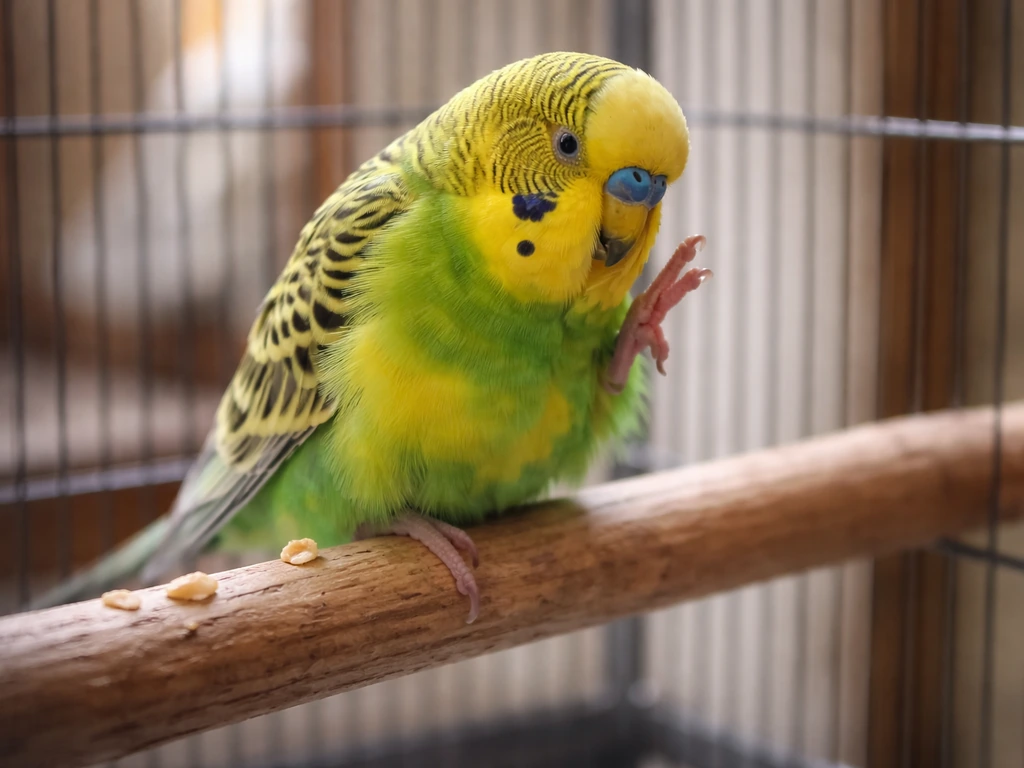
The most common reason a bird makes beak noises is simply that it's communicating or doing something normal with its beak. If you are wondering why your bird is clicking his beak, it helps to determine whether the sound happens with breathing, eating, sleep, or play. Here's what that looks like in practice:
- Excitement and happiness: Clicking and chattering often go up when a bird is stimulated, playing, or interacting with you. Context is everything here. A clicking bird with bright eyes and relaxed body language is a happy bird.
- Calling and social contact: Birds use beak sounds as part of their vocal toolkit. Tapping or clicking can be directed at you, at other birds, or at a mirror.
- Eating sounds: Cracking seeds, manipulating food, and scraping food off the beak against a perch all produce noises that can sound surprisingly loud. These are completely normal.
- Preening: Bill-wiping after eating, or working through feathers, produces soft scraping sounds that owners sometimes mistake for something concerning.
- Beak grinding during rest: This soft, rhythmic grinding is a well-known contentment signal in budgies and many other species. It typically happens as the bird settles down in the evening.
If the noise happens during or right after eating, during play, at flock-calling times, or as your bird is winding down for bed, it's almost certainly in this normal category. The sibling topics of beak grinding and beak clicking cover those specific sounds in more depth if you want to dig into one in particular.
Concerning causes: respiratory issues, airway irritation, and pain
Some beak noises are actually airway noises that owners initially attribute to the beak. This distinction matters because airway problems can deteriorate quickly in birds.
Air sac mites are a good example of how a 'beak noise' can actually be respiratory. Birds with air sac mites may produce high-pitched clicking sounds, sneeze, breathe with an open mouth, and bob their tails. If your bird is opening and closing its mouth along with beak-clicking, it can be a sign the sound is coming from the airway rather than the beak itself breathe with an open mouth. The clicking sounds like a beak noise, but it's coming from the airway. This is more common in finches and canaries but can affect other species.
Upper respiratory infections, including bacterial infections like chlamydiosis, can cause sneezing, nasal or eye discharge, and abnormal breathing sounds. If you notice labored or open-mouth breathing along with nasal discharge, VCA flags these as respiratory illness indicators in pet birds. Chlamydiosis in particular is worth knowing about because it's also zoonotic, meaning it can pass to humans, so prompt veterinary attention matters.
Pain is another cause that's easy to miss. A bird that's uncomfortable from an injury, internal problem, or mouth/beak lesion may make noises that seem like beak noises but are actually distress vocalizations. If the sound is new, seems to have no obvious trigger, and is paired with any behavior change, pain should be on your list of possibilities.
Rhinitis, or upper airway inflammation, shows up as sneezing with wet or crusted nostrils, louder-than-normal breathing, and sometimes discharge on the cere or face. It can worsen quickly, so noticing it early and acting on it matters.
Environmental and care triggers you can check right now
Birds have an extremely efficient respiratory system, which is part of what makes them so sensitive to airborne irritants. A simple rule of thumb: if you can smell it, it may be irritating your bird's respiratory tract. Many owners find that a new beak or breathing noise started after an environmental change they didn't immediately connect.
Common household triggers include:
- Aerosol products: air fresheners, spray cleaners, hair spray, dry shampoo, perfume, insect sprays
- Cooking fumes: overheated oil, burning food, fumes from non-stick cookware at high temperatures
- Smoke: cigarette smoke, incense, candles, fireplace smoke
- Cleaning products: bleach, ammonia-based cleaners, and other strong chemical agents
- Dusty bedding or substrate: fine particle dust from certain cage liners or substrates
- Paint, varnish, or renovation work in the home
- Dirty air ducts or poor ventilation circulating accumulated dust
- Low humidity: dry air can irritate mucous membranes and make birds more susceptible to respiratory irritation
- Cage placement near a kitchen, bathroom, or laundry area where fumes and steam concentrate
The AAV recommends avoiding aerosol sprays entirely around pet birds and suggests a portable air cleaner as a practical layer of protection. Moving the cage to a well-ventilated room away from the kitchen is one of the simplest and most effective things you can do if you're not sure what's triggering the noise.
What to do today: your step-by-step at-home check
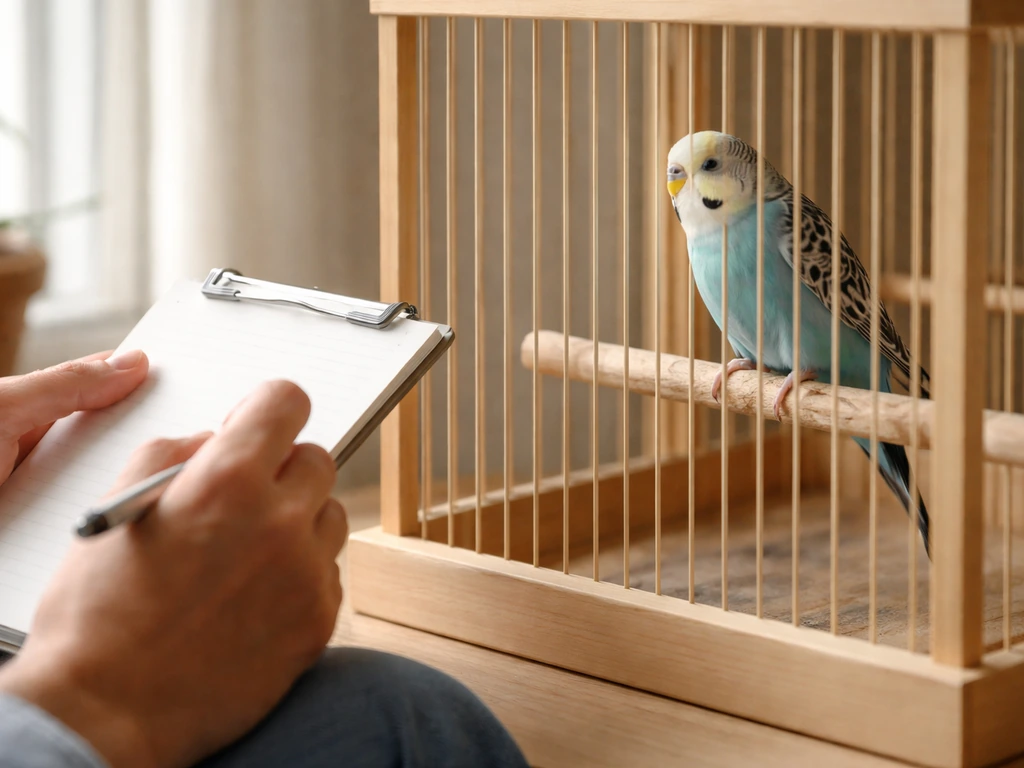
Run through this process before deciding whether you need a vet visit or just need to monitor the situation.
- Watch your bird without disturbing it for at least five minutes. Note what it's doing when the noise happens: eating, preening, playing, calling, or resting. Noise during these activities is almost always normal.
- Check the breathing. Is the beak open or closed? Is the tail bobbing with each breath? Is the bird stretching its neck forward to breathe? If yes to any of these, move straight to the vet contact step below.
- Look at the nostrils and cere. Are they clean and dry, or wet, crusted, or discolored? Check for any discharge on the face or around the eyes.
- Open the cage and look at the beak and mouth if your bird is tame enough to allow it. Look for any visible debris, mucus, swelling, or unusual color inside the mouth.
- Check posture and energy. Is the bird sitting up alertly, or hunched and fluffed? Can it perch normally? Has it been eating and drinking today?
- Check recent droppings. Normal droppings have a solid green or brown portion, white urates, and some liquid. Very watery, discolored, or absent droppings alongside a new noise are a warning sign.
- Think back over the last 24 to 72 hours. Did you use any aerosol products, burn a candle, cook something that smoked, clean with a strong product, or change bedding? If yes, open windows, move the bird to a fresh-air room, and remove the suspected irritant.
- Record a short video of the noise on your phone, ideally from two angles. Note how often it happens and for how long. This becomes critical if you end up calling a vet.
- If you find no concerning signs and the noise maps onto eating, preening, play, or rest, monitor for 24 hours. If it continues unchanged without other symptoms, it's likely behavioral.
- If you find any of the warning signs from the checklist above, don't wait. Contact an avian vet today.
Quick environmental fixes to try immediately
- Move the cage away from the kitchen and any rooms where you use aerosols or strong cleaners
- Open windows and improve ventilation in the bird's room
- Turn off any candles, air fresheners, or diffusers near the bird
- Switch to unscented, bird-safe cleaning products for cage cleaning
- If the air is very dry, add a cool-mist humidifier nearby (not directly at the cage)
- Avoid using hair products, perfume, or spray anything in the same room as the bird
- If you suspect dusty bedding, switch to a low-dust alternative and clean the cage more frequently
When to call an avian vet and what to tell them
Some situations don't need a wait-and-see approach. Contact an avian vet today, not tomorrow, if your bird shows any of the following:
- Open-mouth breathing at rest
- Tail bobbing with each breath while sitting still
- Clicking or rattling sounds timed to breathing rather than beak movement
- Neck stretching or leaning forward to breathe
- Nasal or eye discharge, wet or crusted nostrils
- Visible mucus inside the mouth
- Fluffed feathers with weakness or inability to perch
- Any sudden change in voice alongside breathing effort
- Reduced or absent food intake for more than 12 hours
- Known or suspected exposure to a toxic fume, smoke, or chemical
When you call, have this information ready. Vets can help you much faster when you come prepared:
- Species, age, and how long you've had the bird
- A video of the noise (record it before you call if possible)
- When the noise started and how often it happens
- Whether it's tied to specific activities like eating, preening, or breathing
- Any other symptoms you've noticed: discharge, posture changes, droppings changes, appetite
- Any recent environmental changes: new products used, smoke exposure, moved cage, changed bedding, renovation work
- Your bird's last normal eating and drinking time
One important note: if your bird is visibly in respiratory distress, try not to handle it more than necessary while getting to the vet. Stress from handling can make breathing difficulty worse. Keep it warm, calm, and in its carrier with minimal disruption until you get professional help.
For beak-specific sounds that don't involve breathing trouble at all, such as beak grinding during sleep, repetitive clicking during play, or beak banging against the cage bars, those behaviors have their own patterns and causes worth understanding separately. The short version: most of the time, a beak-noise investigation that rules out respiratory involvement leaves you with a healthy bird expressing itself in very normal ways.
FAQ
How can I tell if the noise is coming from the beak or from the airway in the moment?
Watch what your bird does when the sound happens. If the beak noise is paired with open-mouth breathing, tail bobbing, repeated sneezes, or visible chest/upper-body effort, it is more likely airway-related than beak-related.
Is a one-time beak click ever normal?
Yes. Brief clicking during play, mild social interaction, or right after eating is often normal, especially if your bird’s posture, appetite, and droppings are unchanged and breathing looks effortless.
What signs mean the sound is getting worse and I should not wait?
If the noise becomes more frequent, starts appearing at rest, or is accompanied by faster breathing, mouth-bobbing, open-mouth breathing, discharge, or reduced appetite, treat it as escalating and arrange an avian vet visit promptly.
Can airborne scents or fumes cause “beak” noises even if my bird seems otherwise fine?
Yes. Birds can react early to irritants, so you might hear clicking or louder breathing before other symptoms show up. If the noise began after a change in kitchen products, cleaning agents, candles, smoke, or aerosols, stop the source and improve ventilation immediately.
Does changing bedding, food, or cage accessories sometimes trigger respiratory irritation?
It can. New wood shavings, dusty bedding, strong-smelling pellets, or freshly cleaned cages can release particles or fumes. Use low-dust options, rinse thoroughly after cleaning, and monitor for 24 to 72 hours after the change.
How should I record what I’m hearing so a vet can diagnose faster?
Note the time of day, what your bird was doing (sleep, eating, calling, resting), whether breathing effort changes, and any other signs like sneezing or discharge. If possible, take a short phone video showing posture and breathing while the sound occurs.
Should I use supplements or essential oils if I think it’s “just irritation”?
Avoid essential oils and many fragrance products, they can worsen respiratory irritation. Instead, focus on removing the trigger, keeping air clean, and only use bird-safe medications if your avian vet directs them.
Could beak noises be caused by pain, even if my bird still eats?
Yes. Birds may keep eating while in discomfort. Watch for subtle behavior changes, reluctance to perch, head shaking, face rubbing, reduced preening, or a new “distress” tone, these can point to beak or mouth pain rather than normal beak communication.
What if my bird has nasal or eye discharge along with beak clicking?
That pattern fits more with upper respiratory inflammation or infection than with normal beak clicking. Discharge, crusting, and abnormal breathing sounds are reasons to contact an avian vet soon rather than monitoring at home.
Is it safe to handle my bird to check its beak while I’m worried about breathing?
If you see signs of respiratory distress, minimize handling. Stress can make breathing worse. Keep your bird warm, calm, and in its carrier, then transport to an avian vet promptly.
Can mites in the air sacs sound like beak clicking?
They can. Air sac mite cases may involve high-pitched clicking, sneezing, tail bobbing, and breathing with an open mouth. If you see those respiratory cues, don’t assume it is normal beak behavior.
Does species or size change how I interpret breathing rate?
Yes. Smaller birds typically breathe faster than larger ones, so a “normal” rate depends on size. If breathing is faster than your bird’s usual resting pattern or looks like it takes effort, treat it as a health concern even if the sound seems beak-related.
Next Articles
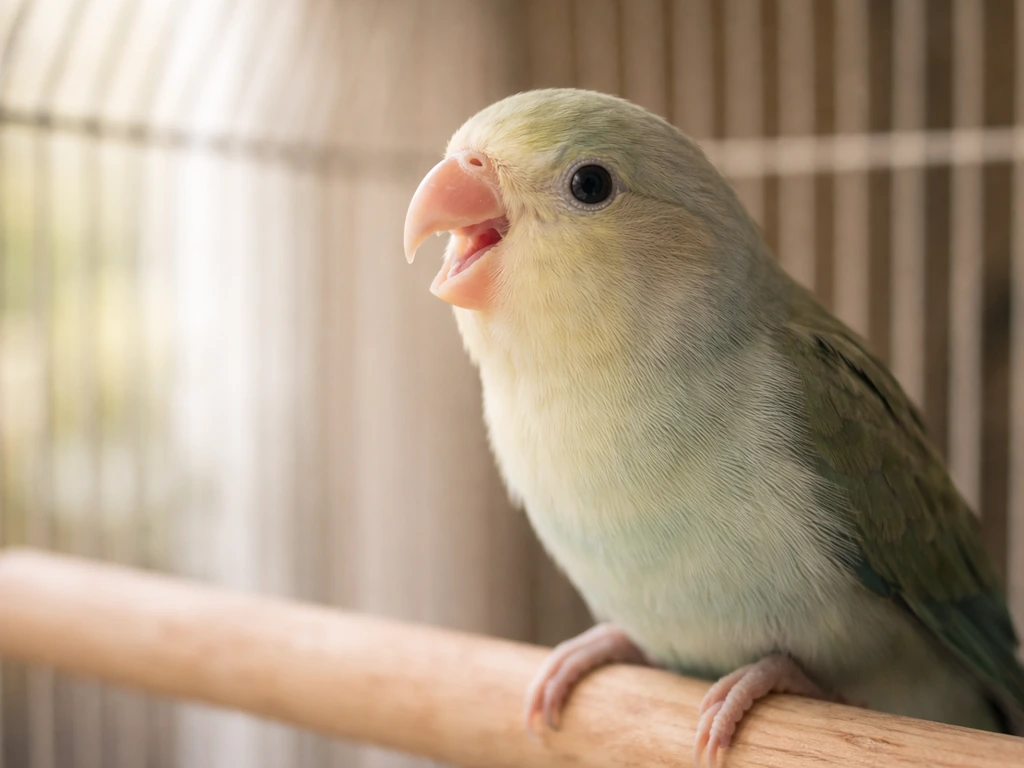
Why Is My Bird Clicking His Beak? Causes and What to Do
Reasons your bird clicks his beak and quick checks to rule out irritation, stress, or breathing problems
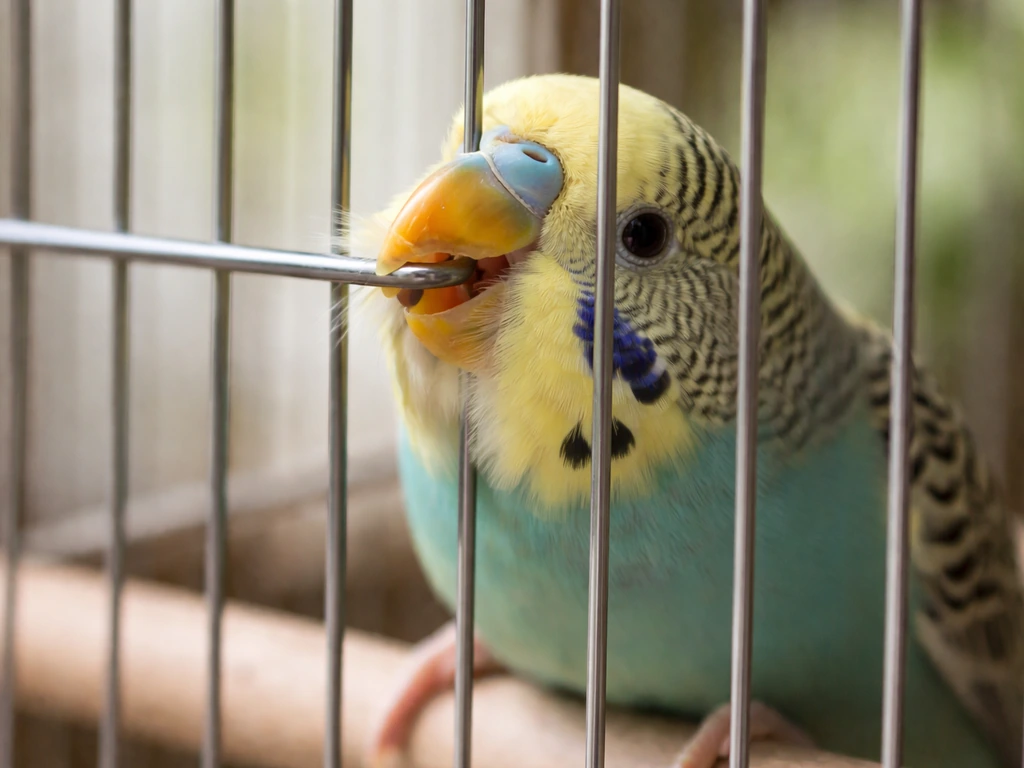
Why Does My Bird Bang His Beak on the Cage? Causes and Fixes
Learn why your bird bangs his beak on the cage and what to check and fix, from boredom to beak or pain issues.
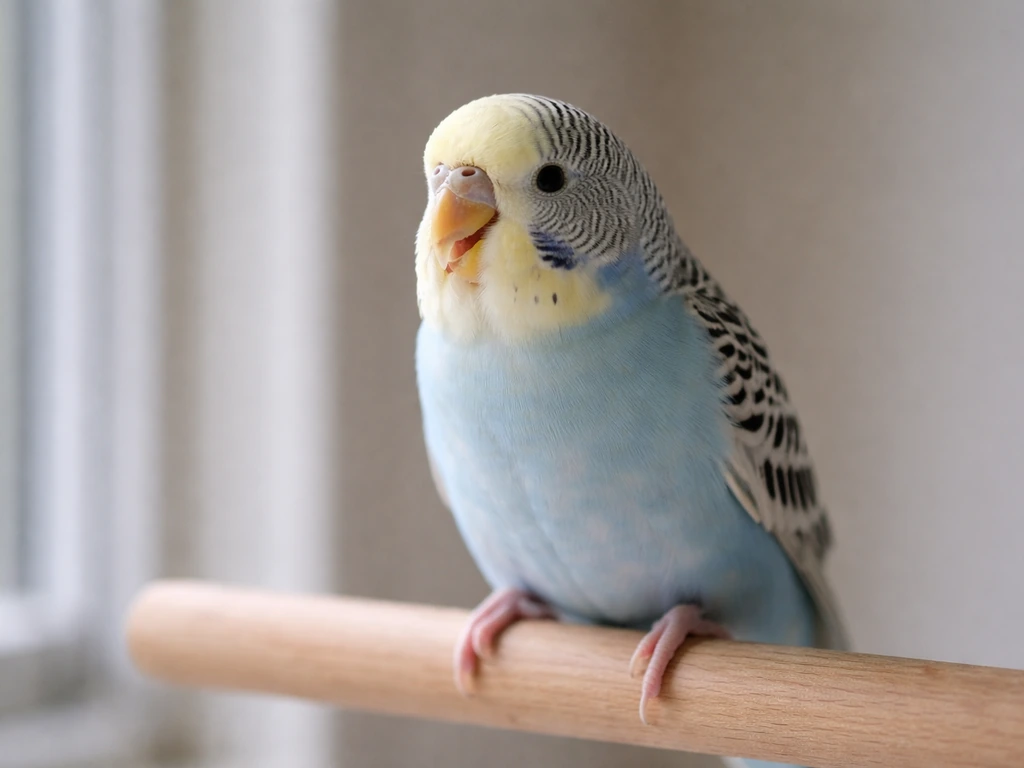
Why Is My Bird Opening and Closing His Mouth?
Learn why your bird opens and closes its beak, spot breathing red flags, and get step-by-step actions for today.