
If your bird is twitching and you're not sure whether to panic or ignore it, here's the short answer: it depends on the context. Some twitching is completely normal, some is a sign of stress or discomfort, and some is a genuine medical emergency, especially if your bird is also puffed up. The goal of this guide is to help you figure out which category you're dealing with right now, and what to do about it today.
Why Is My Bird Twitching? Causes and What to Do Now

Marcus Chen
23 Mar 2026
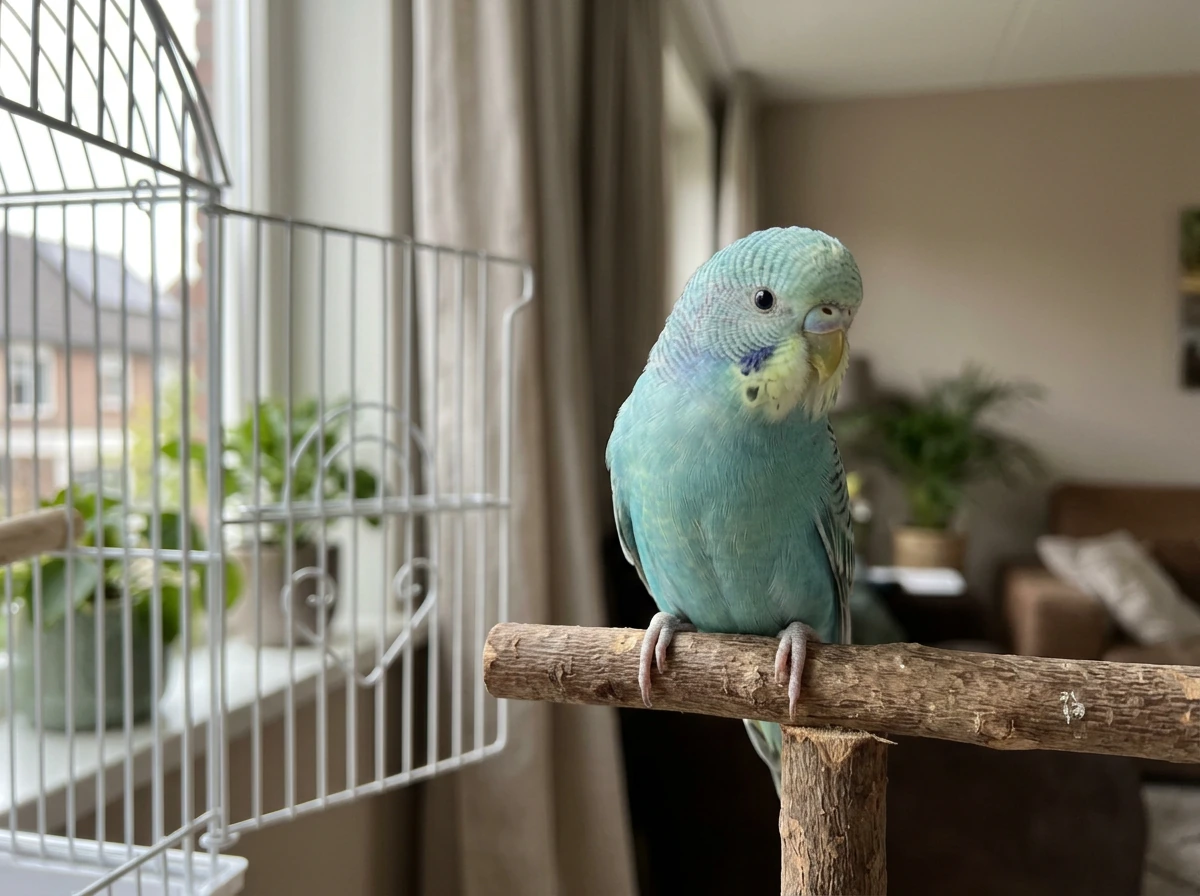
Quick Reality Check: Normal Twitching vs. a Red Flag
Not every twitch means something is wrong. Birds twitch during light sleep, when they're excited, when a feather is irritating them, or when they're reacting to a sudden sound. These movements are usually brief, happen once or twice, and stop on their own. Your bird's overall behavior before and after the twitch tells you a lot.
A twitch becomes a red flag when it's repetitive, rhythmic, or doesn't stop. The Association of Avian Veterinarians (AAV) specifically lists constant muscle twitching as a sign that warrants a vet visit. If you're also seeing fluffed feathers, balance problems, open-mouth breathing, or a bird that seems lethargic and disengaged, you're no longer in normal-behavior territory.
| Likely Normal | Warrants Closer Watching | Contact a Vet Today |
|---|---|---|
| Single twitch during sleep | Repeated twitching over 10–15 minutes | Constant, uncontrolled muscle twitching |
| Brief wing flutter after landing | Twitching paired with fluffed feathers | Twitching with loss of balance or falling |
| Head shake to clear nostril | Bird seems unusually tired or quiet | Open-mouth breathing alongside twitching |
| Excitement twitch during play | Twitching after a new food or medication | Seizure-like episode or full body spasm |
| Feather-settling wing adjustment | Twitching paired with tail bobbing | Bird unresponsive or unable to perch |
Common Causes: Stress, Excitement, Sleep, and Mild Irritation
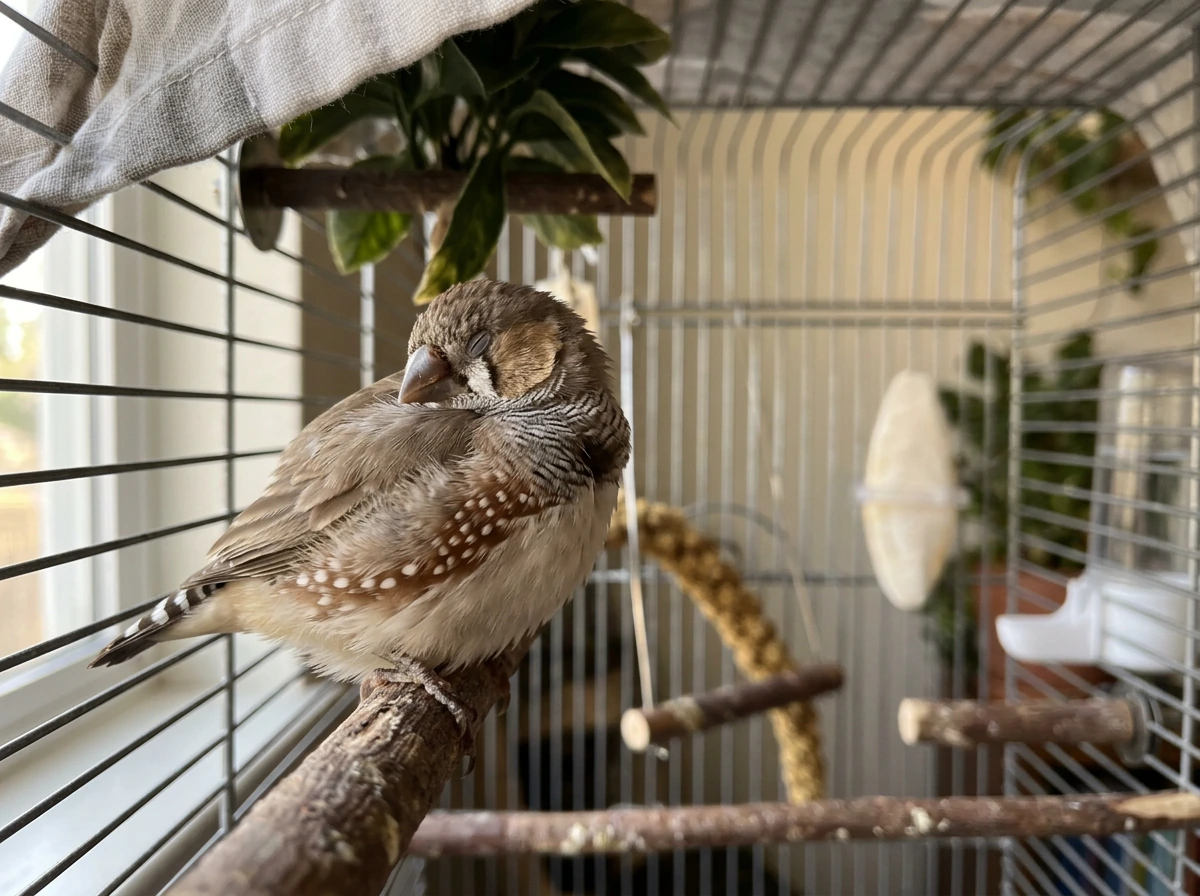
The most frequent reasons a pet bird twitches are behavioral, not medical. Once you understand these, a lot of scary-looking moments become much less alarming.
Sleep Twitches
Birds go through sleep cycles similar to mammals, including periods of lighter REM-like sleep where small muscle twitches happen naturally. If your bird is napping and you notice a quick leg or wing flicker, that's almost always nothing to worry about. It stops when they wake up, and they're completely normal afterward.
Excitement and Anticipation
A bird that's about to get a treat, sees its favorite person walk in, or is gearing up to vocalize will sometimes twitch its wings or bob and twitch its head. This is basically the bird equivalent of bouncing with excitement. You'll usually see it paired with bright eyes, alert posture, and active vocalization, not the huddled, quiet look of a sick bird.
Stress and Fear
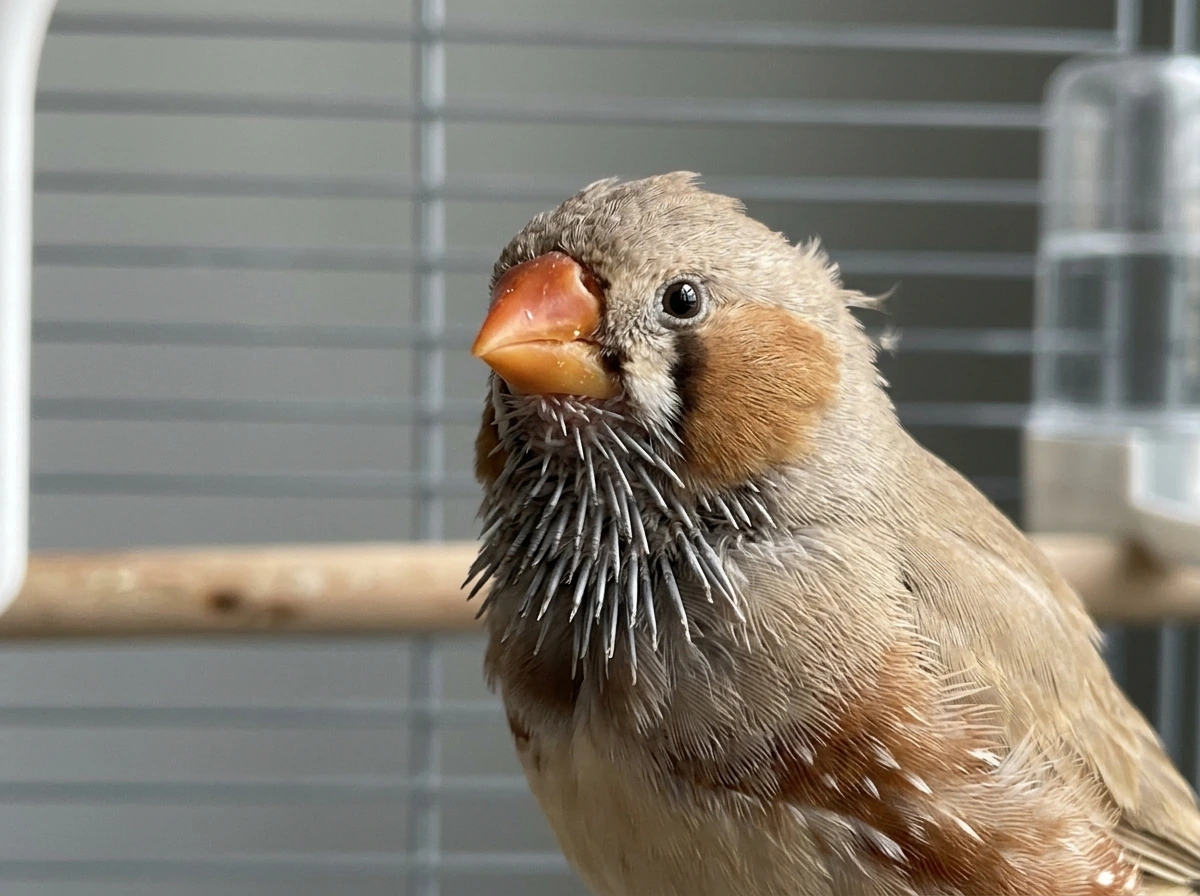
A stressed or frightened bird can twitch, tremble, and shiver, one of the common reasons to ask “why is my bird vibrating. If the trembling comes along with other red flags, it can help to review why birds shiver and what to look for next. ” why is my bird vibrating” Loud noises, a new person in the room, a nearby predator (even a reflection), or significant routine changes can all trigger this. The twitching typically calms once the stressor is removed. If your bird twitches every time a specific thing happens, that's a stress response worth addressing, but it's not a neurological emergency.
Feather Irritation or Pin Feathers
Pin feathers (new feathers growing in) can be sensitive and itchy. A bird with several pin feathers coming in around the head, neck, or wings will sometimes twitch those areas repeatedly trying to relieve the sensation. This looks more purposeful than random, and you can often spot the pin feathers if you look closely.
Temperature and Humidity Issues
If your bird is cold, it may shiver and twitch in a way that looks a lot like a health problem. Most pet birds do fine in a room temperature range of roughly 50 to 75 degrees Fahrenheit, but a sick or cold bird needs more warmth, closer to 80 to 95 degrees Fahrenheit according to Purdue University's avian husbandry guidance. Humidity also matters: 40 to 50 percent relative humidity is the ideal range for most pet birds. Too dry and too cold can both cause physical discomfort that shows up as twitching or shivering. (There's more detail on shivering specifically in the related article on why birds shiver.)
Health-Related Causes: Pain, Neurological Issues, Seizures, and Tremors
When twitching isn't behavioral, it can point to something more serious. This is the part where you need to shift from casual observation to structured monitoring.
Pain and Discomfort
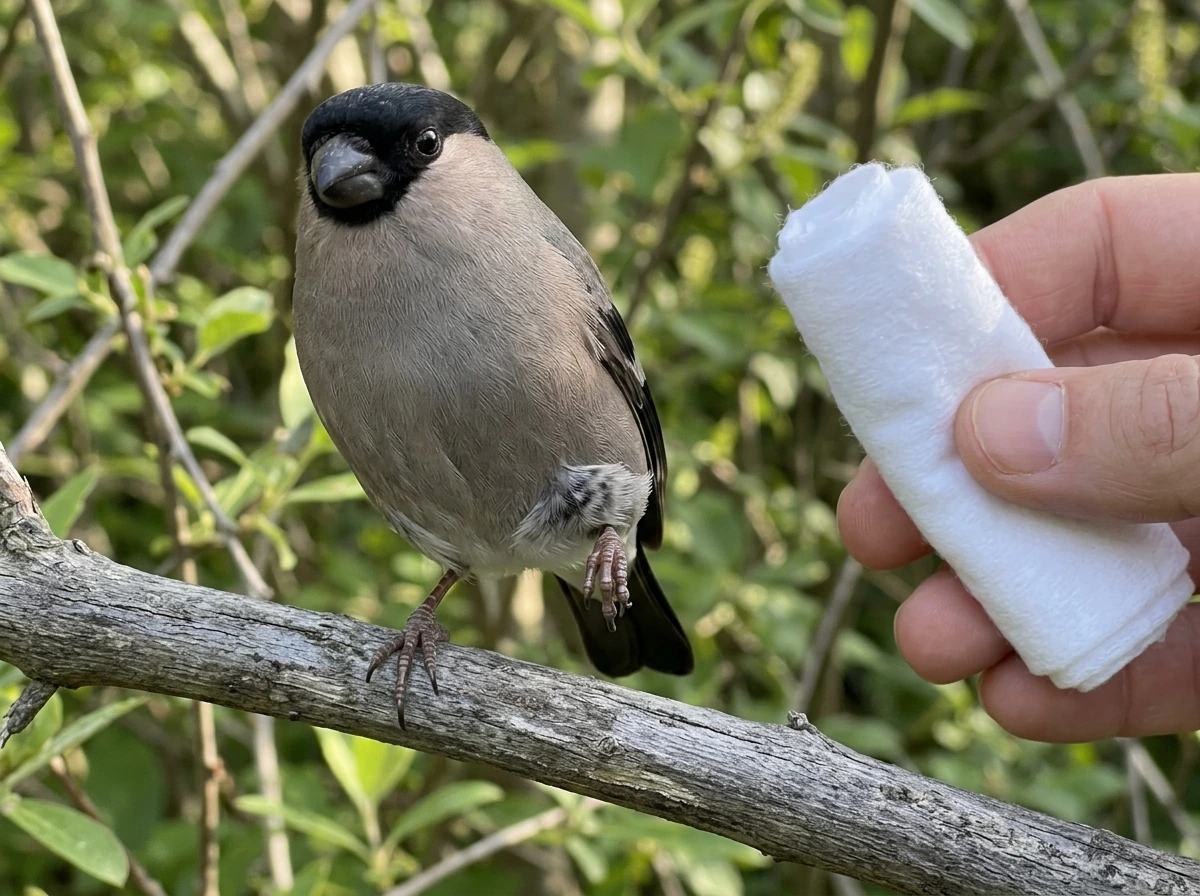
A bird in pain will often twitch the affected area. A sore foot, an injured wing, or internal discomfort can all manifest as repetitive localized movement. Pain-related twitching tends to be more consistent and location-specific. You might also notice the bird guarding that body part, avoiding pressure on it, or being unusually sensitive when you approach that area.
Neurological Problems and Tremors
Neurological issues produce a different quality of movement, typically finer, faster, and more rhythmic than behavioral twitches. Avian clinicians distinguish between twitches, trembles, spasms, and seizures during neurological exams because these patterns point to different underlying causes. One condition, avian encephalomyelitis, produces fine intermittent tremors of the head, neck, and legs, along with ataxia (loss of coordination) and leg weakness that can progress if untreated. These tremors can also be made worse by handling or fear. This is not something to manage at home.
Seizure-Like Episodes
A seizure in a bird can look like a sudden full-body spasm, loss of grip on the perch, falling, or convulsive movement followed by a period of disorientation. Central nervous system disorders can produce localized muscle twitching that escalates into full seizure patterns. If you witness something that looks like a seizure, that is a same-day emergency call to an avian vet, not a wait-and-see situation.
Toxin Exposure
Exposure to household toxins (non-stick cookware fumes, certain cleaning products, scented candles, pesticides, or heavy metals from toys and cage hardware) can cause sudden neurological symptoms including twitching, trembling, and seizures. If the twitching came on suddenly and you've used something in the home recently, that's critical information to share with a vet immediately.
Nutritional Deficiencies
Calcium and vitamin deficiencies, especially in birds on seed-only diets, can cause muscle tremors and weakness. This is a slow-developing problem, but the twitching it causes can look very similar to neurological twitching. Your vet will be able to check for this with bloodwork.
Wing and Head Twitching Patterns and What They May Mean
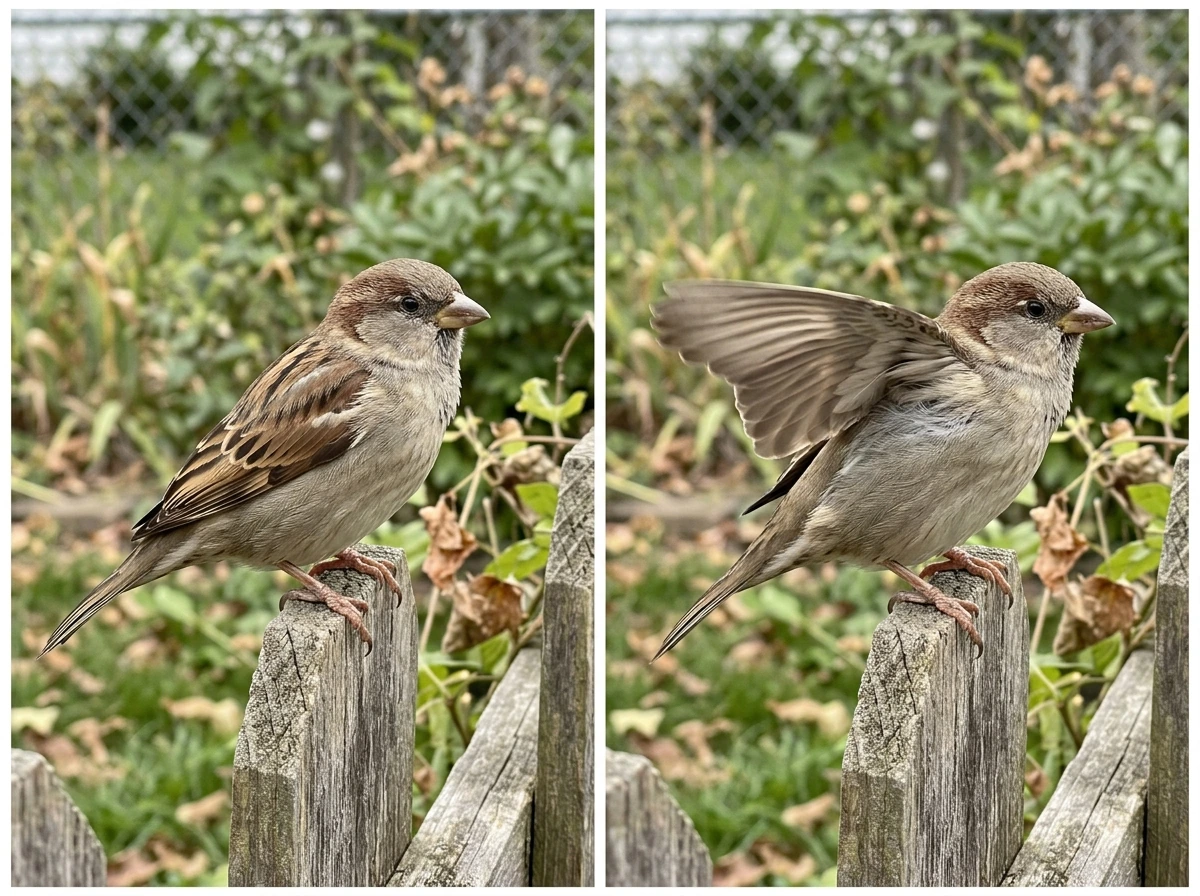
Location matters a lot when you're trying to figure out what's going on. Wing twitching and head twitching often have different causes, and knowing which one you're seeing helps narrow things down.
Twitching Wings
A quick wing flick after landing or preening is completely normal. Birds adjust their feathers constantly, and wing twitching is often just part of that grooming routine. However, if one wing is drooping and twitching while the other is held normally, that asymmetry is a warning sign of injury or nerve damage. Wing twitching during rest, especially if it's rhythmic and continuous, is also worth documenting and reporting to a vet. If both wings are held out slightly from the body and the bird is panting, that's actually a sign the bird is overheating, not twitching from a neurological cause.
Twitching Head
Head twitching is one of the more concerning patterns because fine, rhythmic head tremors are associated with neurological conditions. A normal head shake, the kind a bird does to clear its nostrils or react to a sound, is quick and purposeful. A pathological head tremor is repetitive, can't be voluntarily stopped, and may worsen when the bird is stressed or frightened. Head tilt combined with twitching suggests vestibular involvement, meaning the inner ear or brain structures that control balance. That combination needs veterinary attention quickly. (You may also want to check the related article on why birds shake for more context on distinguishing shaking from twitching.)
What to Do Right Now: Observe and Troubleshoot at Home
Before you call the vet or before you decide everything is fine, take 15 to 20 minutes to observe carefully. What you document now will be useful regardless of which direction this goes.
- Note the exact movement: Is it the head, one wing, both wings, the legs, or the whole body? Is it a flick or a sustained tremor?
- Time it: How long does each episode last? How frequently does it happen? Is it constant or does it come and go?
- Check posture: Is the bird sitting normally and alert, or is it fluffed, hunched, or sitting on the cage floor?
- Check breathing: Is the bird breathing with its mouth open? Is the tail bobbing rhythmically with each breath? Are there any sounds?
- Check balance: Can the bird grip the perch normally? Is it swaying, falling, or tilting its head?
- Check appetite and droppings: Did it eat today? Are the droppings normal in color and consistency?
- Think about triggers: Did the twitching start after a new food, a new toy, a cleaning product used nearby, or a sudden loud event?
- Check the environment: What's the room temperature? Is there a draft? When did you last check the humidity?
Safe Steps You Can Take Right Now
If the twitching seems mild and your bird is otherwise behaving normally, here are a few practical things you can do while you monitor:
- Move the cage away from drafts, air vents, and windows with direct sun or cold exposure.
- If the bird seems cold, provide gentle warmth. Use a heating pad on the lowest setting placed under one side of the cage (not the entire bottom), with a towel between the heat source and the cage to prevent burns. The bird should be able to move away from the heat.
- Reduce stimulation. Lower noise levels, dim lights slightly, and give the bird space if it seems stressed.
- Do not handle excessively. Handling a twitching bird that may be in pain or neurologically compromised can make things worse and stresses the bird further.
- Remove any new items from the environment that could be a toxin source: scented candles, new cage accessories, aerosols, or freshly applied non-stick cookware.
- Offer familiar food and fresh water, but don't force eating.
Keep watching. If the twitching stops and your bird returns to normal behavior, eating, vocalizing, and moving around normally, you can reasonably continue monitoring. If anything changes or worsens, move to the next step.
When to Call an Avian Vet and What to Tell Them
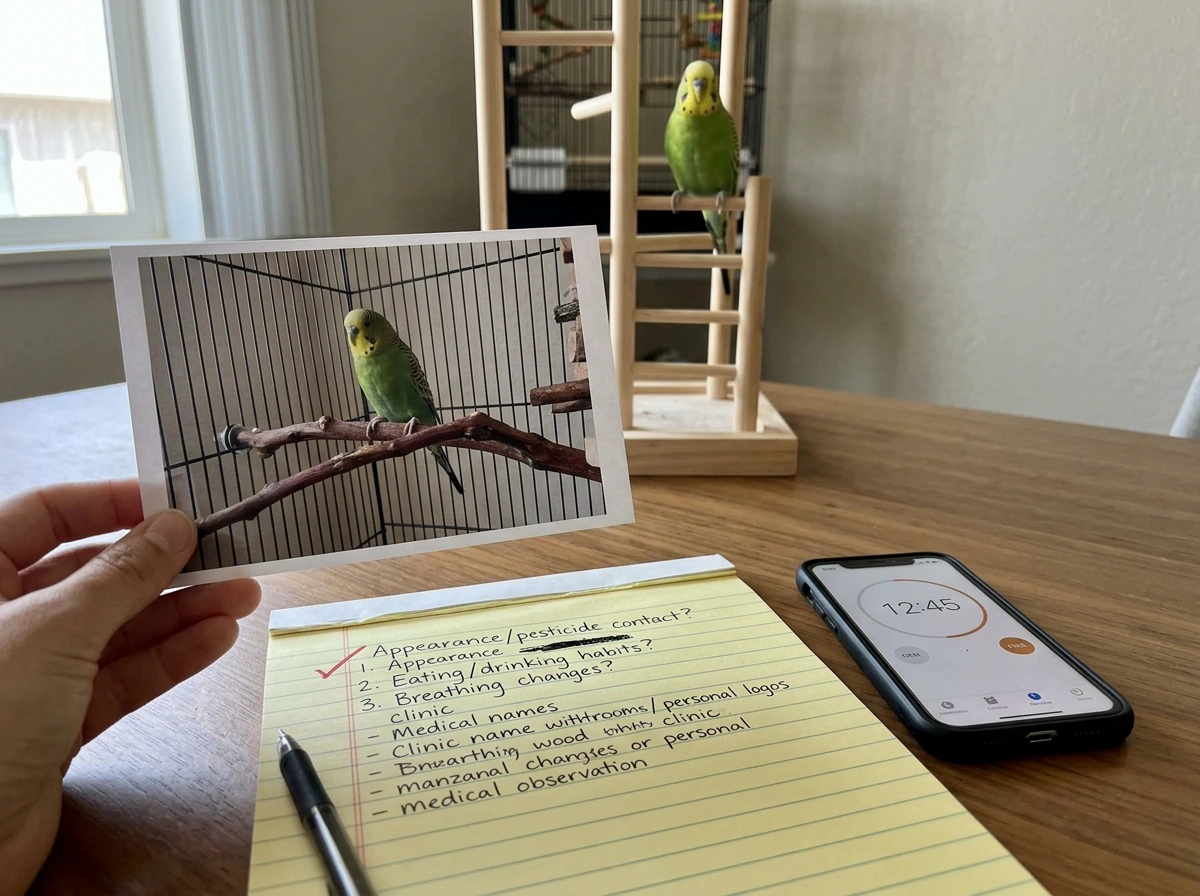
One of the hardest things about birds is that they're wired to hide illness. By the time twitching is obvious and persistent, the underlying problem has often been developing for a while. Don't wait too long to make the call.
Call an Avian Vet Today If You See Any of These
- The twitching is constant or has been going on for more than 30 minutes without stopping
- Your bird has lost balance, fallen from its perch, or can't grip
- You see open-mouth breathing, tail bobbing with each breath, or any labored breathing
- The bird had what looked like a seizure, a full-body spasm, or an episode of unresponsiveness
- The bird is fluffed, lethargic, or sitting on the cage floor
- Head tilt is present alongside the twitching
- The twitching came on suddenly and is getting worse
- You think there may have been toxin exposure
- Your gut says something is seriously wrong
When you call, the vet will get more out of the conversation if you come prepared. Here's what to have ready:
- Species, age, and sex of your bird (if known)
- Exactly what the twitching looks like and which body part is involved
- When it started and how often it's happening
- Whether the bird is eating, drinking, and producing droppings
- Current posture, breathing, and balance
- Any recent changes: new food, new toys, cleaning products, construction nearby, new pets or people in the home
- Current diet and any supplements
- Whether you've noticed anything else unusual in the last few days, even small things like sleeping more or being less vocal
If possible, take a short video of the twitching on your phone before you go. A 20-second clip of what you're seeing is one of the most useful things you can bring to an appointment, because twitching often stops when the bird is handled or stressed in a new environment, and the vet may not see the same behavior in the exam room.
The bottom line: mild, brief, context-appropriate twitching in an otherwise healthy-acting bird usually has a benign explanation. But persistent, rhythmic, or escalating twitching, especially paired with any other symptom, is your bird asking for help. Trust what you're seeing, document it carefully, and don't hesitate to call a vet who specializes in birds. An avian vet is always the right call when you're genuinely unsure.
FAQ
How can I tell if my bird’s twitching is just sleep or something that needs a vet visit?
Use a quick pattern check. Sleep-related twitching is brief, happens during napping, and your bird resumes normal posture and movement afterward. If the twitching continues when the bird is clearly awake, becomes repetitive or rhythmic, or is paired with fluffed feathers, open-mouth breathing, or coordination problems, schedule an avian vet visit.
What should I do if my bird twitches more when I handle it?
First, keep handling minimal and avoid restraining for long periods. If handling increases the movement, it can still be stress-related, but it can also worsen certain neurological issues. Record a short video from a distance, note what you did right before the twitching, and contact an avian vet for guidance the same day if it’s persistent or escalating.
Is head twitching always an emergency?
Not every head twitch is an emergency, but fine, repetitive head tremors are more concerning than quick head shakes used to clear nostrils or react to a sound. If the head tremor cannot be voluntarily stopped, worsens with fear or handling, or comes with head tilt or balance issues, treat it as a veterinary priority.
My bird twitches and seems to be shivering, could it just be cold?
Yes, cold can look similar to illness. Confirm the room temperature and also consider drafts and airflow from windows or doors. If you can safely warm the bird to the typical upper comfort zone (around 80 to 95°F for birds that are cold), and the twitching improves, that points toward temperature or humidity discomfort. If there is no improvement after warming or other symptoms appear, call a vet.
What “other symptoms” should I watch for besides twitching?
Watch for breathing changes (open-mouth breathing, panting), posture changes (hunched, hiding, fluffed and staying fluffed), neurological signs (ataxia or falling, weakness), and behavior changes (lethargy, not engaging, reduced appetite). If twitching is paired with any of these, don’t rely on monitoring alone.
How do I document twitching in a way that actually helps the vet?
Write down time of onset, how often it happens, which body part moves (wing, head, leg), and what else is occurring (sleeping, preening, exposed to noise, after treat time). Take a short video from a consistent angle when possible, and note whether the movement stops or changes when you step away versus when you approach.
Could a household product or fume cause twitching even if I didn’t see poisoning?
Yes. Sudden onset twitching after using things like scented candles, strong cleaners, aerosols, pesticide exposure, or non-stick cookware can cause neurological symptoms. If you used anything in the previous day or two and twitching started abruptly, tell the vet immediately. Also stop exposure right away and ventilate the space if it’s safe to do so.
Can diet issues cause twitching, and how quickly would that happen?
Calcium and vitamin deficiencies, especially in birds on seed-only diets, can cause tremors and weakness, and it may develop gradually rather than overnight. If your bird’s twitching is persistent and the bird is also less active or weak, ask the avian vet about bloodwork for nutritional causes, not just neurological testing.
What if the twitching is only in one wing, and the other wing looks normal?
Asymmetry matters. If one wing is drooping or twitching while the other stays normal, it can indicate injury, pain, or nerve involvement. This is different from routine preening, and it’s worth documenting and having evaluated by an avian vet, especially if the bird guards that wing or avoids pressure.
When should I call a vet immediately versus watching for a while?
Call right away (or same-day) if the twitching is full-body spasms, looks like a seizure, includes loss of grip or falling, or is accompanied by disorientation. If it’s brief and occurs only in a clear context like light sleep or excitement, and the bird quickly returns to baseline, monitoring can be reasonable. If it’s repetitive, escalating, or paired with any neurological or breathing issue, don’t wait.
Is it safe to warm or cool my bird at home to see if it helps?
You can adjust warmth carefully if you suspect temperature discomfort, but avoid extreme changes. Aim for a gradual, safe warm-up and ensure the bird can move away if it wants. If symptoms worsen, the bird is panting, or there’s any balance issue or seizure-like movement, stop home adjustments and contact an avian vet.
Next Articles
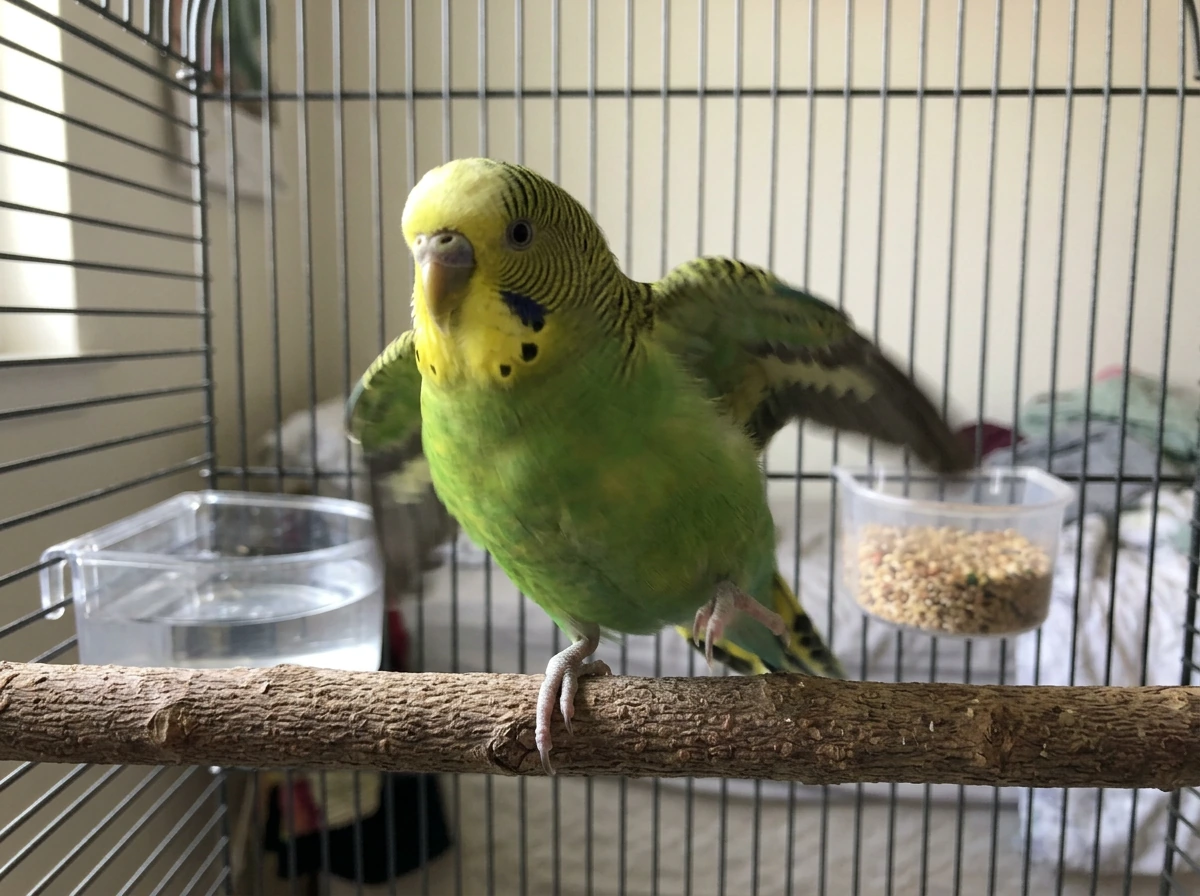
Why Is My Bird Shaking? Causes and What to Do Now
Learn why your bird shakes, including while sleeping or with heavy breathing, plus what to do now and emergency signs.
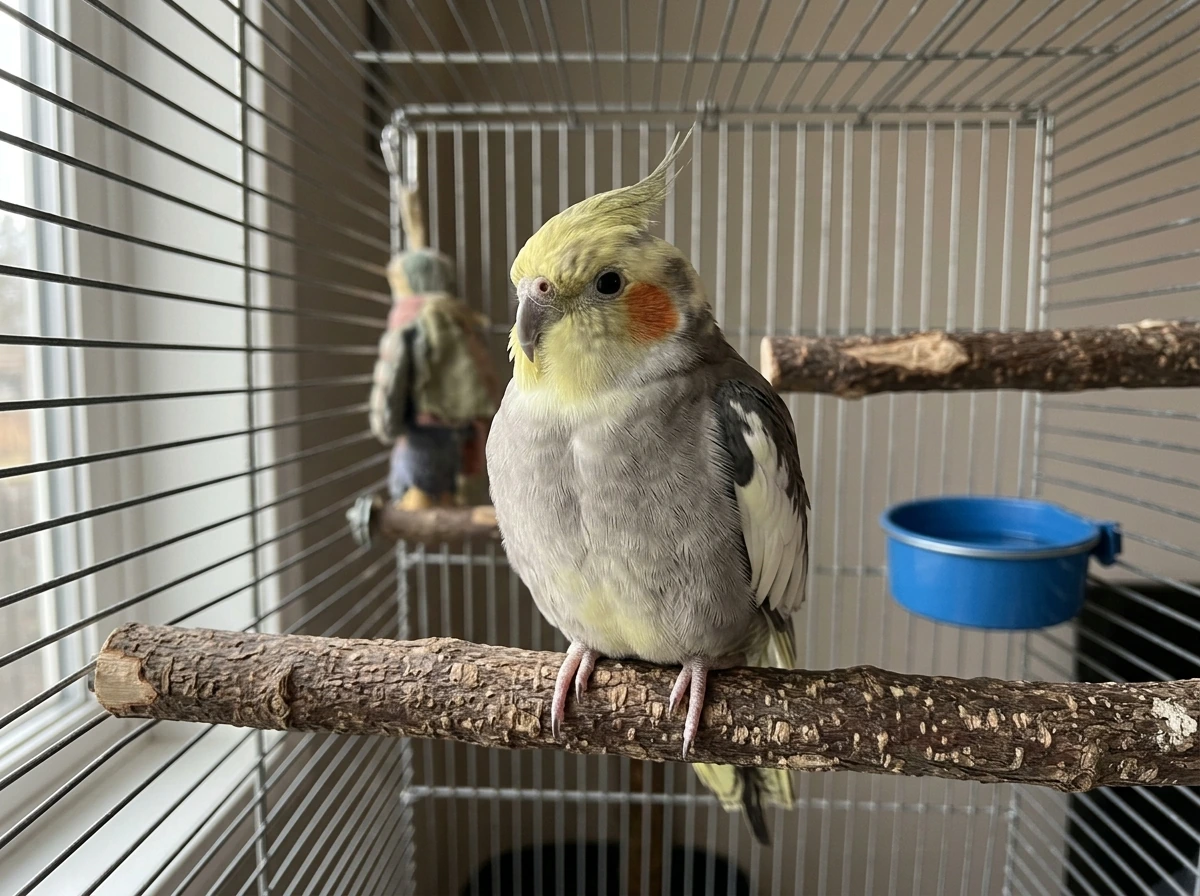
Why Is My Bird Puffed Up? Causes and What to Do
Understand why your bird puffs up, spot comfort vs fear or illness, and get step-by-step calming and vet red-flag tips.
Why Is My Bird Making a Clicking Noise? Causes and Next Steps
Learn why your bird clicks, how to spot normal vs respiratory red flags, and the immediate vet-ready next steps.