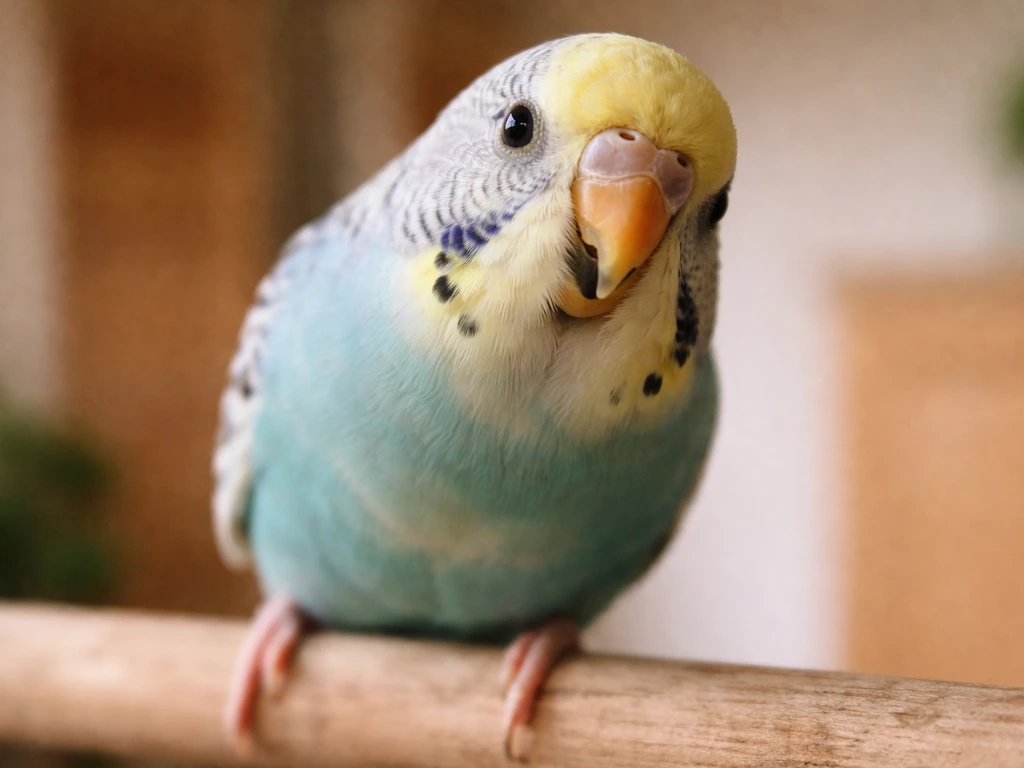
A puffed-up bird can mean a dozen different things, and most of them are completely fine. Your bird might be warm and relaxed, mildly excited to see you, or just shaking off a nap. But puffed feathers combined with the wrong other signs can also be your bird's way of telling you something is wrong. The key is knowing what else to look for alongside the puffing itself.
Why Is My Bird Puffed Up? Causes and What to Do

Marcus Chen
23 Mar 2026
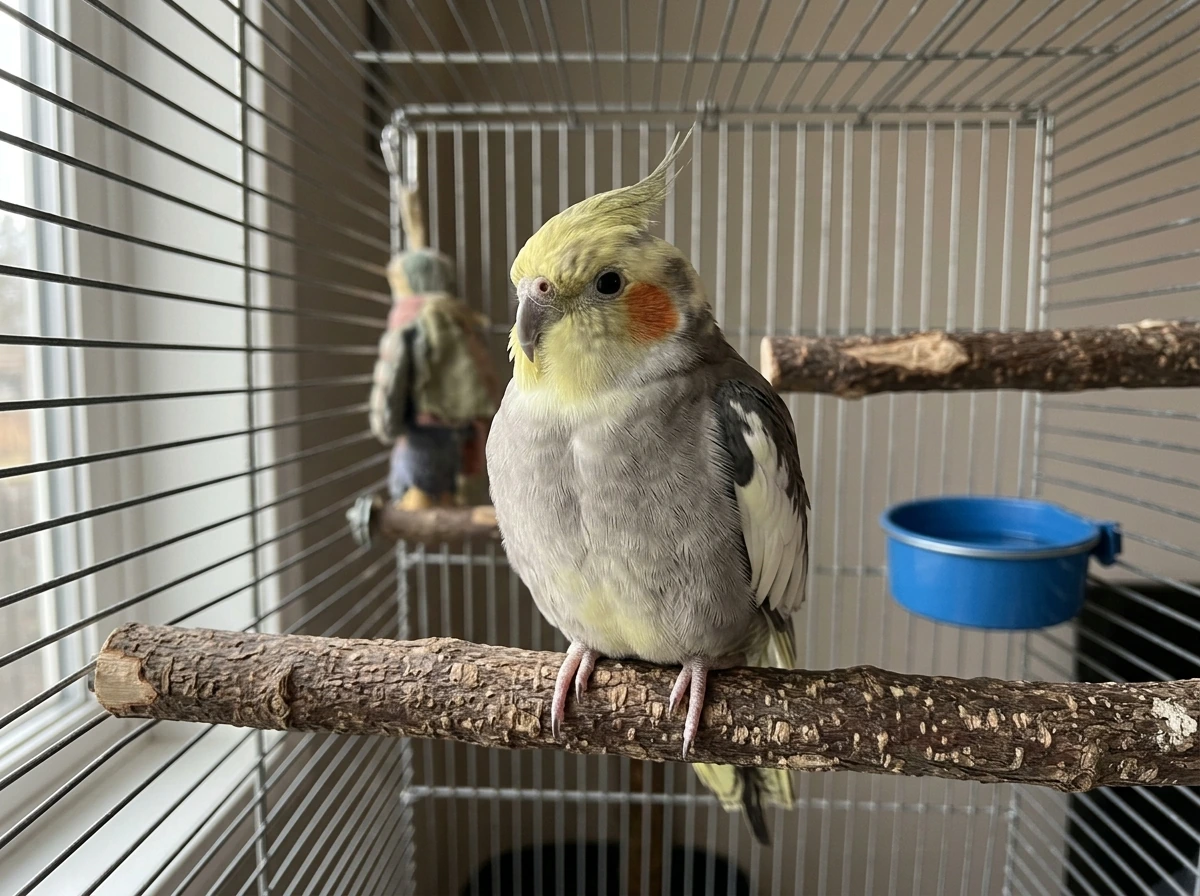
What 'puffed up' actually looks like
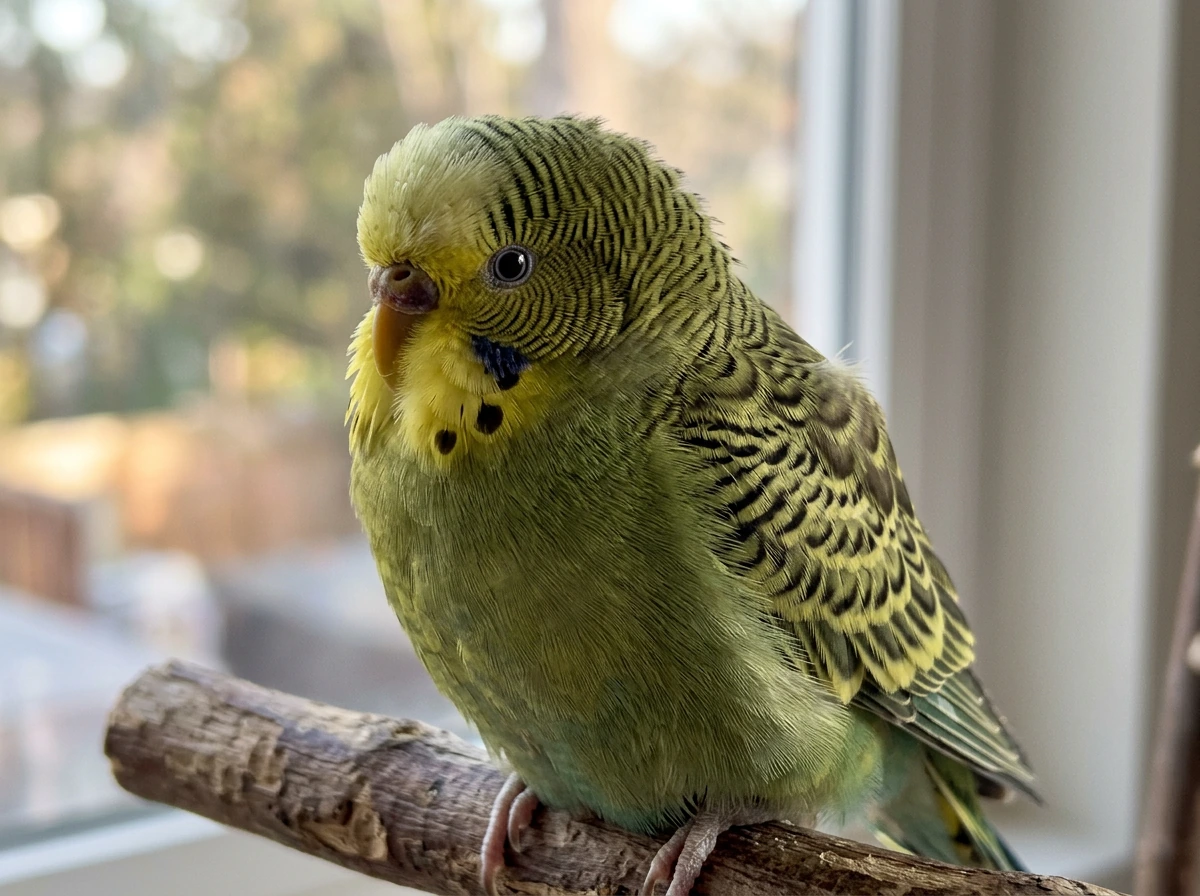
When a bird puffs up, it fluffs its feathers outward so it looks rounder and bigger than usual, almost like a little ball. You might notice the feathers around the head, neck, and body standing away from the skin instead of lying flat and sleek. Some birds puff just around their head and beak area, while others do a full-body fluff. It's the opposite of the slicked-back, tight-feathered look a bird gets when it's alert or startled.
Telling relaxed puffing from stressed puffing comes down to the rest of the body. A relaxed bird puffs up and stays calm. Its eyes may be half-closed or blinking slowly, its posture is loose and settled, and it may be sitting comfortably on one foot. A stressed or fearful bird tends to do the opposite: feathers actually slick down tight rather than puff out, the body leans away, and the eyes go wide. True defensive puffing (when a bird is trying to look bigger to warn you off) usually comes with other signals like lunging, hissing, or a stiff upright posture.
Why your bird puffs up when it sees you
This is one of the most common scenarios people ask about, and the good news is it's usually positive. When a bird sees someone it likes and does a quick puff, it's often a greeting behavior. Think of it as the bird equivalent of perking up when a friend walks in the room. Some birds accompany this with a little shake or ruffle of the feathers, which is a normal way of resetting their plumage.
That said, not every puff when you walk in is a happy one. If your bird puffs up and stays puffed while watching you from a distance, especially if it goes quiet or leans back on the perch, it may be uncertain about something. Maybe you're wearing something unfamiliar, moved too quickly, or the room is drafty near where they sit. Birds are sensitive to changes in their environment, and puffing up is a quick way they try to regulate their temperature or brace themselves.
The context before the puff matters a lot. A bird that was sleeping and puffs when you walk in is probably just waking up. A bird that was active and suddenly puffs when you enter deserves a second look at what else is going on in the room.
Puffing during or right after petting
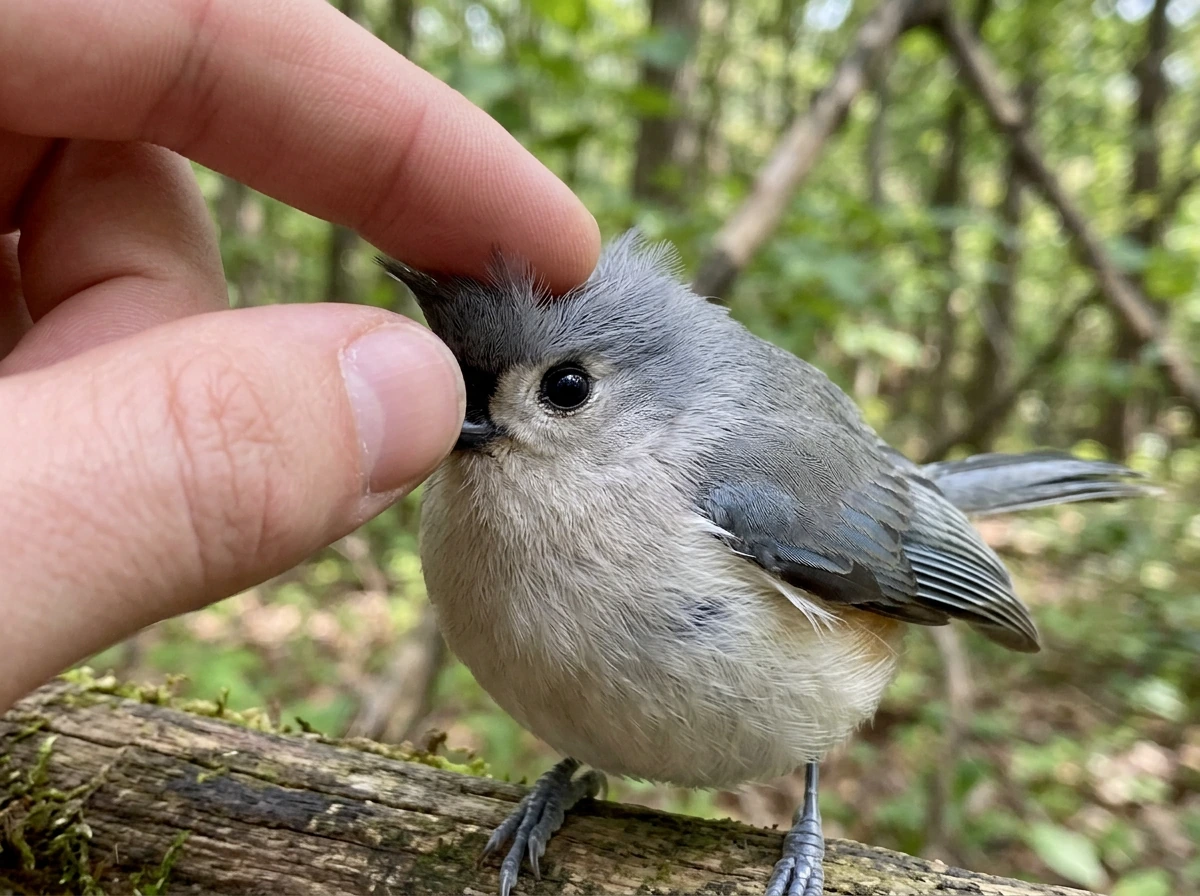
If your bird puffs up while you're petting it, that's almost always a good sign. It usually means your bird is relaxed and enjoying the contact. Birds often fluff up around the head and neck when they're being scratched in a spot they like, and some will even lean into your hand. This is comfortable, content puffing.
But puffing during petting can also signal overstimulation, and this one catches a lot of owners off guard. Birds have a limit to how much physical contact feels good, and when that limit is reached, some birds will puff up, go still, or start to look a bit glazed. If you keep petting past that point, the next step is often a nip or a bite. Watch for the moment the relaxed puff shifts into a tense, rigid posture. That's your bird asking for a break.
Puffing right after you stop petting is also common and generally harmless. It's similar to the full-body ruffle a bird does after a bath: just a reset. If your bird puffs, shakes, and then goes back to normal activity, you have nothing to worry about.
If you notice puffing specifically when you touch certain areas, it could mean that spot is sensitive or slightly sore. Puffing combined with pulling away, vocalizing, or flinching when touched in a specific place is worth paying attention to.
Normal puffing vs warning signs
The single biggest thing that separates normal puffing from a health concern is whether the puffing is persistent and paired with other changes. A bird that puffs briefly and then goes back to normal is almost always fine. A bird that stays puffed for hours, through different parts of the day, is telling you something different.
Here's how to read the key signals alongside the puffing:
| What to look at | Normal sign | Warning sign |
|---|---|---|
| Breathing | Quiet, steady, mouth closed | Open-mouth breathing, tail bobbing up and down with each breath, labored or audible breathing |
| Eyes | Bright, responsive, or softly half-closed (relaxed) | Dull, sunken, or partially closed for long periods while awake |
| Posture | Settled on perch, may be on one foot | Hunched low on the perch, struggling to grip, swaying |
| Responsiveness | Reacts normally to sounds and movement | Unresponsive, slow to react, doesn't track movement |
| Duration | Brief puffing that comes and goes | Stays puffed consistently for hours or all day |
| Appetite | Eating and drinking as usual | Ignoring food and water, or noticeably eating less |
| Droppings | Normal color and consistency for your bird | Watery, discolored, or dramatically reduced output |
Open-mouth breathing is especially important to know about. Combined with a puffed-up appearance, it can point to a respiratory problem and is considered a red flag that needs prompt attention. Combined with a puffed-up appearance, it can point to a respiratory problem and is considered a red flag that needs prompt attention. The MSPCA-Angell avian guidance specifically flags tail bobbing alongside a fluffed appearance as signs of respiratory distress. If you see that combination, don't wait.
Quick checks you can do right now
Before you decide whether to call a vet, run through these practical checks at home. They won't replace a proper exam, but they'll give you a much clearer picture of whether this is normal behavior or something that needs attention today.
- Check the temperature in the room. Birds puff up to trap warm air when they're cold. If the room is below 65°F (18°C) or there's a draft near the cage, that's likely your answer. Move the cage away from air vents, windows, or doors and see if the puffing settles.
- Time how long the puffing lasts. Set a timer if you need to. Healthy puffing comes and goes. If your bird has been puffed for more than a few hours without returning to normal behavior, that's worth noting.
- Look at the eyes closely. Bright and tracking movement is normal. Dull, partially closed, or sunken while the bird is awake is not.
- Watch the breathing for a full minute. Count the breaths if you can. Look at the tail: if it's pumping up and down rhythmically with each breath, that's labored breathing and a vet call is warranted.
- Check the food and water. Has your bird eaten today? Are the droppings at the bottom of the cage roughly normal? A sudden drop in droppings or appetite alongside puffing is a combination that needs professional attention.
- Observe the posture on the perch. A healthy bird sits upright and grips the perch firmly. A sick bird may sit low, look hunched, or have trouble gripping.
- Think back over the last 24 hours. Any new foods, a change in environment, a loud stressful event, or a new person in the home? Context often explains short-term behavioral changes.
If your bird passes all of these checks and goes back to normal activity within a reasonable amount of time, you're likely dealing with normal, situational puffing. If something in this list doesn't look right, move to the next step.
When to call an avian vet
Birds are prey animals, which means they are wired to hide illness for as long as possible. By the time a bird looks obviously unwell, it has often been dealing with a problem for a while. That's why it's better to call sooner than you think you need to rather than wait and see.
Contact an avian vet today (not next week) if you're seeing puffed feathers alongside any of the following:
- Open-mouth breathing or any audible effort to breathe
- Tail bobbing in rhythm with breathing
- Persistent puffing that has lasted most of the day and doesn't resolve
- Lethargy or unresponsiveness, the bird isn't reacting to things it normally would
- No interest in food or water for more than a day
- Significant changes in droppings (color, consistency, or volume)
- The bird is sitting on the bottom of the cage rather than on a perch
- Discharge from the eyes or nostrils
- Visible weight loss or a prominent keel bone (the ridge you feel in the center of the chest)
The Merck Veterinary Manual is clear that fluffed feathers combined with changes in appetite, thirst, or droppings are signs that warrant a vet visit, not a home observation period. VCA similarly lists labored or open-mouth breathing as a particularly important warning sign in birds. If your gut says something is off, trust it and make the call.
If you're not sure whether what you're seeing is puffing, shivering, or something in between, it's worth reading up on related behaviors like shaking and shivering, since those can sometimes overlap with puffing and each has its own set of causes and signals to watch for. why is my bird shaking. why is my bird vibrating
The bottom line: most puffing is your bird being comfortable, communicating with you, or adjusting to temperature. But puffing is also the body language birds use when they feel unwell, so the other signals you observe alongside it are what really tell the story. Use the checks above, trust what you see, and don't hesitate to reach out to an avian vet if something feels off. You know your bird, and that instinct is worth listening to.
FAQ
How long is too long for my bird to stay puffed up?
If the puffing lasts more than a couple of hours, happens repeatedly across the day, or you notice any change in breathing, droppings, appetite, or energy, treat it as a health concern rather than “just being fluffed.” Birds often hide illness, so a persistent change in the overall look (not just one moment) is a stronger trigger to contact an avian vet.
What other signs should I look for besides the puffing?
Don’t rely on puffy feathers alone. Watch the full “packet” of behavior: open-mouth breathing, tail bobbing, staying hunched or leaning away, reduced responsiveness, and abnormal droppings are more concerning than the puff itself. Also check whether the bird can balance normally and move around, or if it seems weak or uncoordinated.
Can my bird puff up because of temperature or drafts in the room?
Yes, drafts and temperature swings can cause bracing and puffing. Try moving your bird away from HVAC vents, windows with cold air leaks, and ceiling fans, then offer a consistent room temperature. If puffing improves after environmental adjustment and the bird returns to normal posture and activity, it was likely comfort or temperature related.
Is it normal if my bird puffs while sleeping or right after waking?
If the bird is puffing while sleeping, briefly waking, and then resettling with normal blinking and posture, it’s often harmless. However, if it stays puffed while awake, looks listless, breathes heavily, or shows abnormal droppings, sleeping context does not rule out illness.
How can I tell if my bird is being defensive versus overstimulated when it puffs?
Watch for the difference between defensive versus overstimulated puffing during handling. Defensive puffing is often paired with rigid, stiff posture and may include lunging, hissing, or backing away. Overstimulation puffing usually looks calmer at first but turns tense, and your bird may become glassy-eyed, go still, or bite when you continue.
What should I do immediately if I notice open-mouth breathing with puffing?
If open-mouth breathing appears, treat it as urgent, especially when paired with puffed feathers or tail bobbing. Minimize handling, keep the environment warm and calm, and contact an avian vet promptly the same day rather than waiting to see if it passes.
Should I stop petting if my bird starts puffing?
Puffing during petting can be normal comfort, but you should stop when the body language shifts from relaxed to tense. A practical rule: if the bird becomes rigid, flattens its body, turns away, looks glassy, or starts to pace or nip, end the session and let the bird reset.
What does it mean if my bird only puffs when I touch a certain area?
Yes. Birds may puff because a specific area is sore, irritated, or sensitive, especially if puffing happens every time you touch that spot. Combine that with pulling away, flinching, vocalizing, or guarding behavior, and it’s a good reason to have an avian vet assess before you continue touching.
How can I monitor puffing so I can explain it to the vet accurately?
Track patterns, not single snapshots. Note whether puffing happens at certain times (for example, after food, after bathing, during nighttime), how long it lasts, and whether appetite, thirst, droppings, and activity level change. If you can, take a quick video when it starts so the vet can see posture and breathing.
How do I tell puffing apart from shivering or vibrating?
If you’re unsure whether it’s puffing versus shivering, use behavior context: puffing is often a “rounding up” with feathers fluffed outward, while shivering can look like visible tremors or vibrating movements. Either way, persistent changes plus breathing or energy changes should push you toward calling an avian vet.
Next Article
Why Is My Bird Making a Clicking Noise? Causes and Next Steps
Learn why your bird clicks, how to spot normal vs respiratory red flags, and the immediate vet-ready next steps.