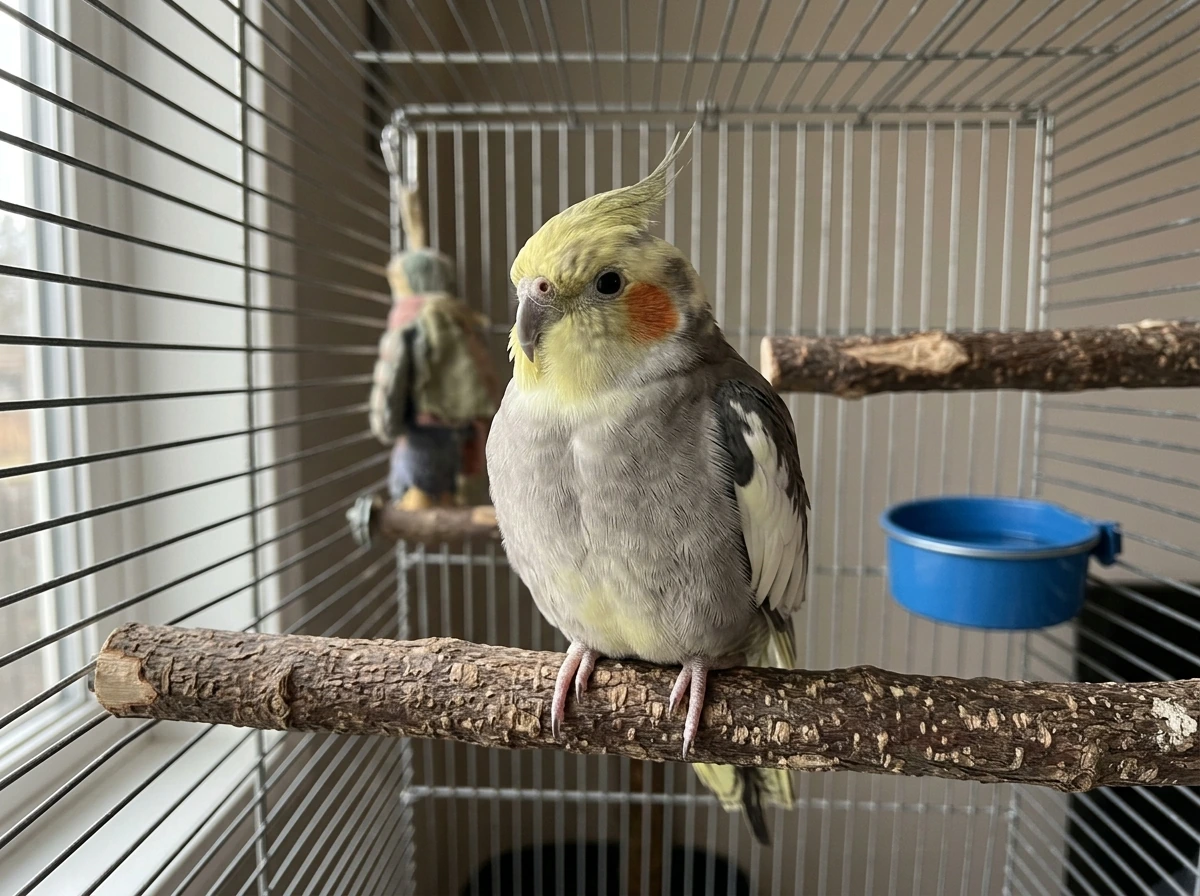
Bird shaking can mean a dozen different things, and most of them are not emergencies. But some of them are. The key is knowing which situation you are dealing with right now, because the right response varies a lot depending on what else you are seeing. This guide walks you through the most common reasons birds shake or tremble, what to look for alongside the shaking, and exactly when you need to pick up the phone and call an avian vet.
Why Is My Bird Shaking? Causes and What to Do Now

Marcus Chen
23 Mar 2026
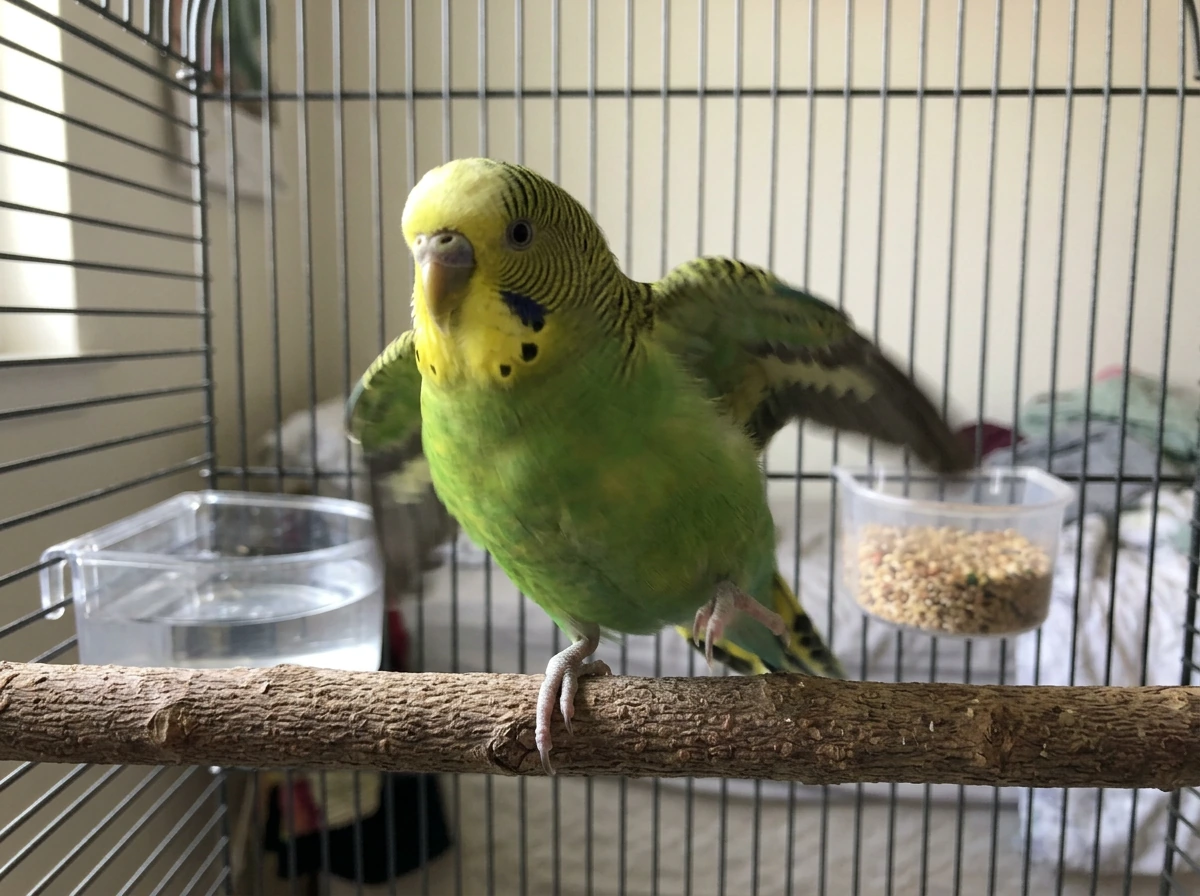
What shaking vs trembling can mean in pet birds
The words shaking, trembling, shivering, and twitching all get used interchangeably by bird owners, but they can describe pretty different things. Shaking tends to mean a full-body or large-body-part movement. Trembling is usually finer and more continuous. Twitching is brief and localized, often just a wing or a leg. Knowing which one you are actually seeing helps narrow things down.
In healthy birds, brief shaking is often completely normal. A bird shaking itself after a bath, ruffling its feathers to resettle them, or giving a full-body shake after a stretch is not a concern. These are routine maintenance behaviors. Problems start when the shaking is persistent, rhythmic in a way that looks uncontrolled, or accompanied by other symptoms like labored breathing, loss of balance, or extreme fluffing.
There is also meaningful overlap between shaking and what looks like shivering. Shivering is the body's attempt to generate heat through rapid muscle movement, so it is often a sign the bird is cold or has a dangerously low body temperature. A sick bird's core temperature often drops even in a warm room, which is why shivering can be a serious illness indicator and not just a comfort issue.
Shaking while sleeping: normal sleep behavior vs warning signs
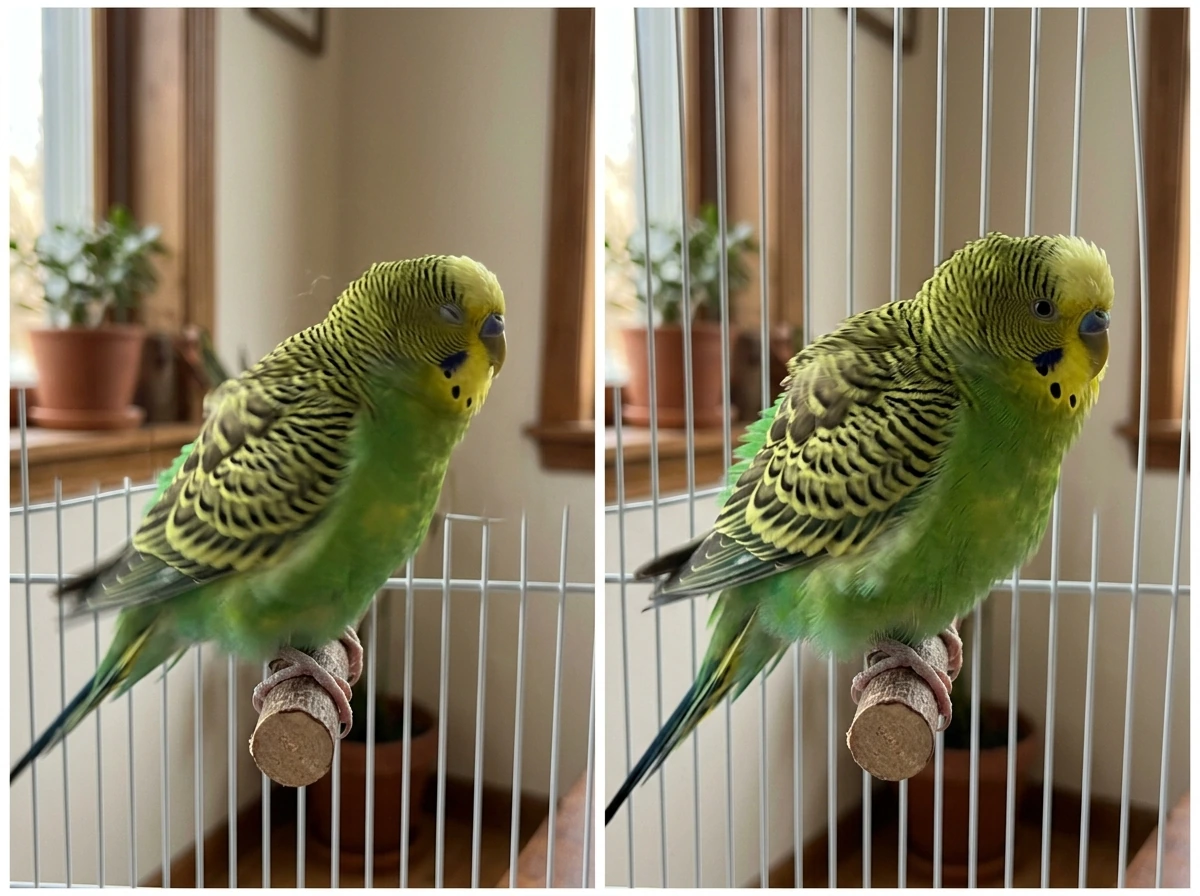
If you noticed your bird shaking or twitching while it was asleep, there is a good chance you just caught it in REM sleep. Research on budgerigar sleep shows that twitching during sleep is extremely common, with some birds recording between 44 and 643 twitching episodes in a single sleep period. These twitches often begin during REM epochs, the same active-sleep phase where dreaming occurs in mammals. So a bird that is flicking a wing, shifting a foot, or briefly trembling while perched with its eyes closed is very likely just sleeping normally.
The distinction to watch for is what happens when the bird wakes up. A bird that was twitching in sleep but wakes up alert, holds its perch steadily, and acts normally is almost certainly fine. A bird that seems disoriented, cannot regain its balance, stays fluffed after waking, or continues to shake once fully awake is a different story and needs closer attention.
Sleep disturbance is also worth considering. Birds that do not get enough uninterrupted darkness and quiet can become stressed and show unusual behaviors, including restlessness and shaking. Most pet birds need 10 to 12 hours of darkness each night. If your bird's sleep environment is noisy, brightly lit, or frequently interrupted, that alone can cause behavioral changes.
Common causes linked to shaking (temperature, stress, fear, discomfort)
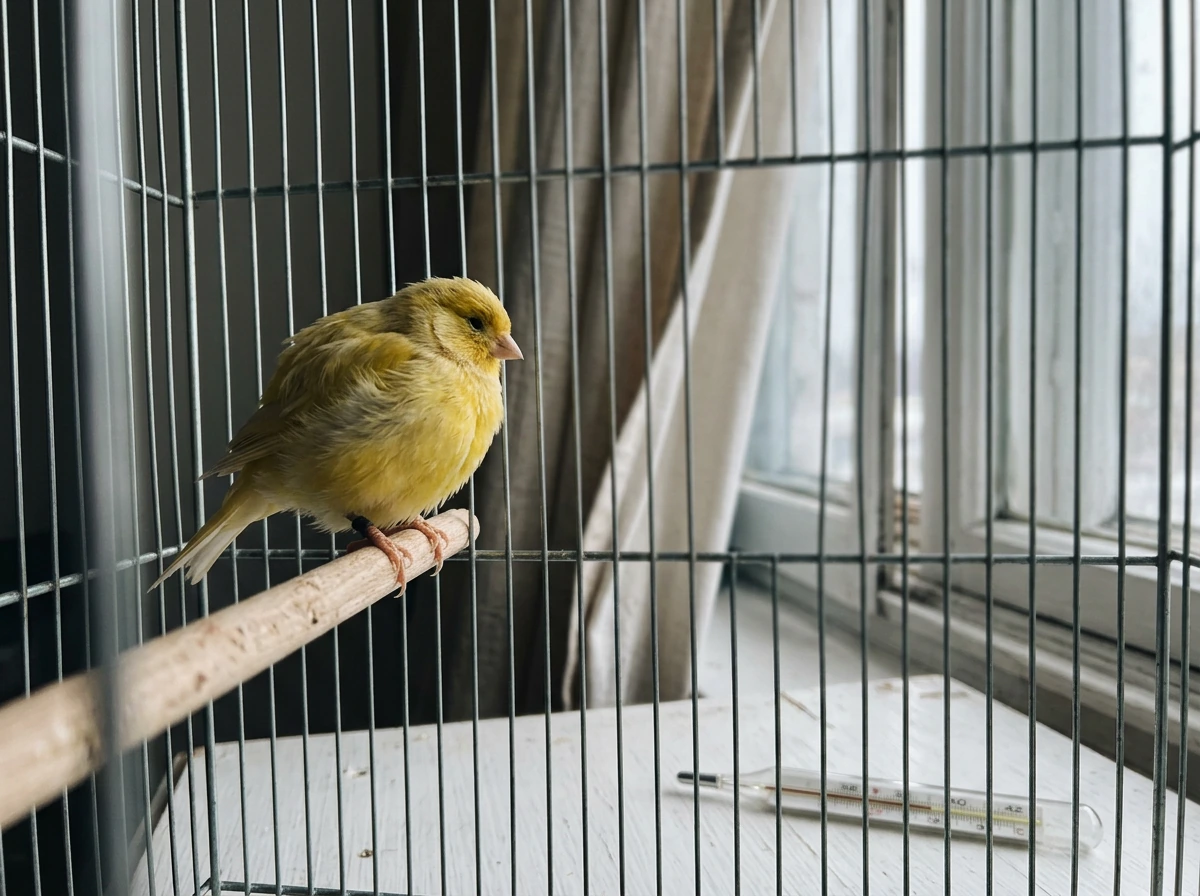
Cold is one of the most straightforward causes. A bird that is chilly will shiver, often with its <span>feathers puffed up</span> to trap air and insulate itself. Signs of hypothermia in birds include shivering, fluffed plumage, closed eyes, depression, slow reactions, and rapid shallow breathing. If your bird looks like a little puffball and is also trembling, temperature should be the first thing you check.
Fear and stress are also very common triggers. A bird that just had a scare, for example from a dog walking too close, a loud noise, or being handled in a way it found threatening, will often shake or tremble for a few minutes afterward. This is an adrenaline response and usually settles on its own once the stressor is removed and the bird feels safe again. Watch for it to calm down within 5 to 10 minutes.
Excitement is on the other end of the emotional spectrum but can also cause shaking, especially wing trembling. Some birds shake or quiver when they are very excited about food, when their favorite person walks in, or during certain social interactions. Context matters a lot here.
Pain or internal discomfort can cause shaking that is harder to pin down. A bird dealing with an internal issue, such as an egg-binding problem in female birds or an infection, may shake as part of a generalized response to feeling unwell. This kind of shaking tends to be persistent and accompanied by other signs like lethargy, loss of appetite, or unusual posture.
Toxin exposure is another possibility that owners sometimes overlook. Birds have extremely sensitive respiratory systems and can react to fumes from non-stick cookware (PTFE/Teflon), cleaning products, candles, air fresheners, and even paint. Trembling or shaking following exposure to any of these should be treated seriously.
Shaking with heavy breathing: how to assess urgency
If your bird is shaking AND breathing heavily or abnormally, stop reading general information and focus on this section. The combination of shaking with labored breathing is one of the clearest signals that something is wrong and may need urgent attention.
The main signs of respiratory distress to look for are open-mouth breathing, tail bobbing (the tail moving visibly up and down with each breath), increased effort in the chest and sternum, and what looks like wing pumping where the wings move slightly with each breath. Wheezing, clicking sounds, or neck stretching while breathing are also red flags. Breathing difficulty is considered an emergency in birds, full stop.
One thing to distinguish is gular fluttering, which is when a bird opens its mouth and rapidly vibrates the throat area. This is actually a cooling behavior, similar to panting, and birds use it to shed excess heat through evaporation. If your bird is in a hot environment and doing this, it is likely overheated rather than sick. Move it somewhere cooler and monitor closely. But if the temperature is normal and you are still seeing open-mouth breathing alongside shaking, that needs veterinary attention.
Toxin inhalation, infections, tumors compressing respiratory organs, and severe stress can all cause this combination of symptoms. The safest approach when you see shaking with heavy breathing is to move the bird to a warm, quiet, low-stress space and contact an avian vet immediately.
Shaking the wings: when it's behavior vs potential distress
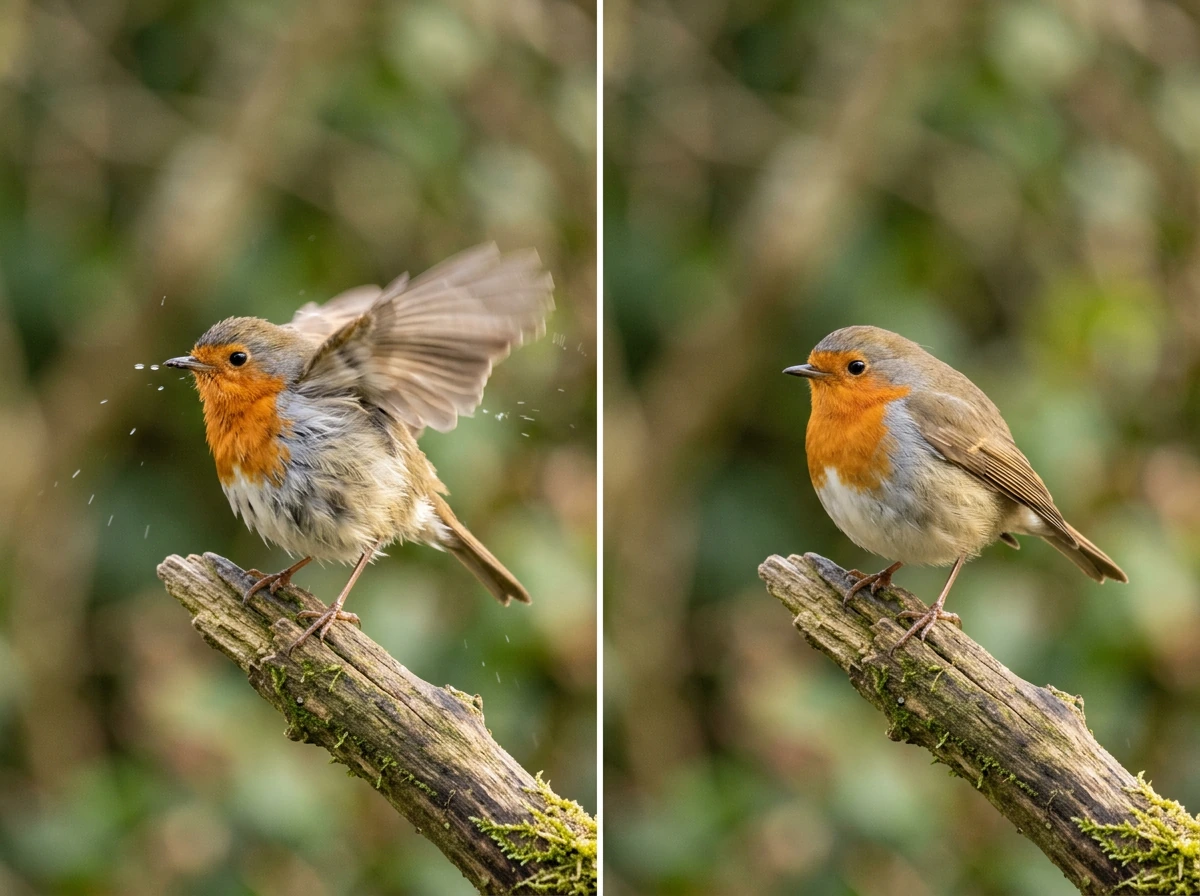
Wing shaking by itself is one of the most common and usually most benign forms of bird shaking. Birds shake or flap their wings for a wide range of completely normal reasons.
- Settling feathers after preening or bathing
- Stretching after waking up or sitting still for a while
- Expressing excitement or eagerness, particularly around food or a favored person
- Soliciting attention or food, often seen in younger birds or in species like cockatiels and African greys
- Releasing tension after a stressful moment
Wing shaking becomes a concern when it is constant, asymmetric (one wing drooping or moving differently than the other), or paired with an inability to hold the wings normally against the body. A bird with one wing held lower than the other, or dragging a wing, may have an injury or neurological issue. Seizure-like episodes where a bird flaps its wings uncontrollably while lying at the bottom of the cage are a clear emergency.
Causes of seizures in birds can include bacterial, viral, or fungal infections, tumors, heatstroke, trauma such as flying into a wall or window, and vascular events affecting the brain. If what you are seeing looks like a seizure rather than a voluntary behavior, that requires immediate veterinary assessment.
What to check right now: home triage steps and monitoring checklist
Before calling the vet or panicking, run through this quick assessment. It takes about two minutes and will help you describe what is happening accurately, which makes a real difference when you are talking to a vet.
- Check the temperature. Is your bird's environment too cold or too hot? The recommended stabilization temperature for a distressed bird is around 80 to 90 degrees Fahrenheit. If your home is cold or there is a draft near the cage, that is a likely culprit.
- Look at the breathing. Count breaths for 15 seconds and multiply by four to get breaths per minute. Watch for tail bobbing, open-mouth breathing, or any visible effort in the chest. If you see any of these, move to the emergency section below.
- Check the posture. Is your bird sitting upright and gripping the perch normally, or is it hunched, fluffed, sitting on the cage floor, or unable to maintain balance?
- Look at the eyes. Are they open, bright, and alert, or half-closed, sunken, or dull?
- Assess droppings. Any change in color, consistency, or amount can be an early illness indicator.
- Think about recent events. Did anything change in the last 24 hours? New food, cleaning products used nearby, a scare, a new animal in the house, a change in temperature?
- Check for physical signs of injury. Is there any visible swelling, bleeding, or a wing or leg held at an unusual angle?
- Time the shaking. Has it been going on continuously for more than 10 to 15 minutes with no clear trigger like a recent scare or bath?
If the shaking has a clear, benign explanation and everything else checks out fine, move the bird somewhere warm and quiet, remove any potential stressors, and monitor for the next 30 to 60 minutes. Most stress- or temperature-related shaking will resolve on its own once conditions improve. If it does not, or if anything in the checklist raised a flag, contact an avian vet.
When to call an avian vet (red flags and emergencies)
Some situations do not need a wait-and-see approach. Call an avian vet right away if you see any of the following.
- Open-mouth breathing, tail bobbing with each breath, or any visible breathing difficulty
- Shaking or trembling that has continued for more than 15 to 20 minutes without a clear benign cause
- Seizure-like behavior: flapping wings uncontrollably, falling off the perch, lying at the bottom of the cage
- Collapse, unconsciousness, or extreme weakness where the bird cannot hold itself upright
- Shaking combined with fluffed feathers, closed eyes, and extreme lethargy (classic sick bird posture)
- Any suspected toxin exposure, including fumes from cookware, cleaning products, or aerosols
- Shaking in a bird that has not eaten or drunk anything in more than 24 hours
- One wing or leg held abnormally, suggesting injury or neurological involvement
- Shaking that started suddenly after a collision with a window or wall
Breathing difficulty especially deserves to be repeated: it is always an emergency in birds. Birds hide illness well, so by the time they look visibly distressed, things have often progressed further than they appear. Do not wait to see if it improves on its own.
While you are waiting to reach the vet or preparing to go in, keep the bird warm, dark, and quiet. A warm room or a box lined with a soft cloth and placed near a gentle heat source can help stabilize a distressed bird. Minimize handling, avoid stressful interactions, and keep the environment as calm as possible. These steps mirror the initial stabilization approach used in avian emergency care.
Reducing the chances of it happening again
Once you have ruled out or addressed the immediate cause, it is worth thinking about what you can do to make your bird's environment more stable. A lot of unexplained shaking and stress responses come down to environmental inconsistency.
- Keep the cage away from drafts, air conditioning vents, and direct sunlight, all of which cause temperature swings
- Make sure your bird gets 10 to 12 hours of uninterrupted darkness each night for proper sleep
- Avoid using non-stick cookware, aerosol sprays, scented candles, or strong cleaning products in rooms your bird spends time in
- Introduce new animals, people, or objects gradually to avoid sudden stress responses
- Maintain a predictable daily routine, birds are creatures of habit and consistency reduces anxiety
- Schedule annual wellness checks with an avian vet so baseline health is established before problems arise
Shaking in birds that have a stable, well-managed environment with appropriate temperature, sleep, and low toxin exposure is much less frequent. Most of the time when owners come to me worried about shaking, the answer turns out to be one of these controllable factors. Get the environment right, know what normal looks like for your specific bird, and you will be in a much better position to spot when something is actually off.
If you are noticing related behaviors alongside the shaking, like your bird looking puffed up, shivering specifically, or making unusual vibrating movements, those topics are worth exploring separately as they each have their own set of causes and considerations. The more you understand about your bird's full range of normal and abnormal behaviors, the faster you can respond when something genuinely needs attention.
FAQ
How can I tell if my bird is shaking from being cold versus something more serious?
Check the full picture, not just the tremble. Cold-related shaking is usually paired with puffed feathers, slowed movement, and closed or heavy eyes, while breathing stays steady. If the shaking continues after you move the bird to a reliably warm area, or if breathing becomes open-mouth, tail-bobbing, or obviously labored, treat it as urgent and contact an avian vet.
Is it normal for my bird to shake while perched but still look alert?
Brief, periodic shaking while the bird otherwise looks coordinated, keeps its balance, and resumes normal posture when it settles often fits routine behavior (like resettling feathers, stretching, or post-bath shaking). The key is whether the shaking stops when the context changes and whether the bird maintains steady footing. Persistent, rhythmic shaking that does not ease is a different situation.
What should I do immediately if my bird is shaking but also breathing hard?
Act right away. Move the bird to a warm, quiet, low-stimulation space and minimize handling. Do not try to “exercise” the bird or give home remedies. Call an avian vet immediately, and if you cannot reach one quickly, consider an emergency avian-capable facility. Heavy breathing together with shaking is always a high-priority sign.
Could shaking be related to seizures, and what details matter most when I describe it?
Seizure-like episodes are more concerning when they look involuntary and include uncontrolled flapping or the bird ends up at the bottom of the cage, unable to regain normal posture. When you call, note how long it lasts, whether the eyes are open or closed, whether there is loss of balance afterward, and whether it stops when the environment is dim and quiet.
If my bird shakes only in one wing, does that always mean injury?
One-sided or asymmetric wing shaking can be an injury, a neurological problem, or pain, but it also can be weakness from fatigue or arthritis in some species. The difference is whether the bird can hold both wings in a normal position when at rest and whether there is dragging, drooping, or refusal to perch on the affected side. Any continued asymmetry warrants an avian exam.
How long should I monitor at home before calling the vet?
Use a short, structured window. If there is no breathing trouble and you can correct the likely trigger (warmth, quiet, no fumes), monitor for about 30 to 60 minutes. If the shaking does not clearly improve, returns repeatedly, or comes with lethargy, loss of appetite, imbalance, or ongoing abnormal breathing, contact an avian vet sooner rather than later.
What environmental changes cause shaking that owners often miss?
Two common ones are inadequate uninterrupted darkness and airborne irritants. Many birds need 10 to 12 hours of dark sleep, and frequent light or noise interruptions can increase stress behaviors. Also, fumes can be subtle, for example scented cleaners, candles, air fresheners, overheated heaters, or aerosol products, so eliminate these immediately if shaking started after a change.
Can my bird be overheated and shake? How is that different from illness?
Yes. Wing quivering and other cooling behaviors like gular fluttering can happen with overheating. If your bird is in a hot environment, cooling through panting-like throat movement and shaking that improves when you lower the temperature points to heat rather than respiratory disease. If temperatures are normal and breathing is open-mouth or labored, treat it as illness and seek veterinary care.
What toxin exposure signs should make me call right away?
Call promptly if shaking starts after any possible exposure to fumes or aerosols, especially non-stick cookware fumes, cleaning product aerosols, candles, paint, or strong fragrances. Birds can react quickly, and respiratory irritation may develop even if the bird initially looks “only shaky.” If breathing looks abnormal at any point, prioritize emergency care.
If my bird shakes during sleep and then wakes up normal, do I still need to worry?
Usually not. Sleep-associated twitches are common when the bird wakes up alert, keeps its balance, and returns to typical behavior. Monitor for changes after waking, and if the bird stays fluffed, disoriented, unable to perch normally, or continues shaking while fully awake, contact an avian vet.
What records should I gather before calling the avian vet?
Write down when it started, whether it is continuous or comes in bursts, and what the bird was doing right before (bath, stretching, noise, handling, eating, or exposure). Note the shaking type (full-body shaking versus fine tremble versus brief wing or leg twitch), any changes in breathing, posture, appetite, and droppings if you can observe them. These details help the vet distinguish stress, temperature issues, and neurological or respiratory problems.
Next Article
Why Is My Bird Puffed Up? Causes and What to Do
Understand why your bird puffs up, spot comfort vs fear or illness, and get step-by-step calming and vet red-flag tips.