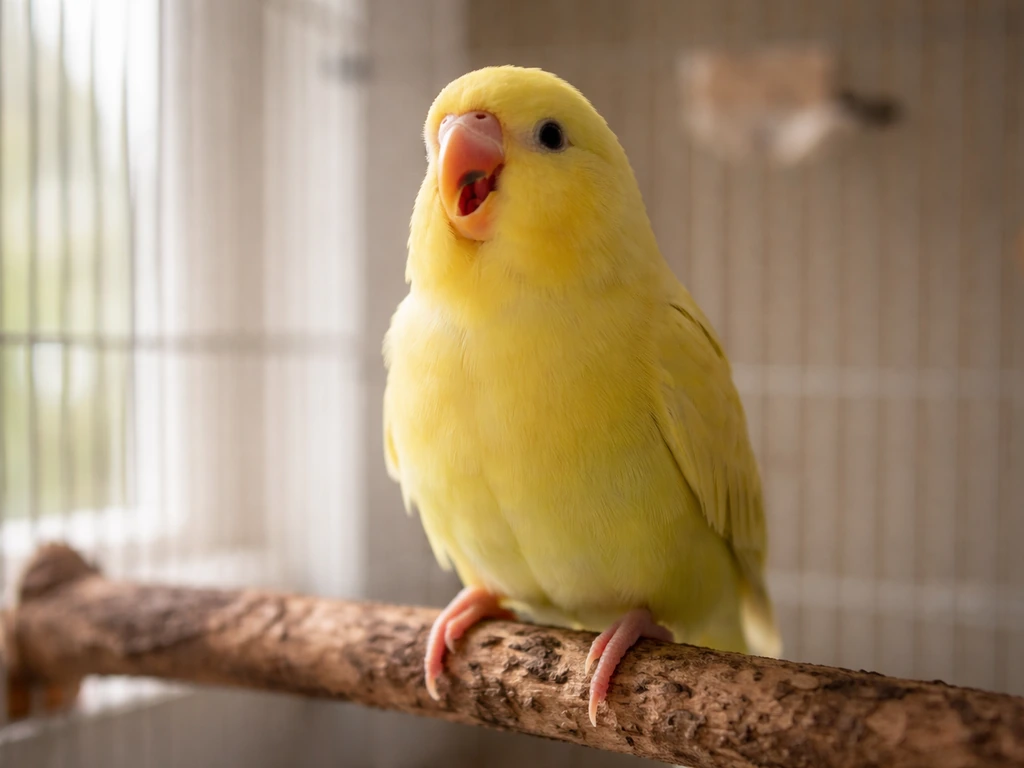
Your bird is screaming nonstop and you have no idea why. Here is the honest answer: there is almost always a reason, even when it looks like there isn't one. Birds do not scream randomly. The cause is either behavioral (attention, boredom, fear, hormones) or medical (pain, respiratory distress, toxin exposure, injury). Your job right now is to figure out which category you are dealing with, and this guide walks you through exactly that. If you are wondering why your bird is squawking so much, start by separating normal flock-calling from any sudden or medical red flags why is my bird squawking so much. Your job right now is to figure out which category you are dealing with, and this guide walks you through exactly that why is my bird crying.
Why Is My Bird Screaming for No Reason? Causes and What to Do

Normal vs. abnormal screaming in pet birds
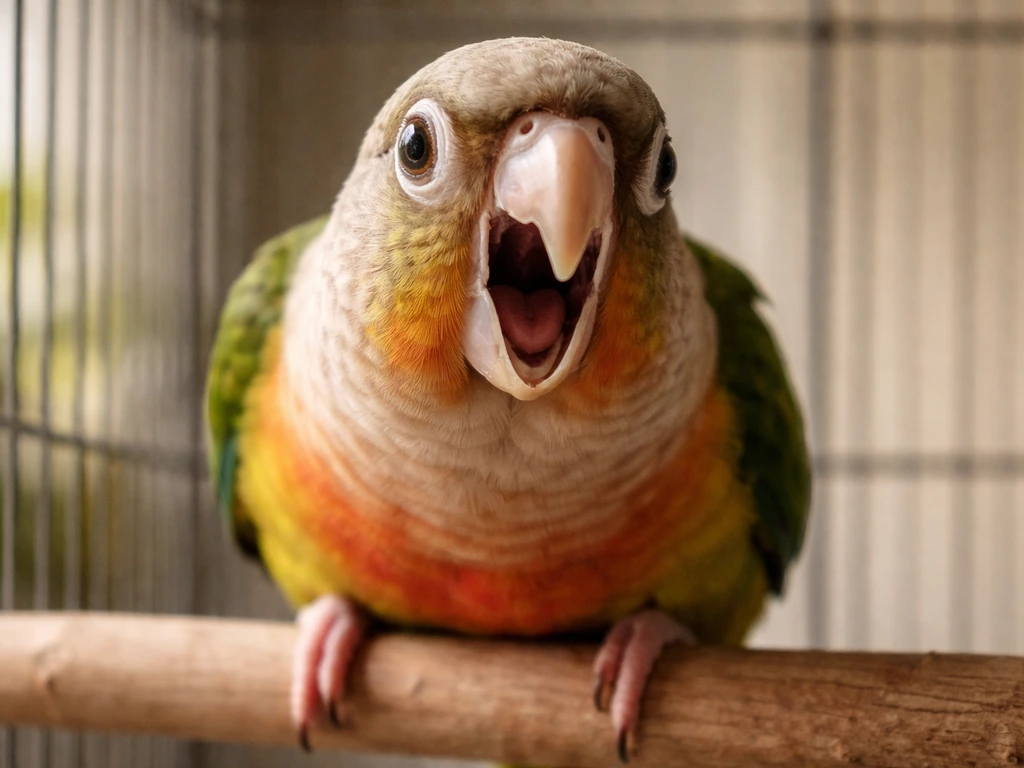
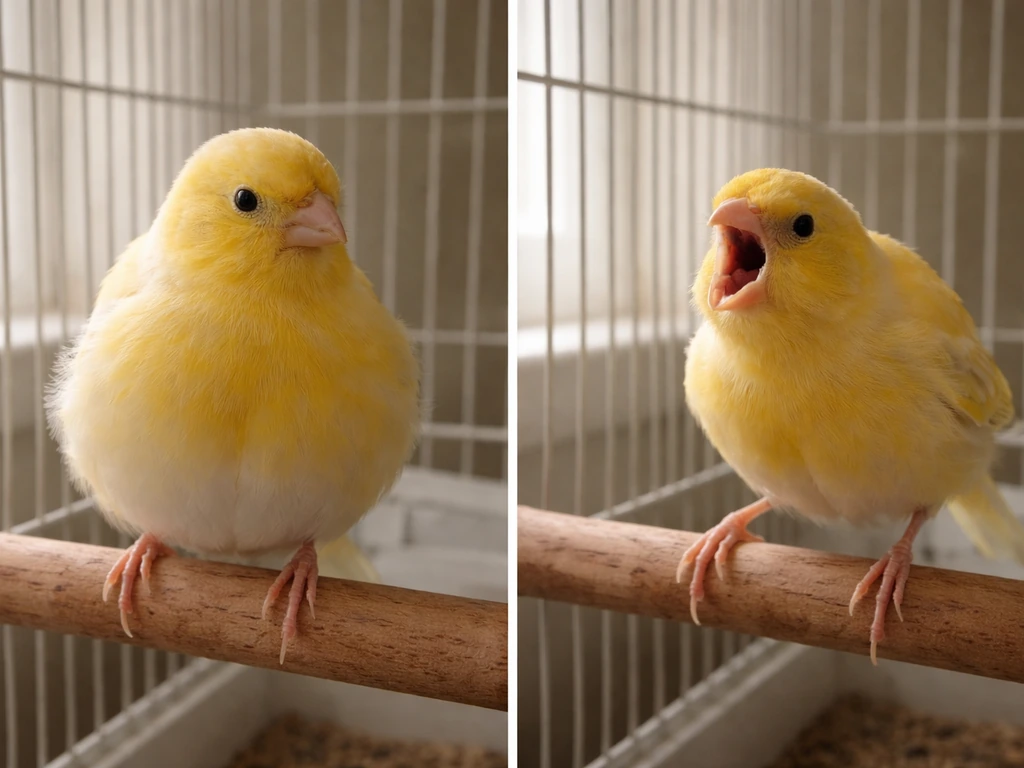
Some screaming is completely normal. Many parrot species have a built-in "flock call" they use at dawn and dusk to check in with their group. For a pet bird, you are the flock, and this contact calling is just your bird making sure you are still around. It tends to be short, predictable, and tied to a specific time of day. If your bird screams for a few minutes in the morning and again around sunset, that is usually just normal communication, not a crisis.
Abnormal screaming is different in character: it is louder than usual, longer-lasting, more frantic, starts suddenly without an obvious trigger, or comes with other changes you do not normally see. If the screaming seems new or escalates quickly in the mornings, compare these signs with what you would look for in abnormal screaming, since that can point to a medical issue. A sudden shift in how your bird vocalizes, especially when paired with changes in droppings, appetite, energy, or posture, is a medical red flag until proven otherwise. The tricky part is that birds are very good at hiding illness, which means by the time you notice something is clearly wrong, the problem may have been building for a while.
A quick rule of thumb: if the screaming is new, intense, and does not follow your bird's usual patterns, treat it as a potential health issue until you have ruled that out. If it matches a known behavioral trigger (your bird screams when you leave the room, for example), it is more likely behavioral. Both still deserve attention, but the response is different.
The most common behavioral reasons birds scream
Attention and reinforced screaming
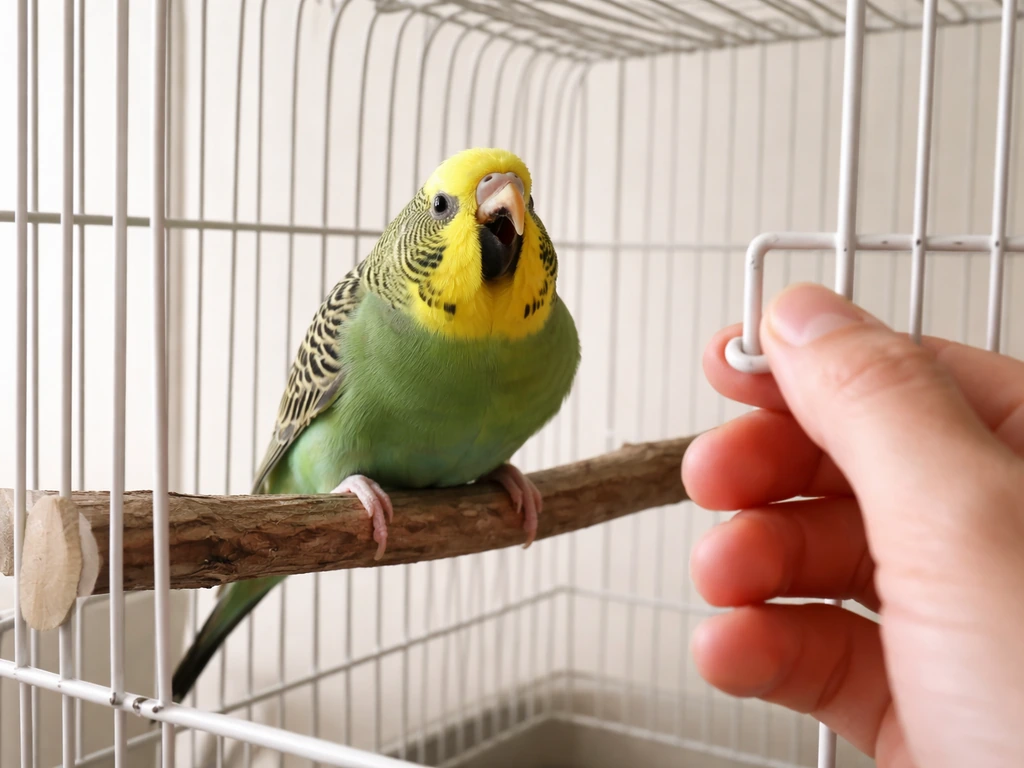
This is probably the most common cause. Your bird screamed, you came over to check on it, and now it has learned that screaming gets a response. Even negative attention, like rushing over to tell your bird to stop, counts as a reward. Over time this becomes a habit. If your bird screams specifically when you walk away, stops when you return, and is otherwise acting completely normal, attention-seeking is the likely explanation. This is closely related to the separation-triggered screaming that some birds show when a person leaves the room.
Boredom and under-stimulation
Birds are intelligent animals that need mental and physical activity. A bird left alone in a cage with nothing to do will often vocalize loudly out of frustration. Parrots especially need foraging opportunities, varied toys, and regular interaction. If your bird's environment has not changed much lately but the screaming has increased, under-stimulation is worth considering.
Fear and stress
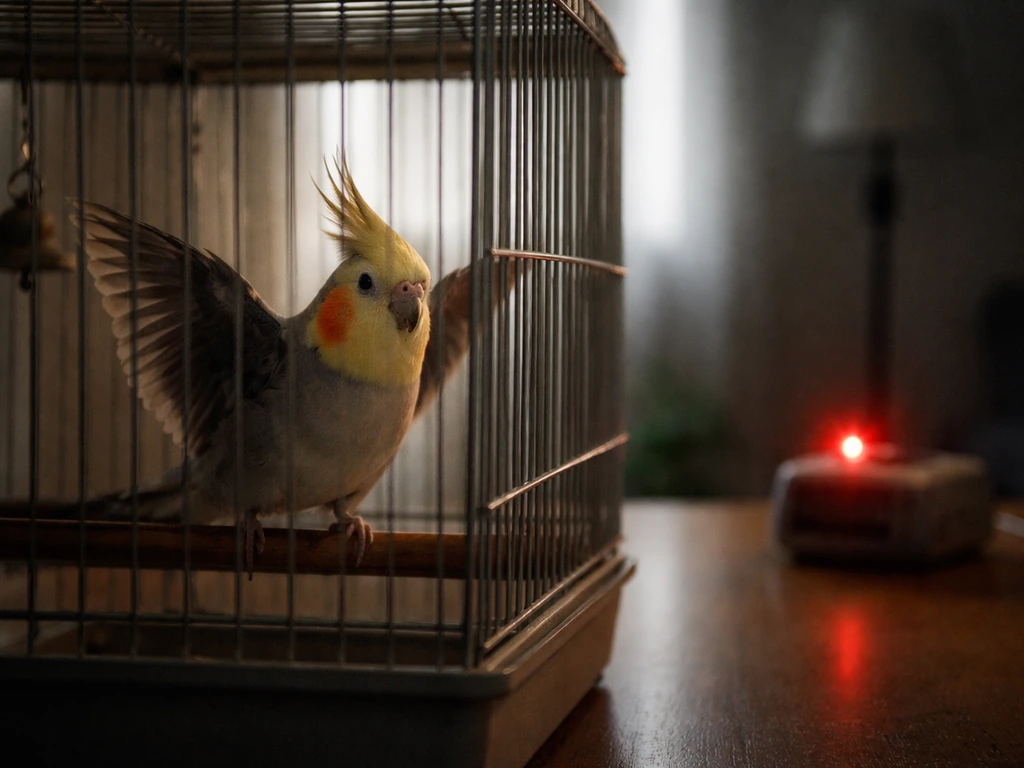
A new pet, a rearranged room, a stranger in the house, a loud noise outside, or even something unfamiliar near the cage can trigger fear-based screaming. Birds are prey animals and their stress response is fast and loud. Look for other stress signals alongside the screaming: feather fluffing, wide eyes, biting more than usual, or trying to press into a corner of the cage.
Hormonal behavior
Hormonal surges in spring and sometimes fall can make an otherwise calm bird suddenly loud, aggressive, and difficult to manage. This is especially common in species like cockatiels, conures, and African greys. During breeding season, birds may scream more, become territorial around their cage, regurgitate food for their favorite human, or seek out dark enclosed spaces. A light cycle that is longer than 12 hours can actually make hormonal behavior worse by mimicking the longer days of breeding season.
Health red flags that can cause screaming
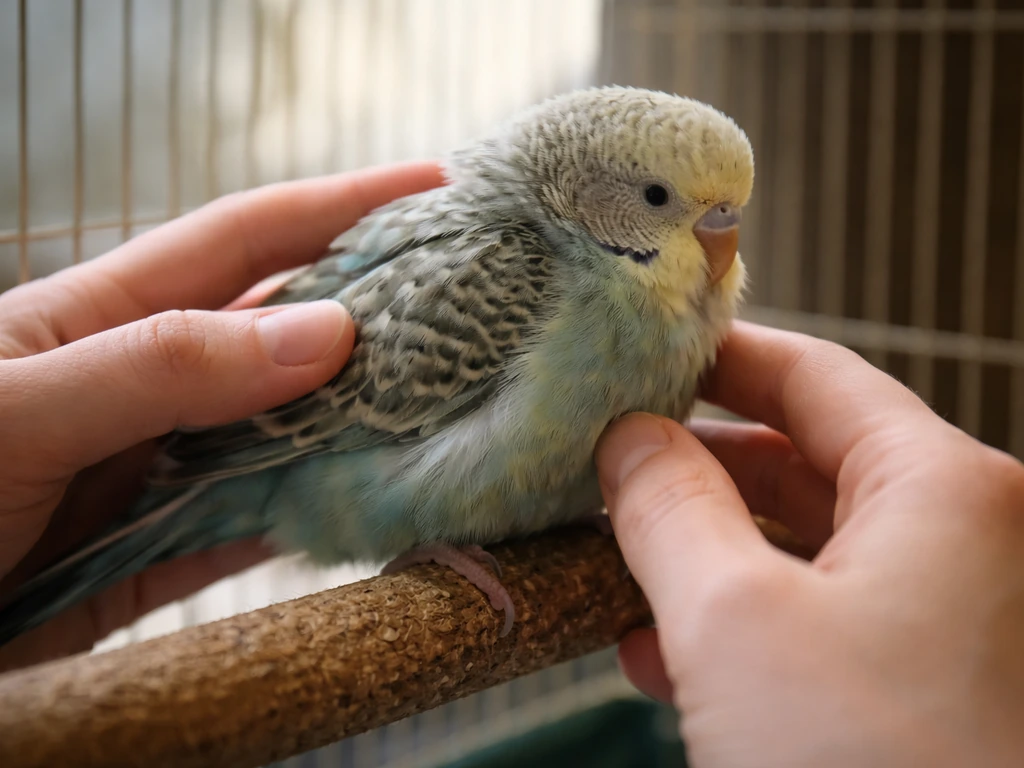
Pain and physical discomfort are real causes of screaming that get overlooked when owners assume it is behavioral. A bird with an injury, an internal infection, a gastrointestinal problem, or respiratory distress may scream because it is hurting or struggling to breathe. The challenge here is that birds instinctively mask illness, so you may not see obvious signs right away.
Watch for these physical signs alongside screaming, because they indicate something medical is happening:
- Open-mouth breathing, even when the bird is at rest
- Tail bobbing with each breath (this is a sign the bird is working hard to breathe)
- Wheezing, clicking, or rattling sounds when breathing
- Discharge from the nostrils or eyes
- Fluffed feathers and a hunched posture
- Changes in droppings: watery, discolored, or very reduced in amount
- Reduced appetite or not eating at all
- Lethargy, sleeping more than normal, or sitting low on the perch
- Visible injury, bleeding, or swelling
- Loss of balance or inability to perch normally
Respiratory issues in particular can show up as sudden distress vocalizations. A bird struggling to breathe may vocalize in a way that sounds like screaming or extreme distress, and the signs to look for are open-mouth breathing, an exaggerated rise and fall of the chest (increased sternal motion), and tail bobbing with every breath. If you see any of these, this is not a behavioral problem and it needs urgent veterinary attention.
GI problems, infections, and internal pain are harder to spot. The key clues are drooping changes, a change in appetite or thirst, and a bird that seems off even when it is not actively screaming. Any sudden change in vocalization combined with these signs is worth a call to an avian vet.
Environmental causes you may be overlooking
Fumes and airborne toxins
This is one of the most urgent environmental causes and one that owners often miss. Birds have extremely sensitive respiratory tracts. Common household products that seem harmless to humans can cause acute respiratory distress in birds. The list includes overheated nonstick (PTFE/Teflon) cookware, bleach, ammonia, air fresheners, scented candles, incense, hair sprays, perfumes, cleaning product sprays, paint and varnish fumes, fireplace smoke, and carbon monoxide. If you recently used any of these near your bird and it started screaming suddenly, move the bird immediately to fresh air and call an avian vet. Do not wait.
Temperature and drafts
A bird that is too cold, too hot, or sitting in a draft will get stressed quickly. Check the cage placement: is it near an air conditioning vent, a window with cold drafts, or a spot that gets direct afternoon sun for hours? Sudden temperature drops at night are a common but overlooked stressor. Most pet birds do best between 65 and 85 degrees Fahrenheit, and rapid changes in either direction can cause distress.
Light cycle problems
Birds need 10 to 12 hours of uninterrupted, dark, quiet sleep every night. If nighttime is when the panic or screaming ramps up, the light cycle and sleep setup are often the first things to check when you wonder why does my bird freak out at night. If your bird is getting less than this because the lights stay on late, the TV runs in the room, or it is exposed to irregular light schedules, it will become sleep-deprived and stressed. Poor sleep alone can trigger screaming and other behavior problems. If you are not already using a cage cover and a consistent sleep schedule, this is one of the easiest fixes to try. Keeping daylight exposure under 12 hours is also important for managing hormonal behavior, especially in spring.
Noise and household disruptions
Loud TVs, construction noise, other pets, or even a new appliance can unsettle a bird. Some birds are triggered by specific sounds they cannot see the source of, like a dog barking outside or a smoke alarm beeping in another room. If the screaming started around the same time as a change in household noise, that is worth investigating.
How to troubleshoot this today, step by step
- Check for immediate danger first. Look at your bird right now. Is it breathing with its mouth open? Is its tail bobbing with each breath? Is there blood, discharge, or visible injury? If yes to any of these, skip the rest of the list and call an avian vet immediately.
- Sniff the air around the cage. Have you cooked anything on nonstick cookware recently? Used a cleaning product, air freshener, or spray near the bird? If there is any chance of fume exposure, open windows, move the bird to fresh air, and call a vet.
- Note when the screaming happens. Is it only in the morning or evening? Only when you leave? All day long? Screaming tied to specific times is more likely behavioral. Screaming that is constant and frantic with no obvious pattern is more worrying.
- Look at the cage environment. Check the temperature around the cage. Is there a draft? Direct sun exposure? Is the cage near a vent or window? Has anything in the room changed recently?
- Check the light and sleep schedule. Is your bird getting 10 to 12 hours of dark, quiet sleep? If not, start a consistent schedule tonight with a cage cover.
- Assess your bird's overall wellness. Look at the droppings (should be formed, with white urates and some liquid). Is your bird eating normally? Is it sitting normally on its perch, or sitting low and fluffed? Any changes here alongside screaming raise the medical likelihood.
- Think about what changed recently. New pet, new person, moved furniture, changed food, started a new cleaning product, switched the cage location, breeding season approaching? Changes in routine are common screaming triggers.
- Do not reward the screaming. If you have already ruled out medical and environmental causes, avoid rushing over every time your bird screams. Stay calm, do not yell back, and do not make a big reaction, since that can reinforce the behavior or be read as you joining in on the "flock call."
Normal vs. concerning: a quick comparison
| Feature | Likely Behavioral | Possible Medical |
|---|---|---|
| Onset | Gradual or tied to a specific change in routine | Sudden, with no obvious trigger |
| Pattern | Predictable times (morning, when you leave) | Random, continuous, or frantic |
| Response to attention | Stops or reduces when you engage | Continues regardless of interaction |
| Physical signs | None: bird looks normal | Fluffed feathers, tail bobbing, open-mouth breathing, lethargy |
| Droppings | Normal | Changed in color, consistency, or amount |
| Appetite | Normal | Reduced or absent |
| Duration | Shorter bursts, calms down | Prolonged without relief |
When to call an avian vet urgently
Some situations do not need troubleshooting. They need a vet call today, or right now. Here is the threshold: if your bird's screaming is paired with any of the following, contact an avian vet immediately and do not wait to see if it improves on its own.
- Open-mouth breathing or gasping at rest
- Visible tail bobbing with every breath
- Wheezing, clicking, or rattling sounds during breathing
- Discharge from the nostrils or eyes
- Blue or pale tissue color around the beak or skin
- Collapse, seizure, or inability to stand or hold onto a perch
- Uncontrolled bleeding or visible wound
- Suspected fume or toxin exposure (nonstick cookware, cleaning products, sprays)
- Sudden and complete loss of appetite combined with screaming
- Significant change in droppings (blood in feces, completely watery, drastically reduced)
- Extreme lethargy, will not move, or is unresponsive to normal stimuli
Even if you are not sure whether it is serious, a sudden change in vocalization combined with any physical symptom is worth a same-day call. Remember that birds mask illness, so by the time symptoms are visible, they often need help sooner rather than later. Calling an avian vet to describe what you are seeing costs nothing and could make a real difference.
If you have ruled out all medical and environmental causes and the screaming is clearly behavioral, that is a separate conversation about training, enrichment, and routine adjustments. If you are also dealing with nonstop chirping, you can follow the same health-first approach to figure out why your bird chirps so much and when to get veterinary help why is my bird chirping so much. But always start with health first, because behavioral screaming is manageable on your schedule, while a medical emergency is not.
FAQ
How can I tell if this is just normal flock calling versus the kind of screaming that needs urgent checking?
Use the “new, intense, not patterned” filter. If the screaming started suddenly, lasts longer than your bird’s usual call, and does not happen at the same times or in the same situations as before, treat it like a medical or environmental issue first, even if you can’t spot a clear trigger.
What should I check in the first 10 minutes when my bird starts screaming for no reason?
Do a 10 minute baseline check before you interact. Record posture, breathing (tail bobbing, open-mouth breathing), droppings, appetite, and activity, then remove all possible irritants (sprays, candles, cooking fumes) and move the bird to fresh air if anything is suspicious.
What physical signs are easy to overlook when a bird is hiding illness but still screaming?
The most common miss is masking, where the bird stays mobile but is still unwell. Also watch for subtle changes like more silent sitting time between calls, fluffed feathers that do not relax after you offer comfort, or hiding in corners even briefly.
If I think my bird is screaming for attention, how can I test that without accidentally training it to scream more?
Yes. Attention reinforcement is strongest when the bird screams and you quickly respond (talking, rushing over, changing what you were doing). To test it safely, try withholding attention for a short window while monitoring breathing and droppings, then respond calmly only when vocalizing is normal.
My bird screams at certain times, how do I figure out what trigger it is using?
Often, the screaming is triggered by a timing pattern you can catch. Note the exact times, whether it happens during departures, feeding, cleaning, or specific sounds, then compare across 3 to 5 days. A pattern usually points to behavioral or hormonal timing rather than random medical events.
What should I do if my bird’s screaming started right after cooking, cleaning, or using scented products?
If a bird started after a household product or a kitchen event, assume respiratory risk until proven otherwise. Move the bird to fresh air immediately, avoid further fumes, and call an avian vet, especially if breathing looks labored or the screaming escalates quickly.
Can I use home remedies or sprays to stop the screaming safely?
Do not use standard human decongestant products, essential oil diffusers, or additional sprays to “calm the bird.” These can worsen respiratory distress. The safe move is air management (fresh air, no irritants) and an avian vet call if symptoms persist.
My bird screams and also chirps a lot, does that change when I should seek veterinary care?
Chirping and screaming can share the same root cause, but the urgency still hinges on health and respiratory signs. If you see droopiness, appetite changes, abnormal droppings, or any breathing abnormality, prioritize medical evaluation regardless of whether it also chirps a lot.
Why would my bird scream more at night, and what parts of my setup matter most?
Yes, stress at night can be tied to light and sound patterns. Check for interrupted sleep (TV on, moving lights, night lamps), drafty cage placement, and sudden noises like smoke alarms. Aim for consistent darkness and quiet for the full sleep window.
How do I rule out temperature or draft problems without making things worse?
If you suspect cold or heat, make changes gradually rather than rushing. Move the cage away from drafts or direct sun, maintain a stable indoor temperature, and watch for improvement within an hour for comfort-related stress, while still calling a vet if breathing looks abnormal or the screaming intensifies.
Why Is My Bird Chirping So Much? Causes and Steps
Find why your bird chirps so much or too little, check causes, and follow a step-by-step plan and vet red flags.