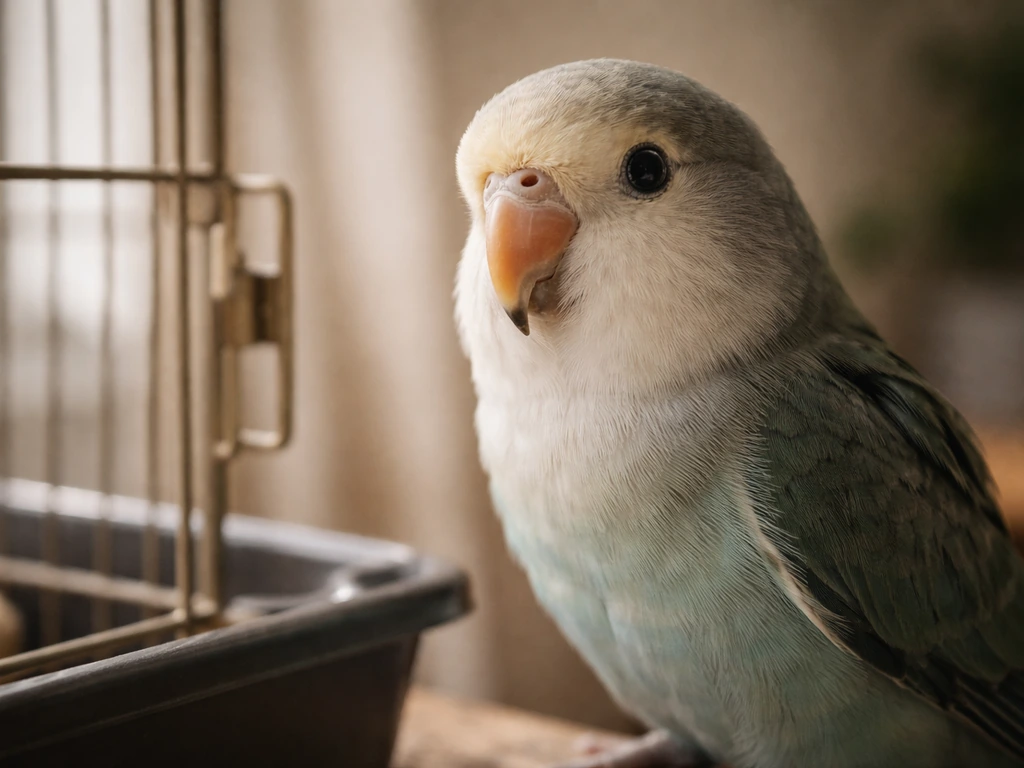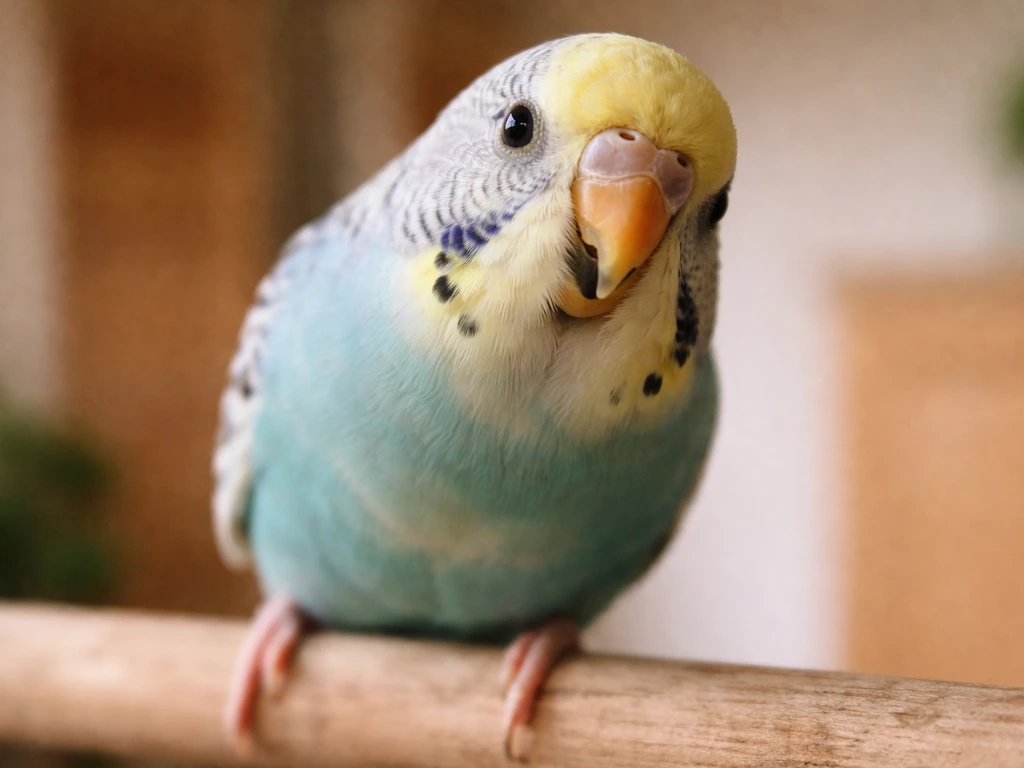
If your bird is chirping constantly and you're not sure whether to be worried or not, the short answer is: most of the time, it's completely normal. Birds are vocal animals and chirping is how they communicate, stay connected, and express how they're feeling. If your bird’s “crying” sounds are different from normal chirps, it usually points to a distinct stress, pain, or unmet-need trigger worth investigating why is my bird crying. But there are situations where a sudden change in chirping, especially a big increase or a total stop, is worth paying attention to. This guide walks you through the most likely causes, how to read what your bird is telling you, and what to check today before picking up the phone to call a vet. If the noise you are hearing is more of squawking than chirping, the same troubleshooting steps can help you figure out why your bird is vocalizing so much why is my bird squawking so much.
Why Is My Bird Chirping So Much? Causes and Steps

Normal vs. excessive chirping: how to tell the difference
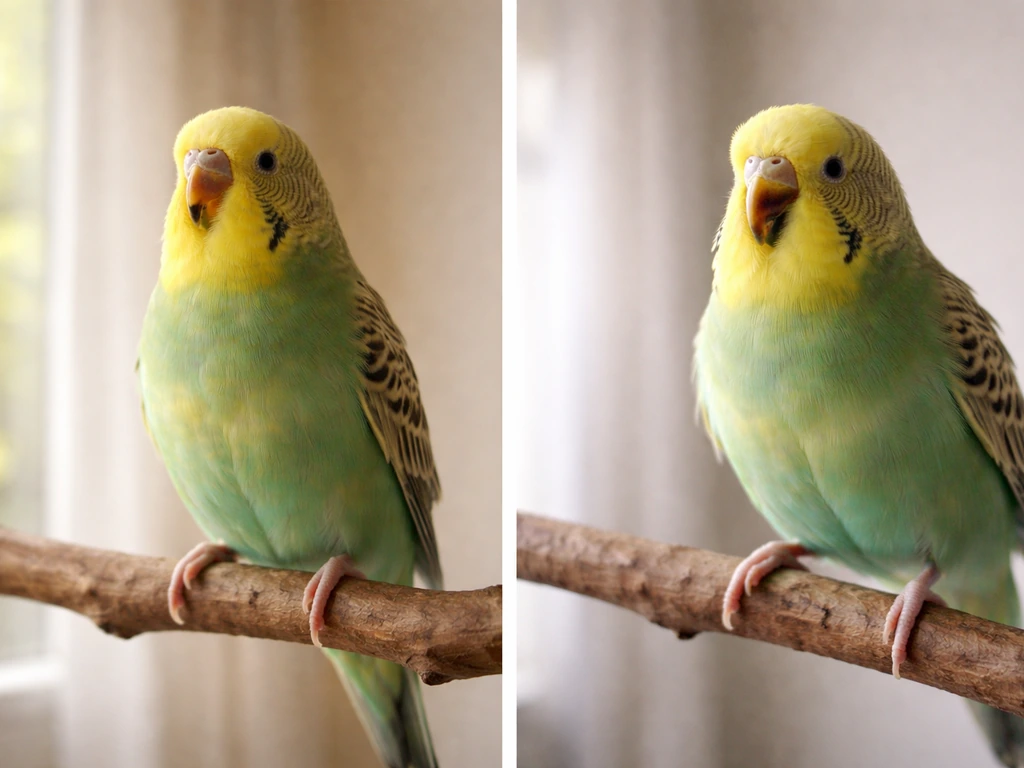
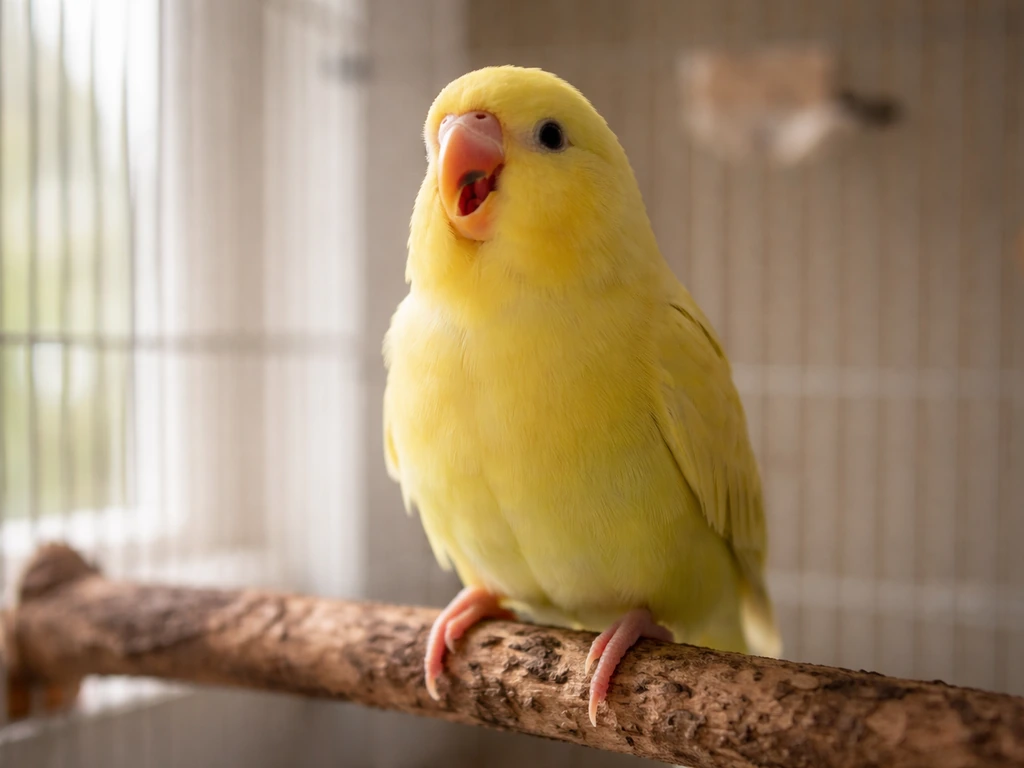
Normal chirping has a rhythm to it. Most pet birds have predictable vocal patterns tied to the time of day, their routine, and what's going on around them. A burst of chirping when you walk into the room, around feeding time, or during morning light is totally expected. Contact calls between bonded birds or between your bird and you are also completely typical. That kind of chirping is healthy communication, not a problem.
Excessive chirping is different in quality or intensity from what's normal for your specific bird. If your bird has been chirping steadily for hours, chirping in a frantic or distressed tone, or chirping in a way that seems compulsive rather than conversational, that's worth investigating. The key is knowing your bird's baseline. A parrot that's always chatty will naturally chirp more than a quieter species like a finch. The question isn't just "is my bird chirping a lot" but "is this more than usual, or different from what I normally hear?"
The most common reasons birds chirp constantly
Wanting attention
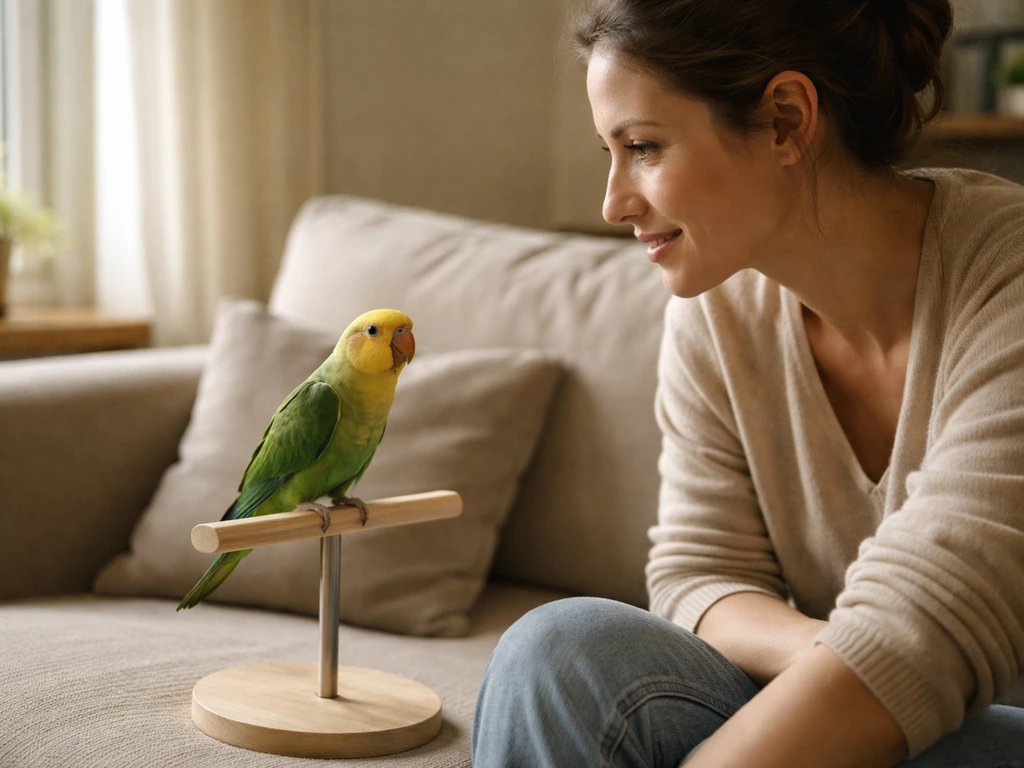
This is the number one driver of persistent chirping in pet birds. Birds are social animals, and when they feel ignored, lonely, or under-stimulated, they vocalize to get a response. The tricky part is that every time you go to your bird because it's chirping, you reinforce that behavior. Research from behavioral science confirms that birds can actually learn that loud, repeated calls reliably get a caregiver to react, which makes the chirping more likely to continue. That doesn't mean you should ignore your bird entirely, but it does mean structured attention at predictable times is more effective than responding every time the chirping starts.
Boredom and lack of enrichment
Birds that don't get enough stimulation will find ways to entertain themselves, and often that means excessive vocalizing. When birds don't receive regular attention and stimulation, they can become bored or stressed, which shows up as repetitive chirping, screaming, feather picking, or other unwanted behaviors. Toys, foraging activities, and rotating objects in the cage can help significantly. The Association of Avian Veterinarians even recommends food-foraging enrichment specifically to reduce boredom-driven repetitive behaviors, so it's worth trying.
Routine cues and daily schedule
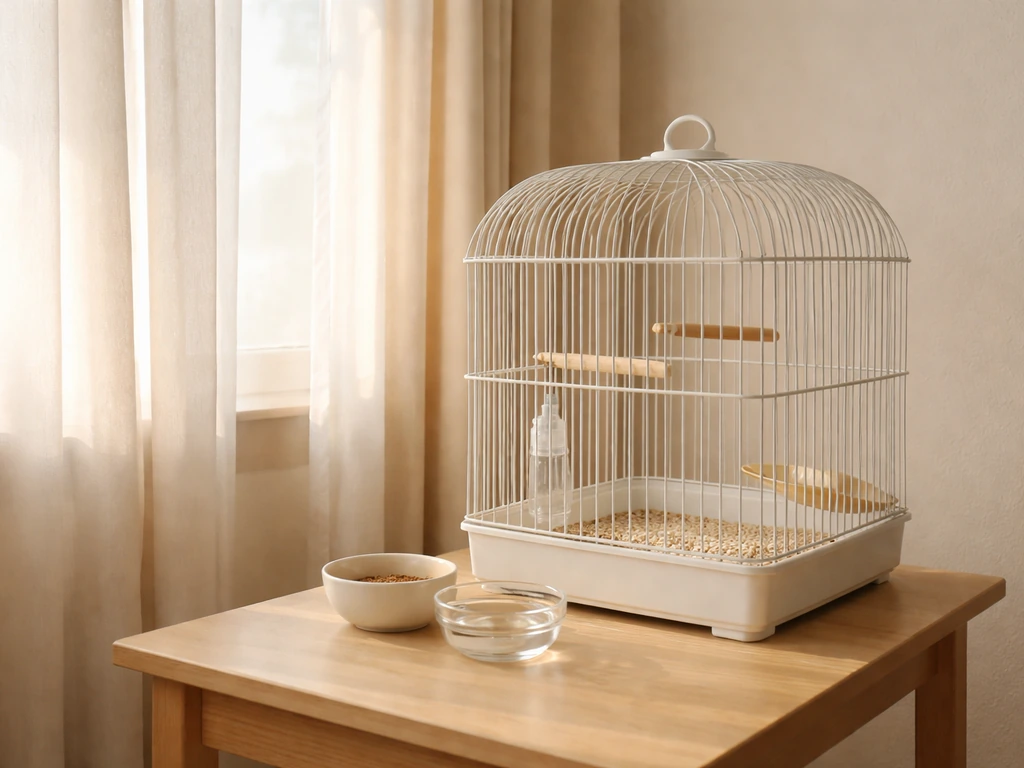
Birds are creatures of habit. Many will chirp at the same time each day because that's when they expect food, social interaction, or a change in their environment. If your bird chirps heavily right before you feed it, when it sees you grab the food container, or when it hears certain household sounds, that's routine-driven chirping. It's normal, but it can feel excessive if it starts earlier and earlier or escalates in volume over time.
Territorial behavior
Some birds become very vocal when they perceive a threat to their space, whether that's a new pet, a visitor, or even a reflection in a window. Territorial chirping tends to be louder and more insistent, and it often happens in response to a specific visual or auditory trigger. If you can identify what's setting your bird off, removing or blocking the trigger usually helps.
Species-typical vocalization
Some birds are just louder than others, full stop. Sun conures, cockatoos, and Amazon parrots are notorious for high-volume, high-frequency vocalization. If you have one of these species and your bird is chirping or calling constantly, that may simply be who your bird is. It's worth doing a little research on your specific species' typical vocal behavior before assuming something is wrong.
Why your bird chirps so much in the morning
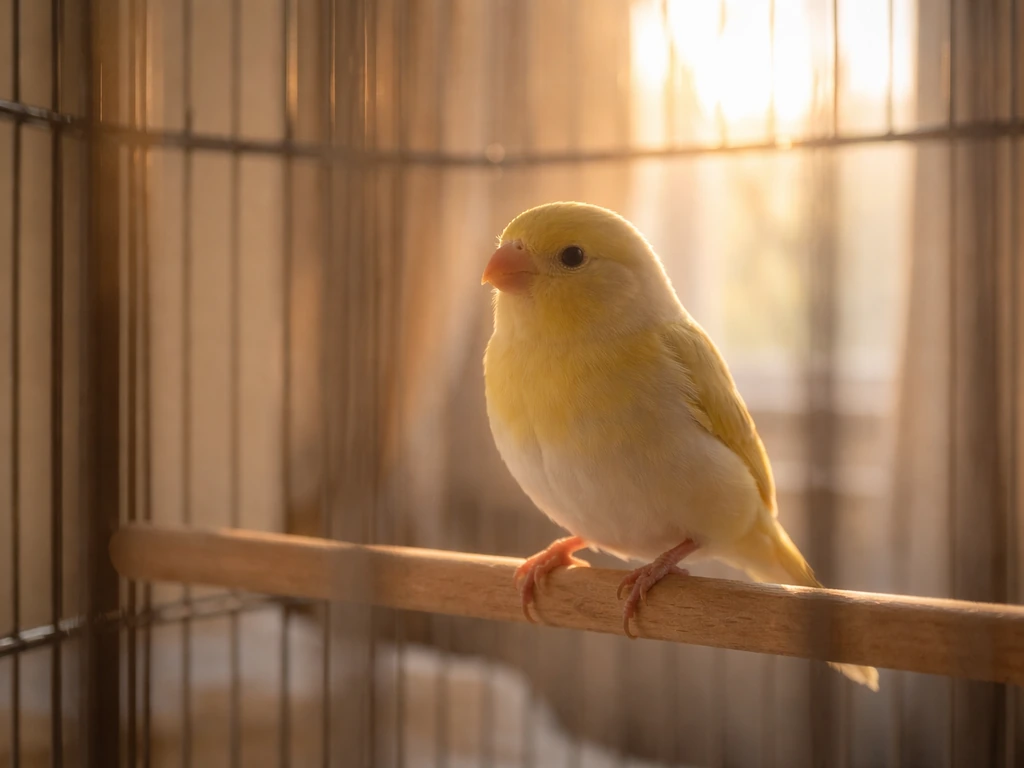
Morning chirping is almost always tied to light. When natural or artificial light hits your bird's environment, it triggers a wake-up response. In the wild, birds vocalize at dawn as part of a flock contact and territory-marking behavior, and pet birds carry that instinct. If your bird starts chirping the moment any light enters the room, that's completely normal.
The issue comes when morning chirping starts earlier than you'd like or is loud enough to disrupt your household. The fix is usually about light management. Keeping your bird's cage covered with a breathable cover at night helps block early morning light and can delay that dawn response by an hour or more. The Association of Avian Veterinarians recommends 10 to 12 hours of quiet, dark, uninterrupted sleep for most birds, and Purdue University also points out that a cage cover is one of the easiest ways to achieve proper rest conditions. If you're covering the cage but your bird is still chirping loudly at 5am, check whether light is getting in around the edges of the cover, or whether noise from outside is triggering it.
It's also worth noting that if your bird is chirping loudly and consistently in the morning but seems fine otherwise, this is usually a behavioral and schedule issue rather than a health one. If morning chirping is happening alongside other symptoms like fluffed feathers, lethargy, or breathing changes, that's a different conversation, covered below.
Loud vs. quiet chirping: what the volume can tell you
Volume shifts are one of the more useful signals your bird gives you. A bird that suddenly gets much louder than usual is often stressed, alarmed, or trying hard to get your attention. According to PetMD, a sudden increase in repetitive chirping or alarm calls can be linked to distress, and it's worth checking your environment for anything new or changed. A predator outside a window, a new household member, or even rearranged furniture can be enough to trigger escalated vocalizing.
A bird that has gotten noticeably quieter than usual is actually the more concerning scenario. Birds naturally mask signs of illness as a survival mechanism, so a quiet bird can sometimes be a sick bird. If your normally chatty bird has gone silent or is chirping much less than usual, that warrants a closer look. Check for other symptoms alongside the quietness, because quietness alone isn't always a red flag, but combined with other signs it can be.
When your bird isn't chirping at all
Not chirping is less talked about, but it matters just as much as chirping too much. There are a few different explanations, ranging from totally normal to genuinely concerning.
- A new bird in a new home often goes quiet for days or even weeks while adjusting. This is normal. Give it time, keep the environment calm, and don't force interaction.
- Heavy molting can make some birds more subdued and less vocal. VCA notes that birds may become less active during a heavy molt, and this can include reduced chirping.
- Sleep deprivation from insufficient dark/quiet time can cause a bird to seem dull and less vocal. Purdue University notes that lack of sleep weakens immune function and affects overall behavior.
- Illness is a serious possibility if the quietness is sudden and accompanied by other signs. Birds hide illness well, so a bird that has gone from chatty to silent in a short period of time deserves a vet call.
- Stress or fear from a recent change in the environment can cause a bird to shut down vocally. Think about what might have changed recently.
The main thing to watch for is whether the quietness is isolated or part of a bigger pattern. A quiet bird that's eating well, active, and has good posture is probably just having a low-key day. A quiet bird that's also sitting puffed at the bottom of the cage or showing any breathing irregularity is an urgent situation.
Today's troubleshooting checklist
Before you call a vet or jump to conclusions, run through these basics. Most cases of sudden or increased chirping can be traced back to one of these areas.
- Check food and water: Is the food bowl full and fresh? Is the water clean? Hunger and thirst are immediate triggers for persistent chirping.
- Check sleep hours: Is your bird getting 10 to 12 hours of dark, quiet, uninterrupted sleep each night? If not, sleep deprivation can drive behavioral changes including excessive vocalization. Use a breathable cage cover if needed.
- Check the light environment: Is morning light triggering early wake-ups? Is the cage in a spot with drafts, direct sun, or temperature fluctuations? Birds are sensitive to environmental changes.
- Check for new triggers: Has anything changed in the home recently? New pet, new person, moved cage, new sounds from outside? Birds notice more than we give them credit for.
- Check enrichment: Does your bird have enough toys, foraging opportunities, and physical stimulation? Swap out toys regularly and try a foraging feeder to reduce boredom-driven chirping.
- Check social time: How much one-on-one interaction is your bird getting each day? If it's been less than usual, that's likely the cause of attention-seeking chirping.
- Check ambient noise: Is a TV, radio, or outdoor noise acting as an ongoing trigger? Some birds respond to certain sounds by chirping back repeatedly.
- Check posture and appearance: Is your bird holding itself normally? Watch for fluffed feathers, sitting low, closed eyes during the day, or any change in droppings as signs that something else may be going on.
Health and stress red flags: when to call an avian vet
Chirping on its own is almost never an emergency. But chirping paired with any of the following signs is a reason to contact an avian vet promptly. Birds hide illness well, and by the time symptoms are obvious, the situation can already be serious.
| Sign | What It May Indicate | Action |
|---|---|---|
| Open-mouth breathing or wheezing | Respiratory distress or infection | Call avian vet immediately |
| Tail bobbing with each breath | Respiratory difficulty or illness | Call avian vet immediately |
| Fluffed feathers and lethargy together | Illness, infection, or significant stress | Call avian vet promptly |
| Sitting at the bottom of the cage | Serious illness or injury | Call avian vet immediately |
| Sudden silence after being chatty | Possible illness or acute stress | Monitor closely; call vet if other signs appear |
| Discharge from eyes or nostrils | Respiratory or systemic infection | Call avian vet promptly |
| Change in droppings (color, consistency, volume) | Digestive or systemic illness | Call avian vet promptly |
| Not eating or drinking | Illness or significant stress | Call avian vet promptly |
| Repetitive chirping with no clear cause, lasting hours | Possible pain, distress, or illness | Monitor and call vet if it continues |
The Gabriel Foundation is clear on this point: breathing difficulty in birds is always an emergency. If you see open-mouth breathing, tail bobbing, or rapid respiration, don't wait to see if it resolves on its own. Get to an avian vet or emergency exotic animal clinic right away.
For stress-related chirping without physical symptoms, the path forward is different. Address the environmental and social factors first using the checklist above. If the chirping doesn't improve after a few days of changes, or if you can't identify a clear cause, an avian vet can help rule out underlying health issues and give you a behavioral plan that fits your specific bird.
It's also worth knowing that excessive vocalization exists on a spectrum. If your bird's chirping is more of a screaming situation, or if it specifically spikes when you leave the room or at certain times of day, those patterns have their own nuances worth understanding separately. If your bird screams specifically when you leave the room, it is often a stress or attachment-related cue that you can troubleshoot by checking routine, enrichment, and sound and light triggers spikes when you leave the room. If your bird seems to be screaming for no clear reason, check the same routine cues, stress triggers, and enrichment needs to narrow down what's going on screaming situation. The behavior your bird is showing, whether that's chirping, squawking, or night-time distress, usually has a specific trigger, and finding it is half the solution. If your bird freaks out at night, it often comes down to light, sound, routine, or a specific trigger you can identify and adjust night-time distress.
FAQ
How can I tell if my bird’s chirping is just normal communication or something I need to act on today?
First, compare today’s behavior to your bird’s own baseline, not to other birds. Then check for changes you can name (feeding time, who is home, new sounds, new cage location, visitors, weather-related drafts, or lights from windows). If the chirping is rhythmic and your bird is eating normally and perching comfortably, it’s usually behavioral. If it’s paired with a sudden quieting, puffy posture, breathing changes, or open-mouth breathing, treat it as potentially urgent and contact an avian vet.
What’s the best way to figure out what’s triggering my bird’s excessive chirping, since it seems to happen all day?
Schedule a short “data check” for 1 to 2 days: write down when chirping starts, how long it lasts, what happened right before (you entering the room, feeding, cleaning, music, door sounds), and whether your bird responds when you stay still. If the chirping reliably increases right after you attend to it, you may be reinforcing attention-seeking, so switch to brief, predictable interaction windows and avoid responding the moment the noise starts.
If chirping is attention-seeking, what specific changes reduce it without making my bird feel neglected?
In many birds, lack of contact and under-stimulation can drive vocalization, but the goal is to change the pattern, not just “give more attention.” Try foraging-based enrichment (paper cups or shallow trays with safe treats hidden), rotate 1 to 2 toys weekly instead of constantly changing everything, and ensure several low-stimulation periods where you do not engage. Keep interaction predictable, for example same morning and evening times, and let chirps happen without immediate reinforcement.
Could something in my home setup (cleaners, window, sounds) be causing the chirping, and how do I test what it is?
Do a quick safety and environment scan. Look for drafts, fumes, smoke, strong cleaners, essential oil diffusers, overheating from nearby appliances, and any new plants or air fresheners. Also check the cage placement, if it faces a busy window or mirrors at certain angles it can trigger territorial calling. If chirping ramps up with specific household sounds, test by lowering that noise source for a few days (for example quieter TV volume) to see if the pattern changes.
My bird chirps early in the morning even when I cover the cage. What should I check next?
Cage-cover timing matters. If you cover for sleep but your bird still starts early, light may be leaking around the sides, the cover may be too thin or not secured, or there may be a bright hallway light hitting the cage indirectly. Make sure the cage is in a fully dark location during the quiet period and that you avoid checking on your bird with bright lights during the coverage window.
What if my bird is chirping less than usual, does that mean the same thing as excessive chirping?
Not chirping can be normal on some days, but look for context. If your bird is silent and also changes posture (sitting low or puffed consistently), has reduced appetite, has fluffed feathers, or shows any breathing abnormality, contact an avian vet promptly. If your bird remains active, accepts food, and has normal breathing, you can monitor for 24 hours while checking light schedule, stressors, and recent changes.
What breathing or body-signs mean my bird’s vocalizing problems could be an emergency?
Do not wait if there are breathing red flags. Open-mouth breathing, rapid or labored respiration, tail bobbing, or repeated gasping are emergency signs. Even if your bird is still vocalizing, breathing difficulty overrides behavior explanations. Seek an avian vet or emergency exotic animal clinic immediately.
How do I stop reinforcing attention-seeking chirping if I keep accidentally responding when it starts?
Use a consistent response plan. For attention-seeking chirps, try not to “answer” each chirp. Instead, only respond during calm moments or at predetermined times, and immediately redirect to enrichment or a simple training cue when the chirps start. Over a few days, many birds reduce the pattern once they learn that loud calling no longer reliably triggers immediate attention.
My bird is a naturally loud species. When is “normal loud” still considered excessive?
Some species are naturally louder and more frequent vocalizers, but volume spikes still matter. Confirm typical vocal behavior for your specific species and sex, then note whether your bird’s volume and frequency have changed recently. A constant loud “baseline” can be normal, but escalations that coincide with new triggers (visitors, relocation, mirrors/windows, or rearranged furniture) point to environmental or stress factors.
My bird chirps most when I leave. What can I do to reduce separation-related vocalizing?
If the chirping spikes when you leave the room, it often relates to separation cues and routine. Try leaving and returning in small increments at first (seconds, then minutes), keep departures low-key, and provide a preferred foraging activity that starts before you leave. If you also see night-time distress, address light and sound schedule consistency as well, because those two issues often overlap.