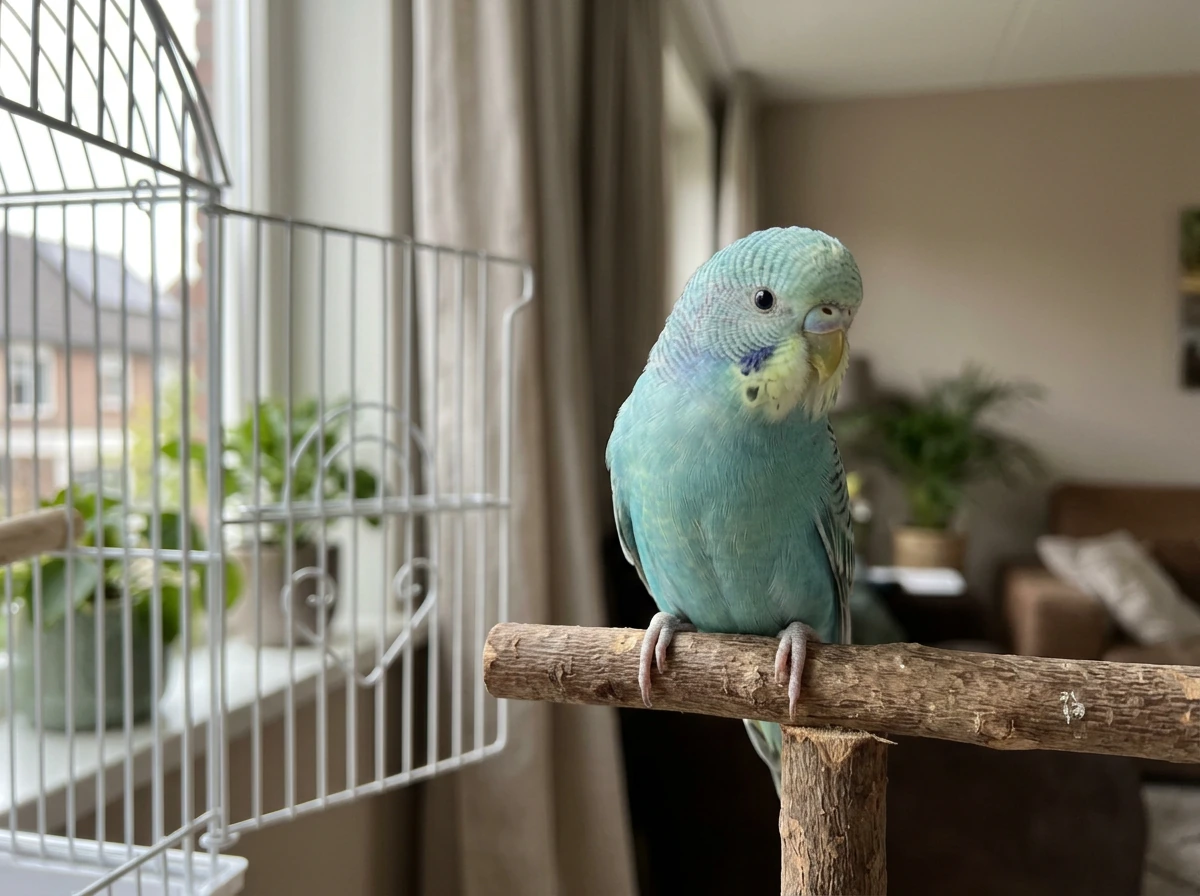
If you’re seeing why is my bird shaking, a shivering bird is unsettling to watch, and the honest answer is: it depends on what's causing it. Shivering can be completely normal, like a quick muscle shudder after a bath, or it can be the first visible sign that something is seriously wrong. Before you panic or dismiss it, run through the triage steps below. They'll help you decide in the next few minutes whether you need to call a vet right now, make some quick environmental fixes, or simply keep watching.
Why Is My Bird Shivering? Quick Triage and Fixes Today
Marcus Chen
23 Mar 2026
Quick triage: is the shivering an emergency?
Check for these warning signs immediately. If your bird is shivering AND showing any of the following, treat it as an emergency and contact an avian vet right now, not after dinner, not tomorrow morning.
- Open-mouth breathing or breathing that looks labored and effortful
- Tail bobbing up and down with every breath (a major respiratory red flag)
- Cannot stay on its perch, keeps falling, or is sitting flat on the cage floor
- Head tilting, staggering, or walking in circles (neurological signs)
- Wings drooping at the sides when the bird is otherwise still
- Recent exposure to aerosols, fumes, non-stick cookware smoke, pesticides, or cleaning products
- No movement, eyes closed, completely unresponsive to you
If none of those apply and your bird is alert, perching, and responding to you, you likely have time to work through the steps in this article. Still take it seriously, but you're not in a drop-everything-right-now situation yet.
One quick note: shivering, shaking, vibrating, and twitching can all look similar at a glance. If what you're seeing is more of a rapid full-body buzz or a repetitive twitch in one area, those behaviors have some of their own specific causes worth looking into separately. why is my bird twitching
Common causes of shivering in pet birds
Most of the time, when a bird shivers, it comes down to one of three things: it's cold, it's stressed, or it just did something physically exciting. Here's how to tell them apart.
Your bird is cold
This is the most common cause, and it's the most straightforward to fix. Birds are sensitive to temperature drops that might feel minor to us. A drafty room, an air conditioning vent blowing nearby, a cage near a window on a cool night, or even a wet bird after a bath can all trigger shivering. Most pet birds are comfortable in the 65 to 85°F (18 to 29°C) range, and anything below that, especially with added airflow, can push them into discomfort quickly.
When a bird is simply cold, you'll usually notice it's also puffed up, trying to look rounder to conserve heat. That puffing combined with shivering is a classic cold-bird picture. Once you warm things up, both behaviors typically stop within 15 to 30 minutes.
Stress or fear
Fear is another very common shivering trigger. A new person in the room, a loud noise, a predator outside the window (even a neighborhood cat walking past), or a recent change in the bird's environment can all cause a brief shivering episode. This kind of shivering usually comes on suddenly, is paired with wide alert eyes and a tense posture, and stops once the stressor is removed. The bird won't look generally unwell, it'll look scared.
Post-bath shuddering or excitement
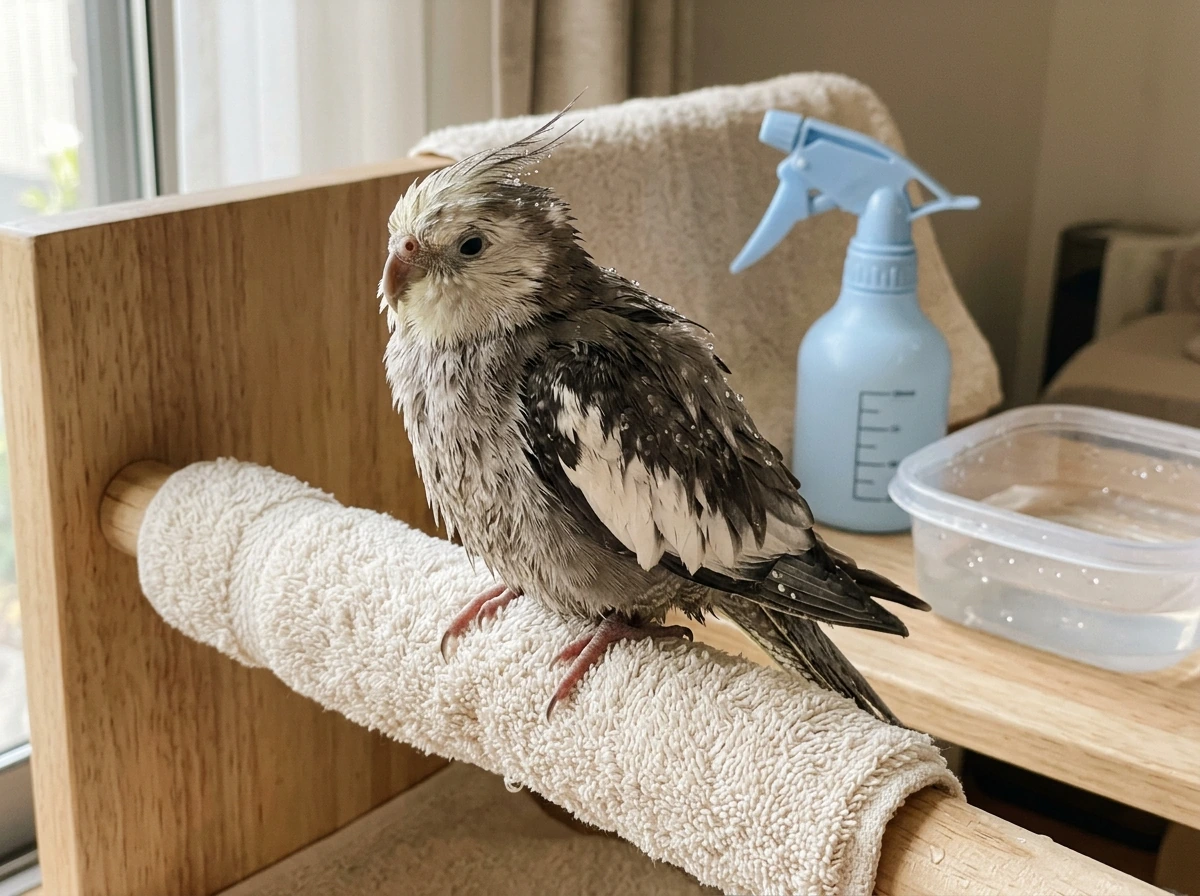
Birds often shiver or shudder after bathing as their muscles generate heat to dry off. Some birds also do a rapid feather-shaking or body-quiver when they're excited, when their favorite person walks in, or after preening. These shiver-like movements are brief, context-specific, and stop on their own. If you just misted your bird or it had a bath, wet feathers plus a cool room is the most likely explanation.
Illness red flags behind shivering
The tricky thing about birds is that they instinctively hide illness for as long as possible. By the time shivering shows up alongside other symptoms, the bird may have been unwell for longer than you realize. Here are the illness-related causes that shivering can point toward.
Infection or systemic illness
Bacterial, viral, or fungal infections can cause shivering as the bird's body tries to regulate temperature during illness. Think of it like the chills you feel when you have a fever. In birds, this usually comes with other signs: reduced appetite, ruffled feathers that don't settle normally, unusual droppings, lethargy, or sitting at the bottom of the cage. Respiratory infections in particular can cause shivering alongside nasal discharge, sneezing, or changes in the bird's voice or breathing.
Pain
A bird in pain often shivers. Internal pain from an injury, egg binding (in females), or organ problems can all cause shivering without any obvious external injury. Signs that pain may be involved include reluctance to move, drooping one or both wings, difficulty climbing, or resisting handling from a bird that's normally comfortable with it.
Toxin exposure
This is the one you don't want to miss. Birds have extremely sensitive respiratory systems, and exposure to non-stick cookware fumes, aerosol sprays, scented candles, cigarette smoke, cleaning products, or pesticides can cause rapid deterioration. Neurological signs (shivering, twitching, inability to stand, head tilt) combined with breathing difficulty after any potential fume exposure is a true emergency. Don't wait to see if it improves.
Environmental fixes you can do right now
If your bird is shivering and there's no obvious emergency, start here. These steps address the most common cause (cold or drafts) and also provide supportive comfort if illness is involved.
Raise the temperature safely
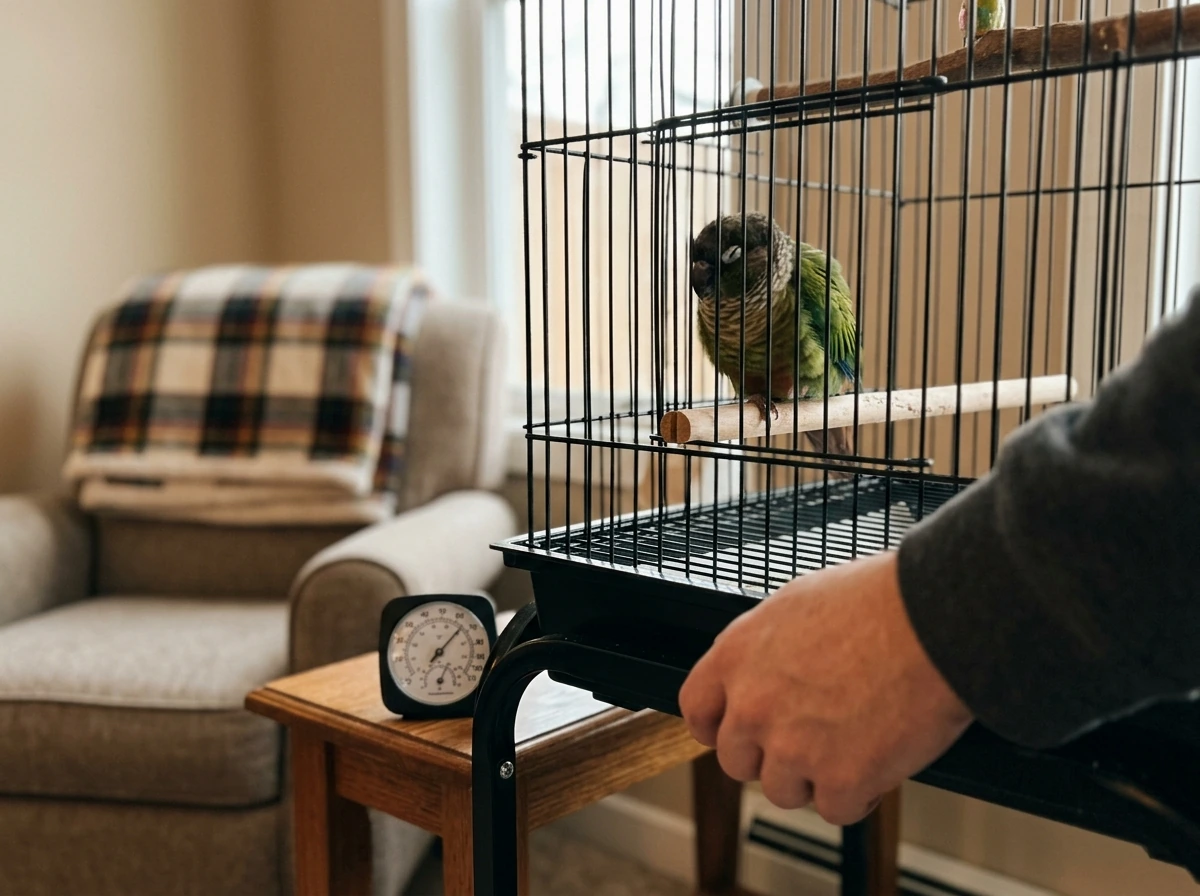
Move the cage to the warmest, quietest room in your home, away from windows, exterior walls, and air vents. The target ambient temperature for a sick or cold bird is around 85°F (29°C), which is warmer than most households sit at. If your room temperature is below that and you can't raise it easily, you can use a heating pad on its lowest setting, placed under only one half of the cage floor with a folded towel between the pad and the cage. This lets the bird move away from the heat source if it gets too warm. The target cage temperature range using this method is roughly 75 to 85°F (24 to 29°C).
Never place a heat lamp directly on the cage without a way to regulate the temperature, and avoid microwave-heated products or anything you can't monitor continuously. Thermal burns are a real risk when birds can't regulate their own exposure.
Eliminate drafts
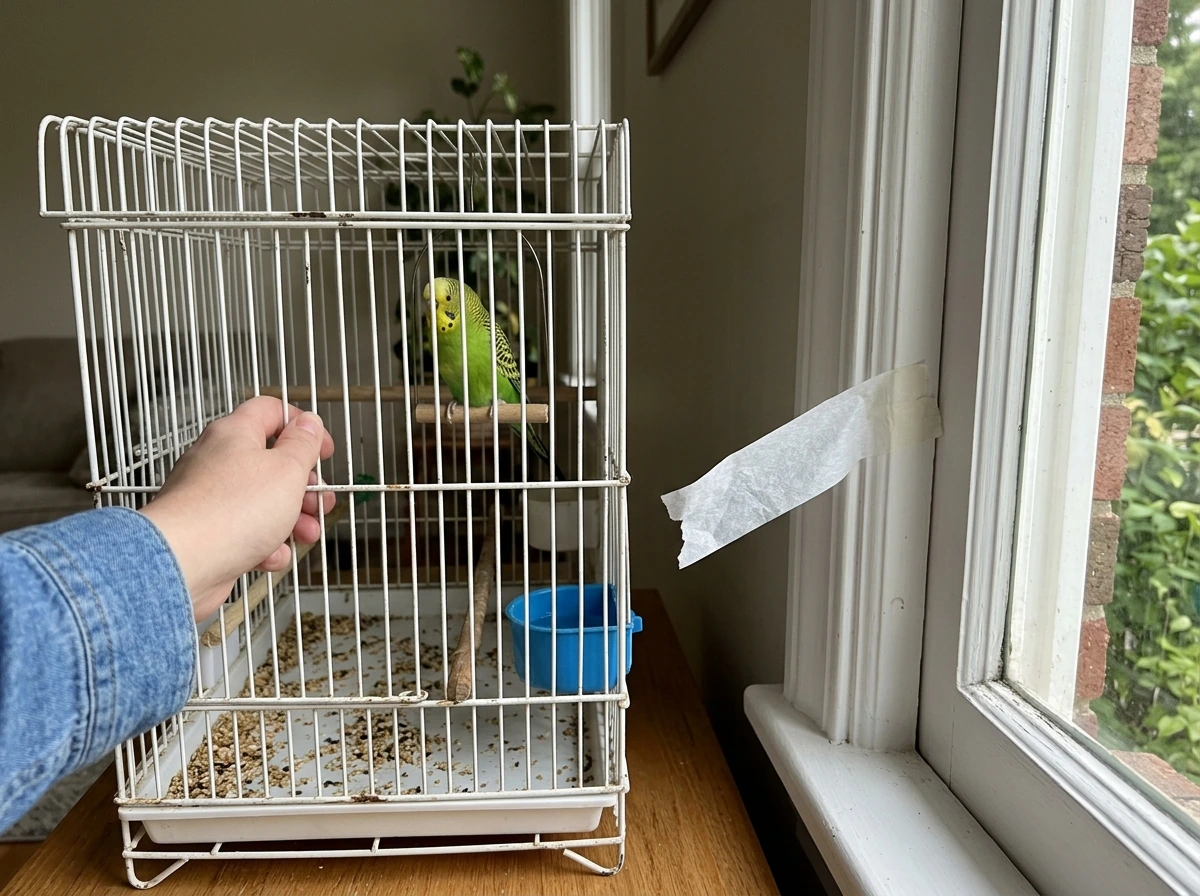
Walk around the cage and check for airflow. A/C vents, fans, open windows, even a hallway that gets a breeze every time the front door opens, all of these create drafts that can make a bird cold faster than the room temperature suggests. Cover three sides of the cage with a breathable cloth if needed, leaving the front open for ventilation and observation.
Check humidity
Very dry air (common in winter with heating running) can irritate a bird's respiratory tract and make it harder to recover from illness. Humidity around 50 to 70% is ideal. A small humidifier near the cage (not blowing directly at the bird) can help, especially in dry climates or centrally heated homes.
Reduce stress in the environment
Keep noise and activity low around a shivering bird. Dim the lights a little if it seems scared or overstimulated. A quiet, warm, slightly dim environment is the gold standard for birds that are stressed or unwell, and it costs nothing to set up in the next five minutes.
Behavior and health checks to narrow the cause
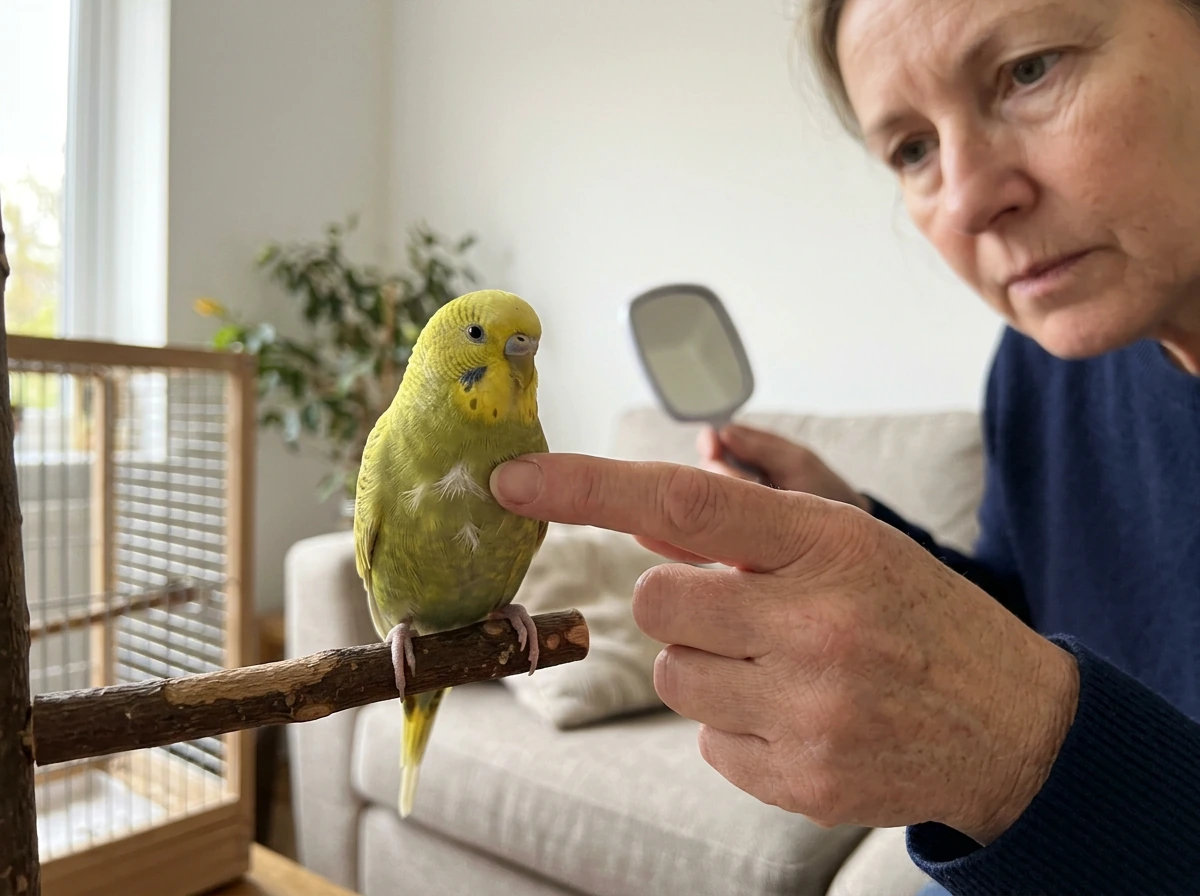
While you're keeping your bird warm, do a quick but systematic observation. You're looking for additional symptoms that help you decide whether this is a cold-and-drafty situation or something that needs veterinary attention.
| What to check | What normal looks like | What's a concern |
|---|---|---|
| Breathing | Quiet, closed-beak, steady | Open-mouth breathing, tail bobbing, audible wheezing |
| Posture | Upright, balanced on perch | Hunched, fluffed, falling off perch, wings drooping |
| Eyes | Bright, open, alert | Half-closed, dull, sunken |
| Appetite | Eating and foraging normally | Ignoring food for more than a few hours |
| Droppings | Normal color and consistency for that bird | Watery, discolored, absent, or very reduced |
| Feathers | Smooth or normally fluffed | Constantly fluffed, ruffled, or not resettling |
| Activity | Moving, vocalizing, curious | Sitting still, quiet, unresponsive to stimulation |
If the shivering stops within 30 minutes after you warm the environment and reduce stress, and all the checks above look normal, you're likely dealing with a simple cold or fear response. Keep watching for the next few hours to make sure it doesn't return.
If the shivering continues despite a warm environment, or if any of the concern column items are present, that's when you move toward calling an avian vet.
What not to do and how to monitor safely
A few common mistakes can make things worse, even when the intention is to help.
- Don't force-feed food or water. If your bird isn't eating, make food and fresh water easy to access at the bird's current level (especially if it's sitting low or on the cage floor), but do not force anything into its beak. Force-feeding can cause aspiration and is only done under veterinary instruction.
- Don't use a heat lamp at close range without temperature monitoring. Overheating a bird is a real danger, especially if it's too weak to move away.
- Don't assume it'll pass without watching. 'Wait and see' is fine for 30 to 60 minutes in a warm, quiet environment, but shivering that persists or worsens is not something to sleep on.
- Don't expose the bird to more stressors while monitoring. Avoid handling more than necessary, keep other pets out of the room, and reduce household noise.
- Don't mistake normal behaviors for shivering. A rapid feather shake after preening, a brief quiver when excited, or shuddering post-bath are all normal. Context matters.
For monitoring, check in on your bird every 15 to 20 minutes over the first hour. Note the time shivering started, whether it's continuous or comes and goes, and whether any other symptoms develop. Write these observations down. They'll be useful if you need to call a vet.
When to contact an avian vet and what to tell them
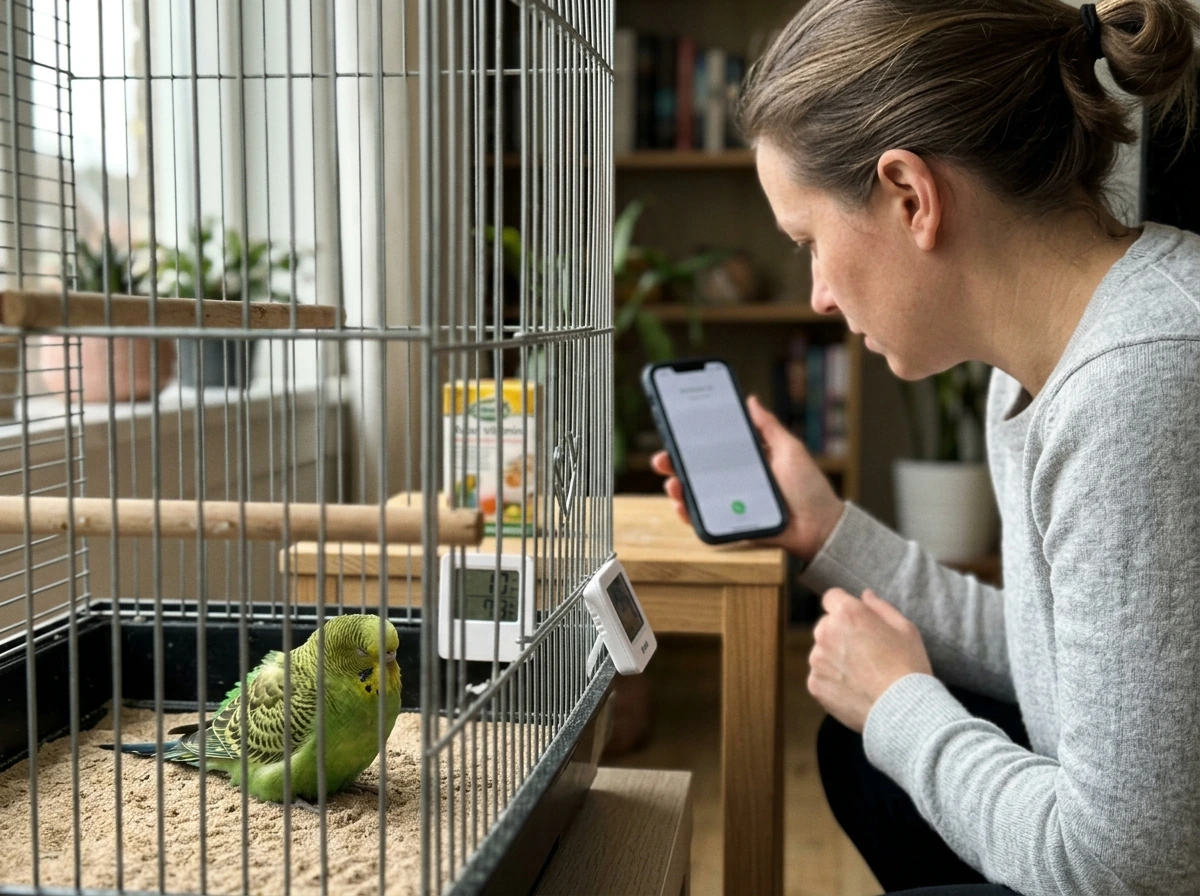
Call an avian vet immediately if you see any of the emergency signs from the triage section at the top: breathing difficulty, inability to perch, neurological symptoms, or known fume/toxin exposure. These are not watch-and-wait situations.
Call an avian vet same-day or within 24 hours if the shivering persists for more than an hour after you've warmed the environment, if the bird is not eating or drinking, if droppings are abnormal, or if the bird seems lethargic and disengaged even in a warm, quiet setting.
When you call, give the vet the following details so they can triage you accurately over the phone and prepare for the visit:
- What species and approximate age your bird is
- When the shivering started and whether it's constant or intermittent
- The current room temperature and whether there are any obvious drafts or heat sources
- Whether there was any recent exposure to fumes, aerosols, new foods, or cleaning products
- What the bird's appetite, droppings, and activity level have been like in the past 24 to 48 hours
- Any other symptoms you've noticed: sneezing, discharge, posture changes, feather condition
- Whether the bird has had any recent changes in environment, diet, or routine
While you're waiting for the appointment or an after-hours callback, keep the bird in a warm (around 85°F), quiet, and slightly dimmed space with easy access to food and water. That environment supports recovery regardless of the underlying cause, and it's what most avian vets will recommend as first-line supportive care anyway.
Birds hide illness well, but shivering is their body's way of telling you something is off. Taking it seriously, even when it turns out to be nothing more than a chilly draft, is always the right call.
FAQ
How long should I wait before I call the vet if my bird is still shivering after I warm the room?
If shivering does not improve within about 30 minutes of warming and stress reduction, start moving toward a same-day call. If it persists for more than an hour after the environment is corrected, contact an avian vet within 24 hours, sooner if the bird also stops eating, has abnormal droppings, or becomes lethargic even when warm.
My bird shivered briefly and then acted normal. Should I still monitor them?
Yes. Even if it stops, check in every 15 to 20 minutes for the first hour and note whether the behavior returns, whether posture and eyes stay normal, and whether any breathing or droppings changes appear. Write down the start time and whether it was continuous or intermittent, because that helps a vet interpret what you saw.
What temperature should I aim for, and is it possible to overheat a bird with a heating pad?
Aim for the bird’s environment around 85°F (29°C). If using a heating pad, place it under only one half of the cage with a towel barrier, so the bird can move away if it gets too warm. Avoid placing any heat source directly on the cage without tight temperature control, because birds can get burned when they cannot regulate exposure.
Should I cover the whole cage to keep drafts out?
Do not fully seal the cage. If you need to block airflow, cover three sides with breathable cloth and leave the front open so air can still circulate and so you can observe the bird. Make sure any airflow stops, but ventilation remains adequate.
Can normal post-bath shivering be mistaken for something serious?
Yes. Post-bath shivering is usually brief and tied to wet feathers, and the bird stays alert and otherwise normal. If shivering continues, your bird seems weak, shows breathing changes, or has other illness signs, treat it as more than a bath response. Wet plus a cool room is common, but persistent symptoms warrant vet advice.
My bird shivers but it also seems puffed up. Does that always mean cold?
Puffing plus shivering strongly suggests cold, because puffing is a heat-conservation posture. Still check for other cues like abnormal droppings, reduced appetite, or respiratory symptoms, since illness can also cause temperature regulation changes. If warmth does not resolve it, do not assume it is only temperature.
What if I recently used scented products or cleaned with something new, and now my bird is shaking?
Treat it as urgent. Non-stick cookware fumes, aerosol sprays, scented candles, cigarette smoke, cleaning products, and pesticides can cause rapid deterioration. If shivering occurs after potential fume or toxin exposure, contact an avian vet immediately rather than waiting to see if it improves.
Can shivering happen with fear or stress, and how do I tell it apart from illness?
Fear-related shivering typically comes on suddenly after a trigger (loud noise, a new person, a perceived predator, or a recent change), with a tense posture and wide alert eyes. It usually stops once the stressor is removed. Illness is more likely when shivering is persistent, progressive, or paired with reduced appetite, unusual droppings, lethargy, or breathing/voice changes.
My bird is twitching or vibrating instead of shivering. Is that the same issue?
Not always. “Shivering, shaking, vibrating, and twitching” can look similar, but twitching or repetitive localized movements may point to different causes than generalized cold or stress. If the movement is rapid buzzing, repetitive twitching in one area, head tilt, or inability to stand, prioritize veterinary guidance, especially if breathing is affected.
If I’m using a humidifier to help, what placement should I use and what level is ideal?
Use humidity around 50 to 70% when possible. Place a small humidifier near the cage but do not blow mist directly at the bird, since direct airflow can worsen irritation. Increase humidity gradually and monitor for condensation around the cage area.
What are common mistakes people make when trying to help a shivering bird?
Common pitfalls include relying on a heat lamp without safe temperature regulation, using unmonitored microwave-heated products, leaving drafts in place (vents, open windows, doorways), and delaying veterinary contact when breathing or toxin exposure is involved. Another mistake is assuming a single brief episode means everything is fine, instead of checking frequently for the first hour.
Next Article
Why Is My Bird Twitching? Causes and What to Do Now
Find why your bird twitches, what to check now, safe at-home steps, and when it signals pain or a vet visit.