
If your bird is sleeping while hanging on the cage bars, there's a good chance it's completely normal. Many birds, especially budgies, parakeets, and cockatiels, will roost on the bars by choice, particularly if the available perches feel uncomfortable, are placed awkwardly, or don't feel stable enough. That said, hanging on the bars can also be a sign of foot pain, overheating, stress, or in rarer cases, illness that makes normal perching uncomfortable. The difference usually comes down to how your bird looks and acts during the rest of the day, which you can check right now in a few minutes. If you want to understand how a bird feels in a cage, focus on behavior and comfort cues, not just the sleeping spot.
Why Does My Bird Sleep Hanging on the Cage Bars?

Marcus Chen
29 May 2026
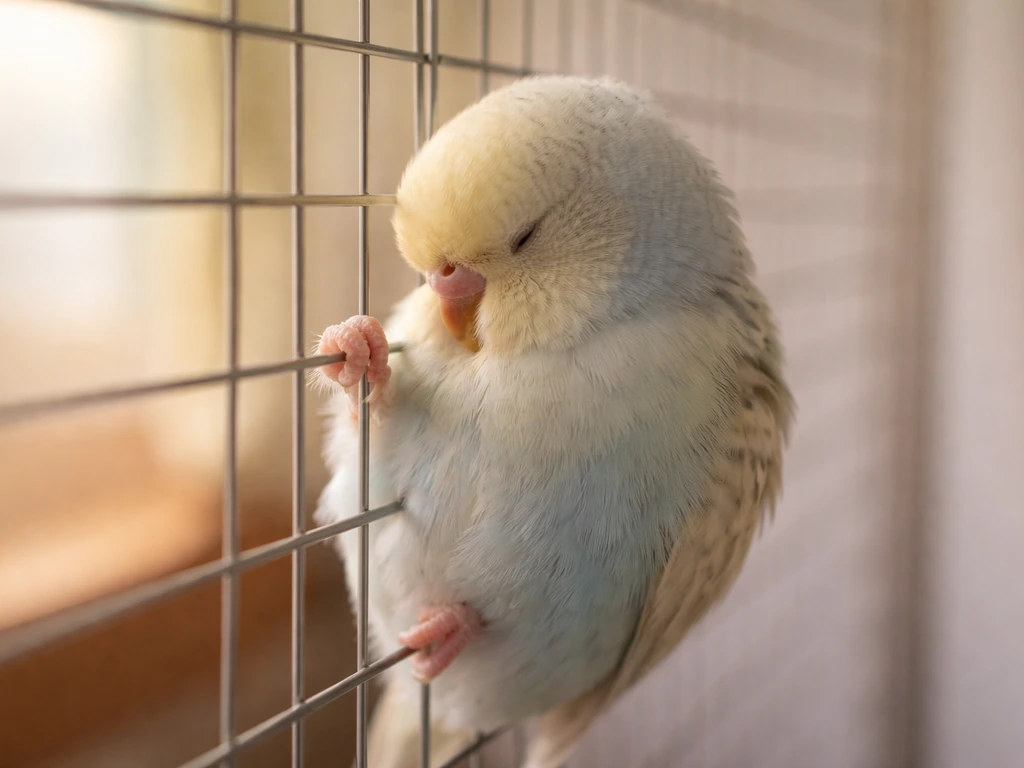
Normal vs unusual sleeping positions
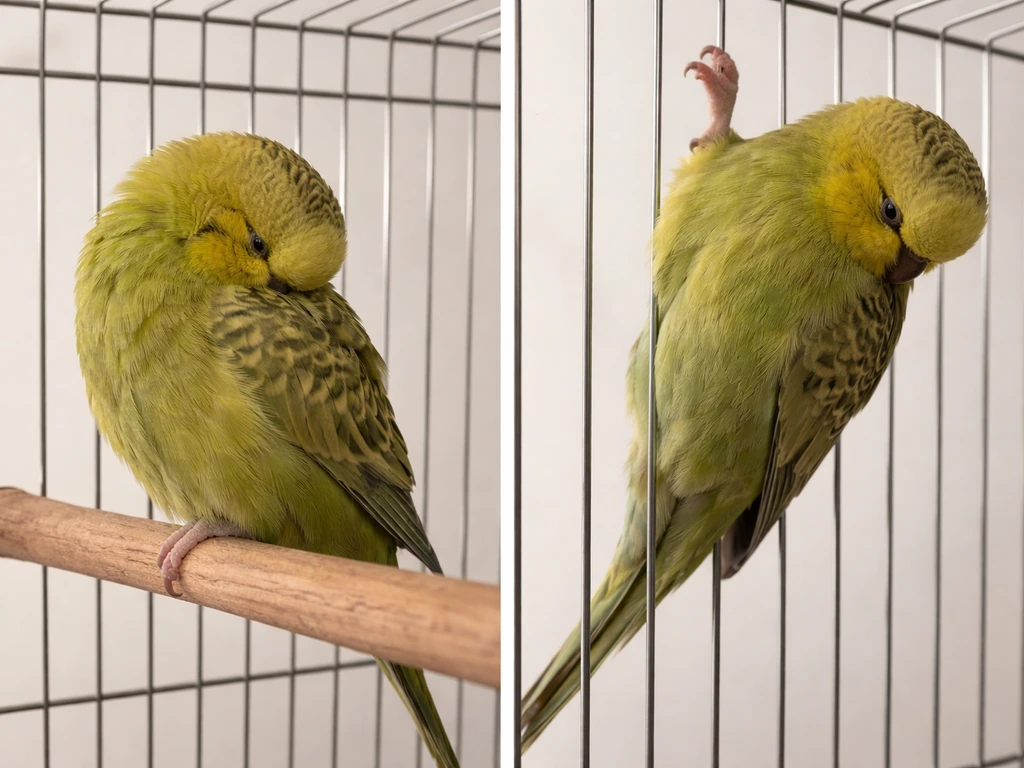
A healthy bird sleeping on a perch typically tucks one foot up into its belly feathers and may rotate its head backward to tuck its beak into the feathers on its back. This is the classic roosting posture you'll see in budgies, parakeets, and cockatiels. Cockatiels may also sleep facing forward with both feet gripping the perch, especially if they feel alert or slightly unsettled. Finches and other small songbirds naturally roost on narrow branches at night, often one-legged, and will do the same on cage bars.
Hanging on the cage bars, rather than a perch, is a variation you'll see in many birds. It isn't automatically alarming. Some birds simply prefer the grip of the bars over a smooth dowel perch, especially at the highest point in the cage, which is where birds instinctively want to sleep (high feels safer to them). If your bird hangs on the bars but looks relaxed, has one foot tucked up, feathers are gently fluffed in a soft puff, and it's alert and active during the day, you're probably fine.
What you don't want to see: a bird sleeping on the bottom of the cage, a bird that can't hold itself on any perch or bars and keeps slipping, or a bird that looks hunched, puffed up beyond the normal soft roosting fluff, or has its eyes half-closed during the day. Those are separate concerns worth reading about, and they tend to mean something different from choosing to hang on the bars at night.
Common reasons birds hang or rest on the cage bars
The most common reason is simple: the perches aren't good enough. If the perch is too smooth, too thin, too thick, or positioned poorly, many birds will opt for the grip of the metal bars instead. A perch that's the right size for a budgie or parakeet should be roughly 3/8 inch in diameter, and your bird's toes should wrap about three-quarters of the way around without touching underneath. If they wrap all the way around and the toenails meet, the perch is too thin. If the bird stands completely flat-footed on top, it's too thick. Either way, hanging on the bars might feel better.
Beyond perch fit, here are the other reasons this happens most often:
- The highest perch in the cage isn't actually the highest point available, so the bird climbs the bars to get higher.
- The perch wobbles or spins, and the bars feel more stable.
- The bird is too warm and is hanging near ventilation or away from a heat source.
- Stress or a new change in the environment (new pet, new room, new schedule) is disrupting normal roosting.
- Foot or leg discomfort makes gripping a round perch painful, and the flat bar surface is easier.
- Young birds are still figuring out roosting and may try different spots before settling.
- Older birds with joint stiffness may find certain perch heights or textures harder to grip.
- A female bird experiencing reproductive discomfort (including egg binding) may shift positions frequently at night.
Check your bird's health signals right now
Before you rearrange the cage or call a vet, spend two to three minutes observing your bird from a comfortable distance. You're looking for a cluster of signals, not just one. A single fluffed feather doesn't mean much. Multiple signals together are what should raise concern.
Posture and balance
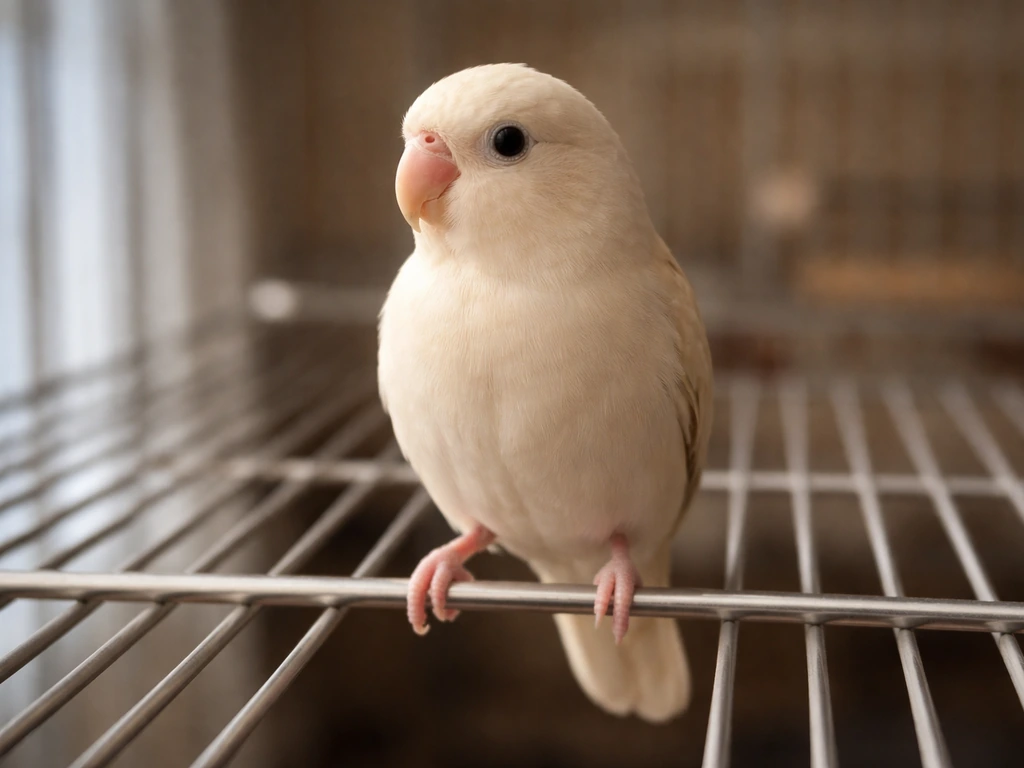
A healthy bird stands upright and moves with purpose. It should be able to hold itself steady on a perch or the bars without swaying, gripping too hard, or slipping. If your bird seems to be hanging on the bars because it can't maintain balance on a perch, that's a red flag.
Breathing
Watch the tail. A healthy bird's tail stays still while it breathes. If you see the tail bobbing up and down with every breath, that's a sign of labored breathing and needs veterinary attention quickly. Open-mouth breathing at rest is also a serious warning sign. So is any clicking, wheezing, or audible noise when the bird breathes.
Feather condition and body temperature management
Normal roosting fluff looks like a gentle, soft puff, and the bird snaps back to sleek, smooth feathers when alert. A sick bird stays puffed up most of the day, even when active or approached. If you see your bird holding its wings slightly away from its body, with flat, sleek feathers and open-mouth breathing, it may be overheating.
Eyes
Eyes should be bright, round, and open during the day. Half-closed eyes during waking hours, especially combined with other symptoms, suggest the bird isn't feeling well.
Droppings
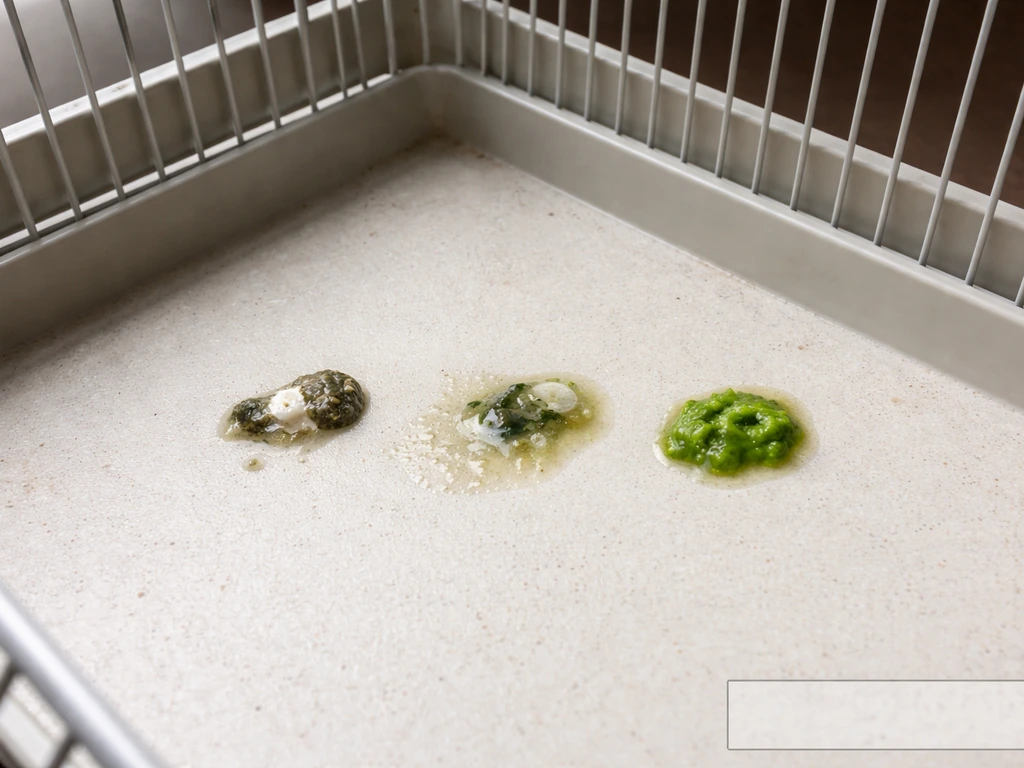
Look at the cage floor. Normal droppings have a dark solid portion, a white chalky part, and a small amount of clear liquid. Very watery droppings, bright green droppings, or droppings that are entirely liquid or absent can signal a problem. One or two off-droppings after a stressful event is usually not a crisis, but consistently abnormal droppings are worth a vet call.
Appetite and activity
Is your bird eating and drinking normally? Is it active, vocal, and engaged when it's awake? A bird that's hanging on the bars at night but eating enthusiastically and chattering during the day is very different from a bird that's quiet, picking at food, and sitting still most of the time.
Cage and environment troubleshooting
If your bird is otherwise healthy and just seems to prefer the bars, the cage setup is the first place to troubleshoot. If you notice your bird spending extra time in a corner or hanging on the bars, it can help to rule out pain, stress, or a poor perch fit the cage setup is the first place to troubleshoot. Run through each of these.
Perch type, size, and placement
Remove any perches that are all the same smooth dowel style. Birds do better with a variety of textures and diameters. Natural wood branches (like manzanita or java wood), rope perches, and textured perches all give the feet different exercise and grip. Avoid concrete perches entirely, as they cause more harm than good. Make sure you have at least one perch positioned at the highest point inside the cage. If the bars above the highest perch are still accessible and higher, your bird will choose the bars.
Perch stability
Gently test each perch. Does it wobble? Does it spin? Does it bounce when the bird lands? A perch that moves unpredictably is uncomfortable for sleeping. The bars don't move, which is exactly why an insecure perch loses to them every time.
Temperature
If the cage is near a heat vent, in direct sun during parts of the day, or in a warm room, your bird may be hanging near the top or sides to find cooler air. Most pet birds are comfortable in the 65 to 80 degree Fahrenheit range. Check whether the area near the cage feels noticeably warm.
Light cycle
Birds need around 10 to 12 hours of darkness each night to sleep properly. If your bird is in a room with the TV on, lights on late, or inconsistent darkness, it may be restless and trying different sleeping spots. A cage cover or a dedicated dark, quiet sleep space can make a big difference. Cockatiels in particular can startle badly in complete darkness (night frights), so a small night light in the room helps them orient if they wake suddenly.
Stress factors
New pets in the home, rearranged furniture, a move to a different room, loud noise at night, or a recent change in your schedule can all disrupt your bird's sleep routine. If the bar-hanging started after a change like this, the environment is the likely cause.
When bar-hanging might mean pain, injury, or illness
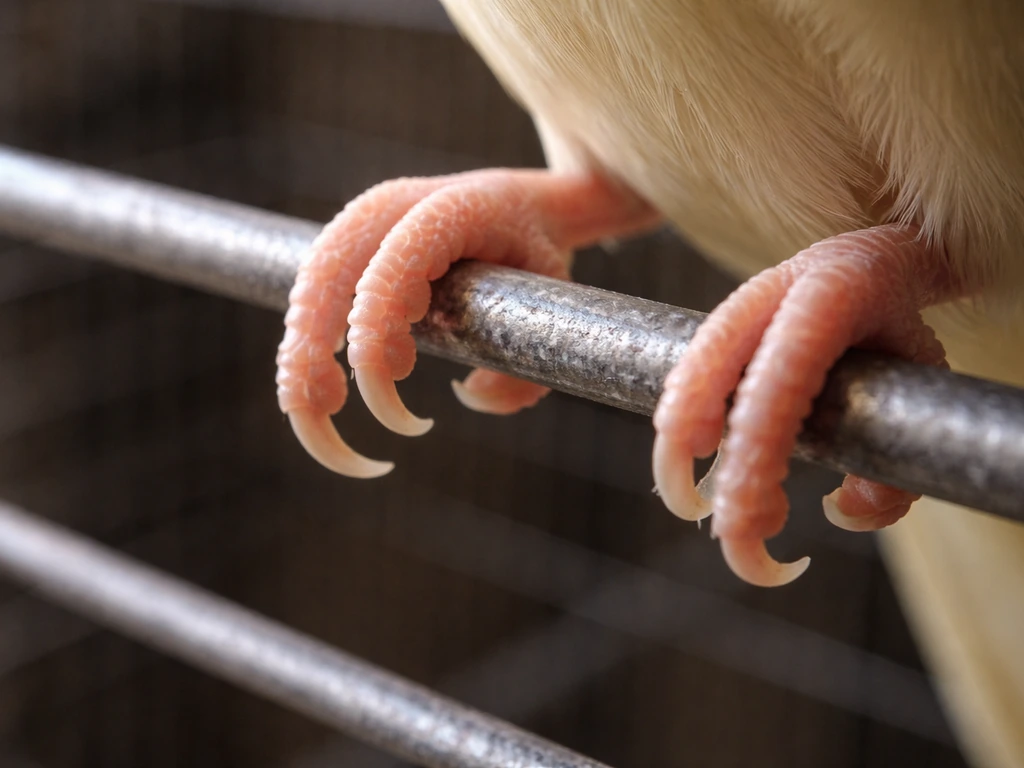
There are situations where hanging on the bars is a signal that something is wrong with how your bird feels physically. The key is looking at the feet and how the bird moves, not just the sleeping position.
Bumblefoot (pododermatitis) is a foot infection common in birds that have spent too long on hard, smooth, or poorly fitted perches. Signs include swelling of the foot pad, redness, visible sores, or a bird that seems reluctant to put weight on one foot. If the bottom of the foot looks thickened or irritated, that's bumblefoot territory and it needs a vet visit, not just a new perch.
Leg or joint injury is another possibility. If your bird is favoring one leg heavily, holding one foot up constantly (not just the normal sleep tuck), or gripping the bars asymmetrically, an injury may have changed how it can perch.
Respiratory discomfort is worth knowing about because birds with breathing difficulty often change their posture to make breathing easier. A bird that is stretching upward or hanging on the bars with its body extended might be trying to open up its airway. If you see this combined with any of the breathing red flags above, treat it as urgent.
For female birds, egg binding is a serious condition where an egg becomes stuck. Signs include a bird at the bottom of the cage, a swollen or straining abdomen, a tail that bobs while breathing, and general depression or closed eyes. This is a veterinary emergency.
What to do today, step by step
- Observe your bird for 2 to 3 minutes without disturbing it. Note its posture, breathing, and how it's gripping the bars. Is it relaxed, or does something look off?
- Check the tail for bobbing with each breath. Check for open-mouth breathing. If you see either, move to the vet contact section below right now.
- Look at the droppings on the cage floor and note whether they look normal.
- Check whether your bird eats and drinks when you offer food. A bird that ignores food or treats is more concerning than one that eats eagerly.
- Test every perch for stability. Wiggle each one. Replace or tighten any that move.
- Check perch placement. Make sure the highest perch is actually the highest point your bird can reach inside the cage.
- Evaluate perch variety. If all the perches are the same smooth wooden dowel, plan to replace at least one with a natural wood branch or rope perch of a different diameter.
- Check the room temperature and whether the cage is in direct sun or near a heat source.
- Confirm your bird is getting 10 to 12 hours of darkness. Cover the cage if needed or move it to a quieter room at night.
- Look at the bottoms of your bird's feet. Check for redness, swelling, or sores.
- If everything checks out and the behavior is isolated to nighttime roosting, monitor for a few days after improving the perch setup. If the bar-hanging continues for more than a week despite perch improvements, check in with an avian vet.
When to call an avian vet
Some signs mean you shouldn't wait. If you see any of the following, contact an avian vet today or go to an emergency avian clinic:
- Tail bobbing with every breath
- Open-mouth breathing at rest
- Audible clicking, wheezing, or squeaking while breathing
- Wings held away from the body with sleek feathers and panting (overheating emergency)
- Bird cannot hold itself on any surface, keeps slipping or falling
- Swollen, red, or sore-looking feet
- Bird found on the bottom of the cage and unable to return to a perch
- Female bird straining, tail bobbing, and abdomen appears swollen or full
- No eating or drinking for more than 24 hours
- Severe lethargy, bird won't respond to you, eyes mostly closed
When you call the vet, tell them the species and approximate age of your bird, how long the behavior has been happening, which symptoms you've observed (especially breathing, eating, and droppings), and any recent changes to the environment. The more specific you are, the faster they can help you decide whether it's an emergency visit or a scheduled appointment.
If your bird seems healthy overall but you're also noticing it spending time at the bottom of the cage or tucking into corners, those patterns can carry different meanings worth looking into separately. The position alone matters less than the full picture of how your bird looks, eats, breathes, and behaves throughout the day.
FAQ
How can I tell if my bird is choosing the cage bars on purpose versus being in pain?
Watch for consistency across the day. If your bird can perch normally when you approach, tucks one foot in the classic roost posture at night, and stays active with normal droppings, it is more likely a preference. Pain is more likely if it avoids weight on one foot, grips asymmetrically, or only hangs on the bars because it cannot hold steady on perches.
Is it normal for my bird to hang on the bars while sleeping if it still tucks one foot up?
Yes, that can be normal, especially for budgies, parakeets, cockatiels, and small songbirds. The key is that it looks comfortable (soft roosting fluff), has no breathing red flags (tail not bobbing, no open-mouth breathing), and is otherwise bright and eating normally during the day.
What perch size should I use so my bird does not prefer the bars?
For budgies and parakeets, aim for about a 3/8 inch perch diameter. The toes should wrap roughly three-quarters of the way around without the toenails touching underneath. If nails meet underneath, the perch is too thin, and if the bird stands flat-footed, it is likely too thick.
My bird only sleeps on the bars but seems fine, should I remove the bars or add more perches?
Usually add or adjust perches first. Keep at least one perch at the highest point inside the cage, add textured options (natural wood branches, rope, or other grip-friendly surfaces), and remove or replace perches that wobble. Removing the bars is not a practical fix and can stress the bird, especially at night.
How long should I observe before deciding to contact an avian vet?
Do a short, focused check for 2 to 3 minutes, then check again across a full routine (evening and waking). If you notice breathing issues, prolonged puffiness while awake, abnormal droppings over multiple days, or balance problems on perches, contact an avian vet promptly. If none of those are present and the bird is eating and active, you can troubleshoot the cage setup first.
Can the room temperature cause bar-sleeping?
Yes. Birds often move toward the top or sides of the cage to find cooler air. Confirm whether the cage area feels noticeably warm (for example near a vent or in direct sun). Many pet birds are comfortable around 65 to 80°F, so small location changes can help.
Does lighting or sleep schedule affect where my bird sleeps?
It can. Birds need about 10 to 12 hours of darkness. If the room has late TV light or inconsistent sleep, your bird may be restless and try different spots, including the bars. For cockatiels, a small night light can reduce startle-related night frights if they wake suddenly.
What droppings changes matter most when deciding if this is an emergency?
Watch for consistently watery droppings, very bright green droppings, or a complete absence of droppings. One off-spot after a stressful event is often not an emergency, but repeated abnormal patterns, especially combined with puffiness or breathing changes, should trigger an avian vet call.
My bird’s tail bobs when breathing, but it is still hanging on the bars. What should I do?
Treat tail bobbing with every breath and any open-mouth breathing at rest as urgent. Position changes can help birds breathe, so bar-hanging can be a sign of respiratory discomfort. Contact an avian vet or emergency avian clinic right away.
Could bumblefoot or a foot injury make my bird choose the bars?
Yes. Bumblefoot can cause swelling, redness, sores, or reluctance to put weight on one foot. A leg or joint injury can cause the bird to favor one leg, keep a foot up more than normal, or grip unevenly. If you suspect either, the right next step is a vet assessment, not just perch changes.
Is egg binding possible even if my hen is not hanging on the bars the whole time?
Egg binding is still possible. It is usually associated with signs like straining or a swollen abdomen, depression or closed eyes, and tail bobbing while breathing, and it is a veterinary emergency. If you see those signs at any time, do not wait for the sleeping position to improve.
What is the fastest cage adjustment to try if my bird keeps sliding or gripping poorly?
Gently test each perch for wobble, spinning, and bounce. Replace moving or unstable perches, diversify textures and diameters, and ensure at least one stable perch at the highest safe point. A stable perch gives the bird a safer roost option than fixed metal bars.
Next Articles
Why Is My Bird Making Weird Noises? Quick Triage Guide
Triage weird bird noises fast: spot normal calls vs breathing trouble, check stress and environment, know when to call a
Why Is My Bird Making a Clicking Noise? Causes and Next Steps
Learn why your bird clicks, how to spot normal vs respiratory red flags, and the immediate vet-ready next steps.
Why Do Guinea Pigs Chirp Like a Bird? Causes and Fixes
Learn why guinea pigs chirp like birds, how to read cues and body language, and when chirping signals pain or illness.